
How Do Cars Go So Fast?
Cars have played a major role in transforming modern society. This title explains how vehicles move through internal combustion engines, fuel, and driving power, while also touching on hydrogen and solar-powered cars.
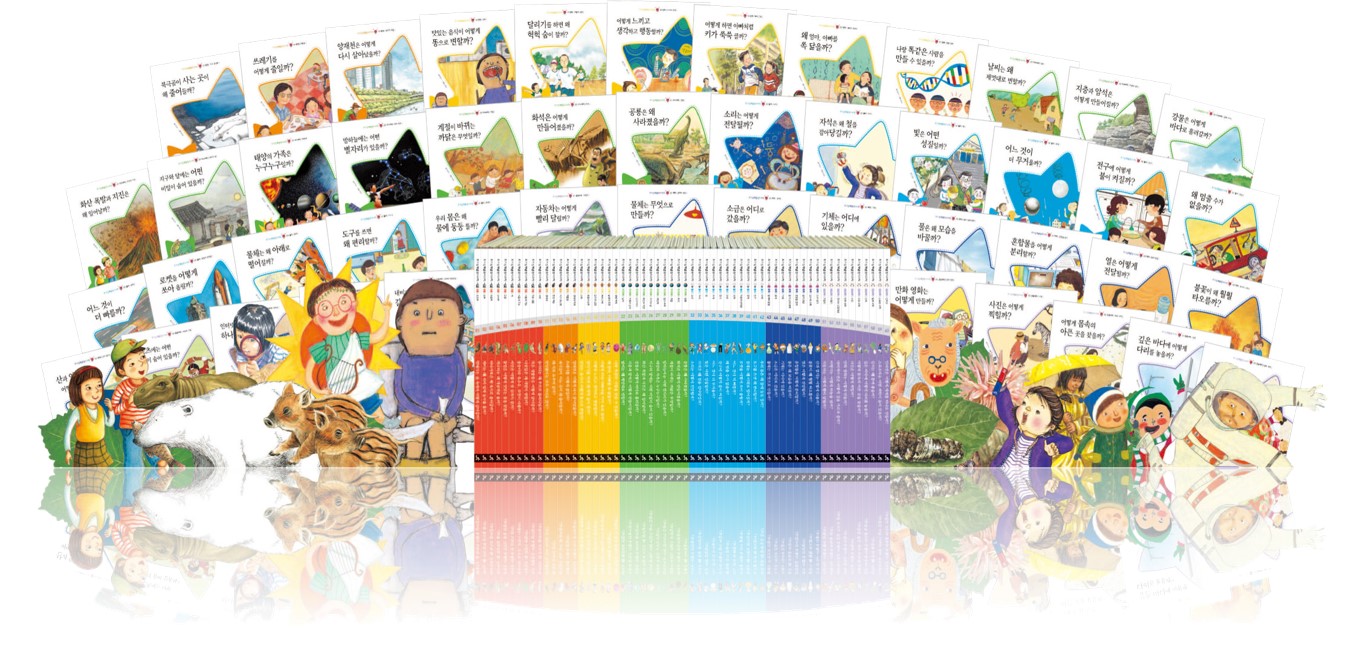
Science & Nature
An elementary science series that shows how scientific concepts and principles are used and discovered in daily life. Stories, realistic illustrations, experiments, observation, and making activities strengthen conceptual understanding.
Step 3
Review the books in this series and open available sample previews.
Cars have played a major role in transforming modern society. This title explains how vehicles move through internal combustion engines, fuel, and driving power, while also touching on hydrogen and solar-powered cars.

The science of flight can be difficult for young children, so this book introduces lift through the history and development of airplanes. Simple flight activities help children experience how invisible air has force and can lift even a heavy airplane.
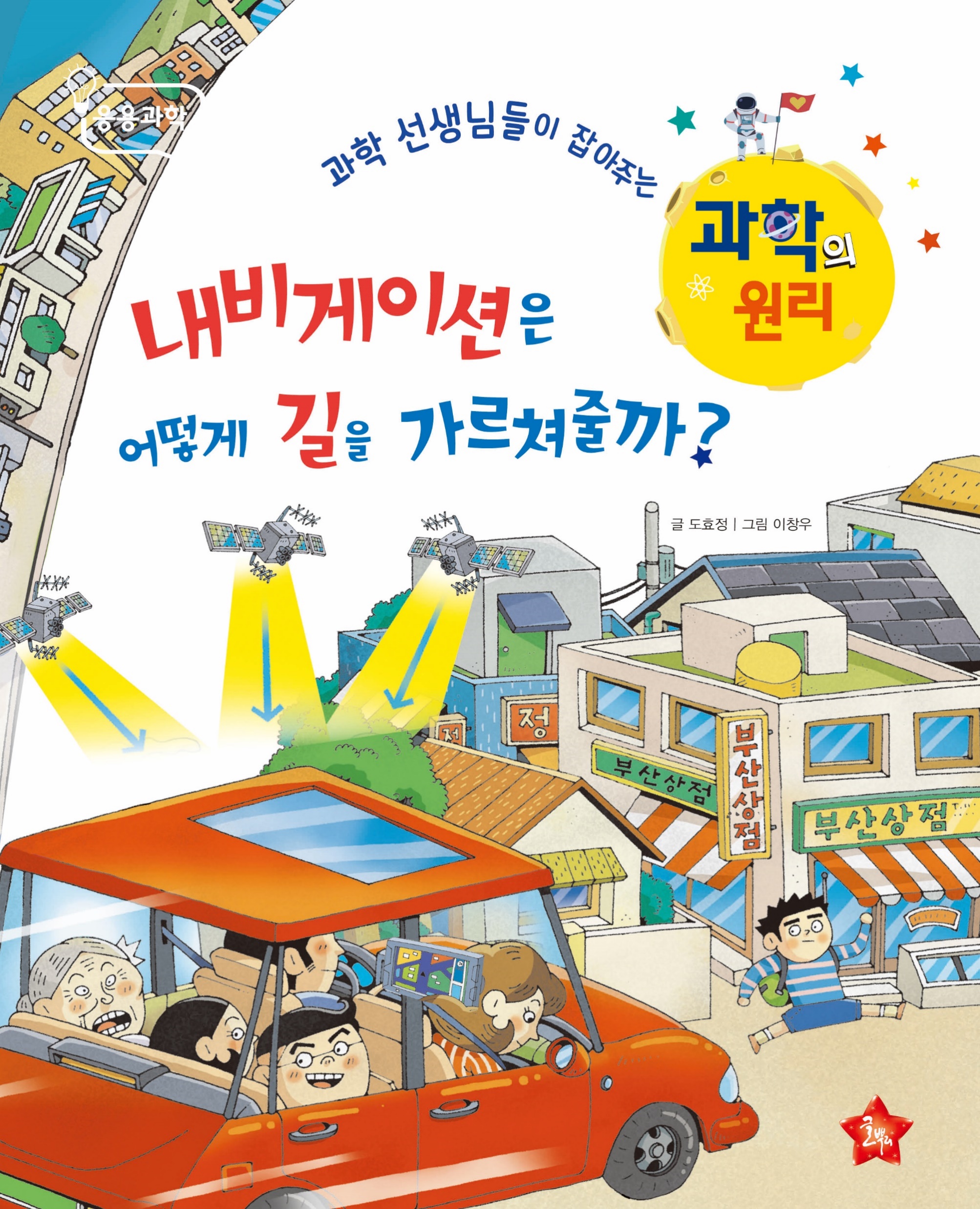
An accessible explanation of how navigation systems use GPS satellites to locate a car and guide it along a route. Young readers learn how satellite signals, triangulation, speed calculation, and digital maps work together.

Explores the science behind animation, including persistence of vision and the process of turning many images into moving scenes. It also shows that animated films are made through many steps and the work of many people.

Through the process of building bridges over deep seas, this book explains the materials, shapes, and structural principles that help bridges withstand natural forces. It also introduces different types of bridges and why safety and durability matter.
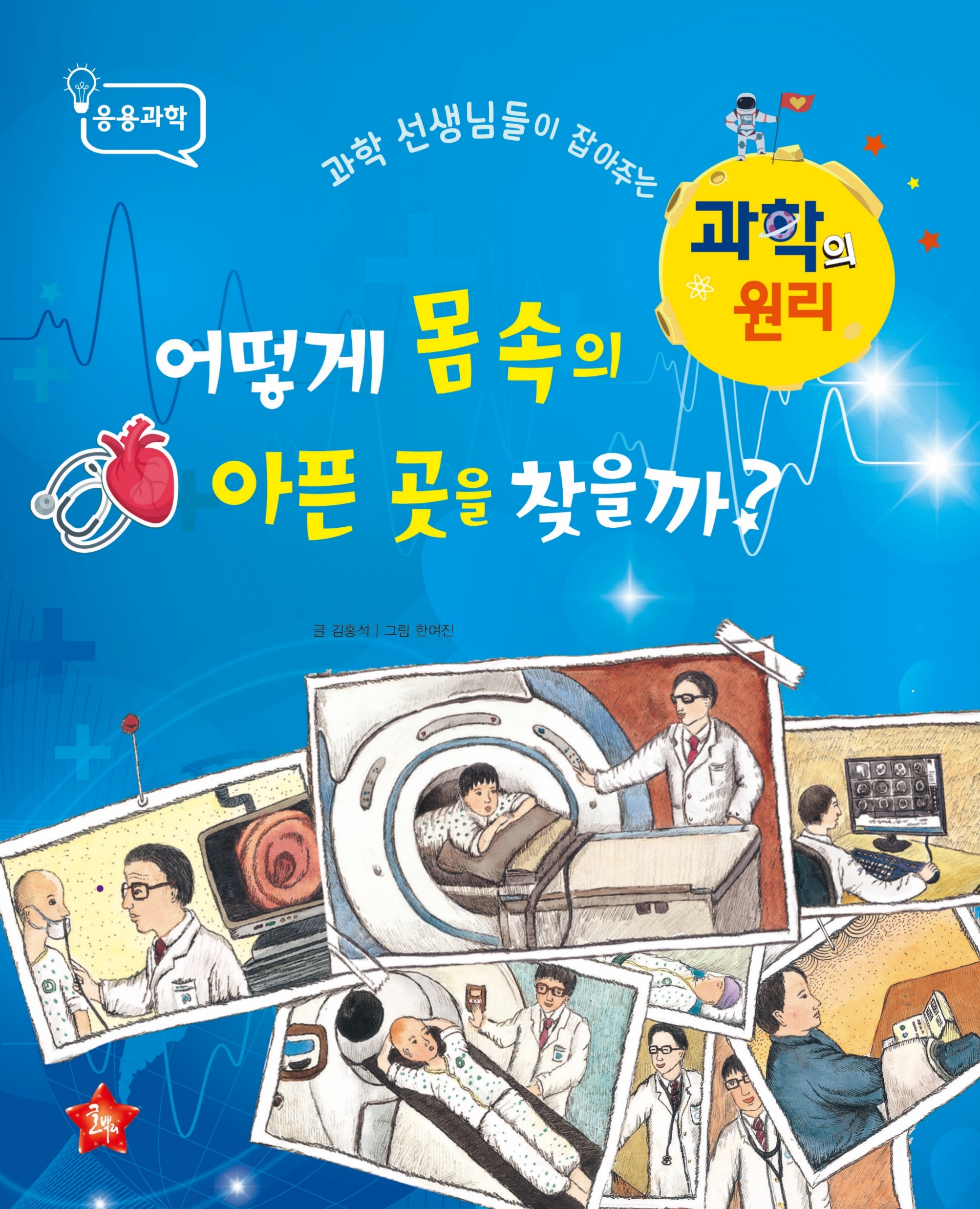
Introduces medical tools and machines that check the body, find problems, and help treat illness. By connecting hospital equipment with familiar tools from daily life, it helps children understand medical science more easily and feel less afraid of hospitals.

This title helps children understand the body through sports, showing why exercise should fit each person’s body, why regular practice matters, and what scientific principles are hidden in different sports.

Introduces kimchi as a traditional fermented food recognized for its taste and nutrition. Young readers learn about its history, types, benefits, preparation, and the science of fermentation, with connections to other fermented foods such as yogurt, cheese, wine, beer, and salted seafood.

Introduces the information age through communication technologies such as telegraphs, telephones, television, computers, and the internet. It encourages children to think about how the internet changes daily life and shapes the future.

Children are naturally curious about how the food they eat travels through the body and comes out as poop. The story follows food through the digestive organs, showing what each organ does along the way.

An accessible explanation of breathing and circulation through the lungs, heart, blood, and blood vessels. Young readers learn why they breathe hard when running and how the body's organs work together.

Presents birth, life, and heredity in an age-appropriate way. Young readers learn that life begins when an egg and sperm combine, and are encouraged to think about the dignity and preciousness of life.

An accessible explanation of the senses and nervous system: sight, smell, taste, hearing, touch, sensory organs, and the brain. Young readers learn how the body receives stimuli, sends signals to the cerebrum, and responds.

An accessible explanation of growth, bones, muscles, joints, and posture. Young readers learn how height changes, why healthy movement and good posture matter, and how the body grows.

An accessible science-and-ethics title on birth, cloning, the value of life, and human dignity, inviting children to consider both scientific progress and the questions it raises.

Explains weather through water and air, showing how clouds, rain, and wind form. Young readers learn why weather changes from sunny to rainy or windy.

Children explore why the Moon changes shape, how it moves around Earth, and how it affects tides and eclipses. The book connects curiosity about the Moon with a broader interest in Earth.

An accessible explanation of how rainwater, rivers, groundwater, and seawater continuously change Earth's surface. By looking at the upper, middle, and lower courses of a river, children learn how water flows, shapes land, and circulates.

An accessible explanation of why volcanoes erupt and earthquakes occur, introducing plate movement, Earth's interior, and the science behind natural disasters. It helps turn fear of volcanoes and earthquakes into curiosity and understanding.

Introduces constellations, from stars connected in the night sky to names drawn from myths, heroes, animals, and objects. It encourages children to look up, find constellations, and imagine the vast universe.
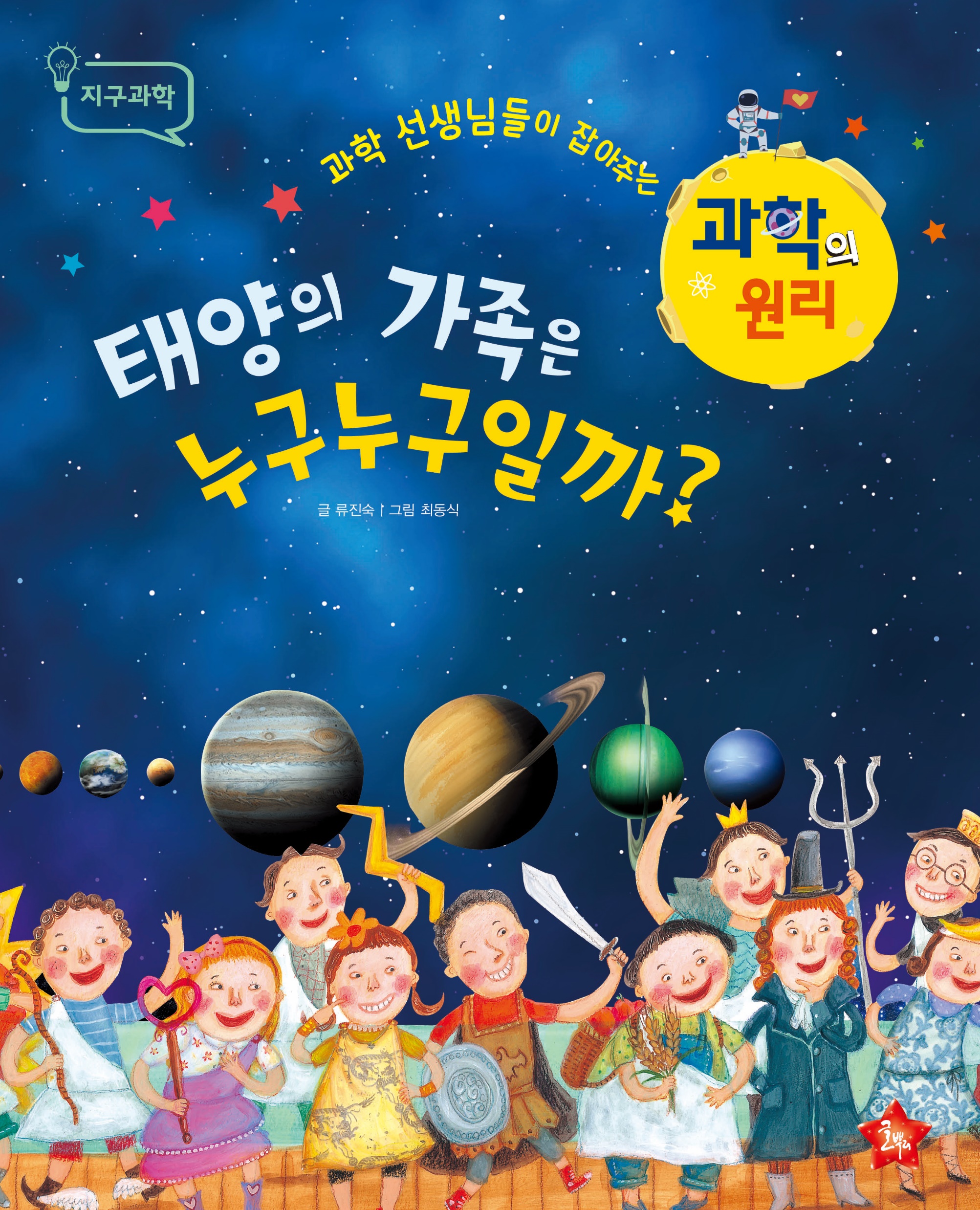
Earth is one of the eight planets orbiting the Sun, but it is special because it has water, air, and living things. The title opens up the solar system and invites children into the wider world of space.
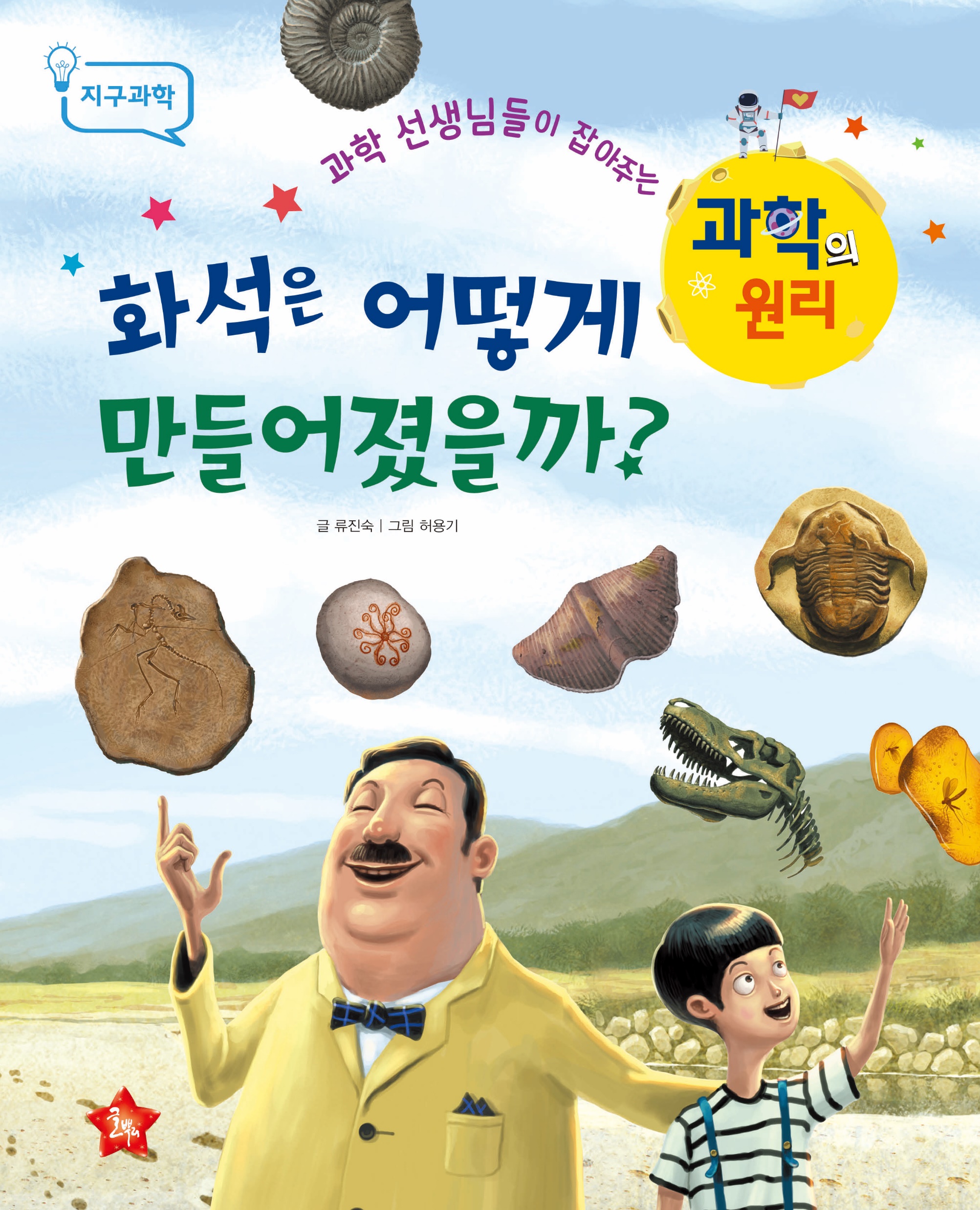
An accessible explanation of what fossils are and how they form in sedimentary rock. Young readers learn how fossils reveal ancient life, past environments, and even evidence that dinosaurs laid eggs.

An accessible explanation of why seasons change and how spring, summer, autumn, and winter affect nature and daily life. Children observe how the environment and people's activities change with each season.

Introduces dinosaurs, their long history from the Triassic to the Cretaceous period, and their extinction. Young readers learn how fossils revealed their existence and open a window into the mysterious world of dinosaurs.

An accessible explanation of sound as a wave that we perceive through our ears. With familiar examples and simple experiments, children explore the properties of sound and how waves carry energy.
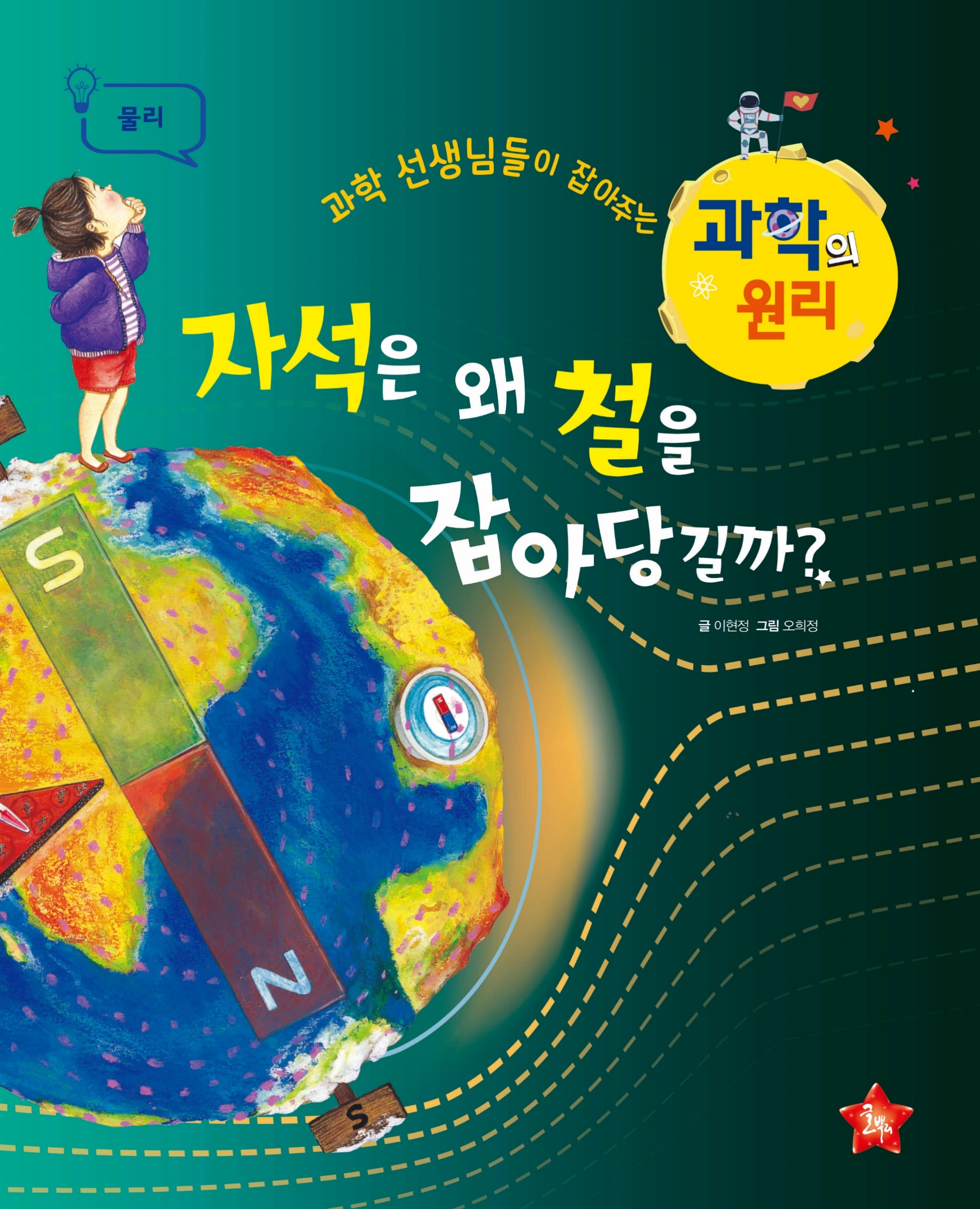
Shows how magnets appear in everyday life, from toys and pencil cases to appliances. Young readers learn magnetic principles by observing magnets, iron filings, and familiar objects around them.

An accessible explanation of electricity and circuits through visible changes such as lighting a bulb, spinning a motor, and making sound. Young readers learn that a circuit creates a path for electrons to move.

Explores core concepts of light, including how light helps us see objects and how its properties appear in everyday situations. Children connect light, eyes, and observation through accessible examples.

Introduces inertia and friction through everyday experiences and body movement. Children discover why moving objects tend to keep moving and how friction affects motion.

An accessible explanation of gravity by comparing life on Earth with conditions in space. Young readers learn why objects fall and how gravity affects the way we move and experience the world.
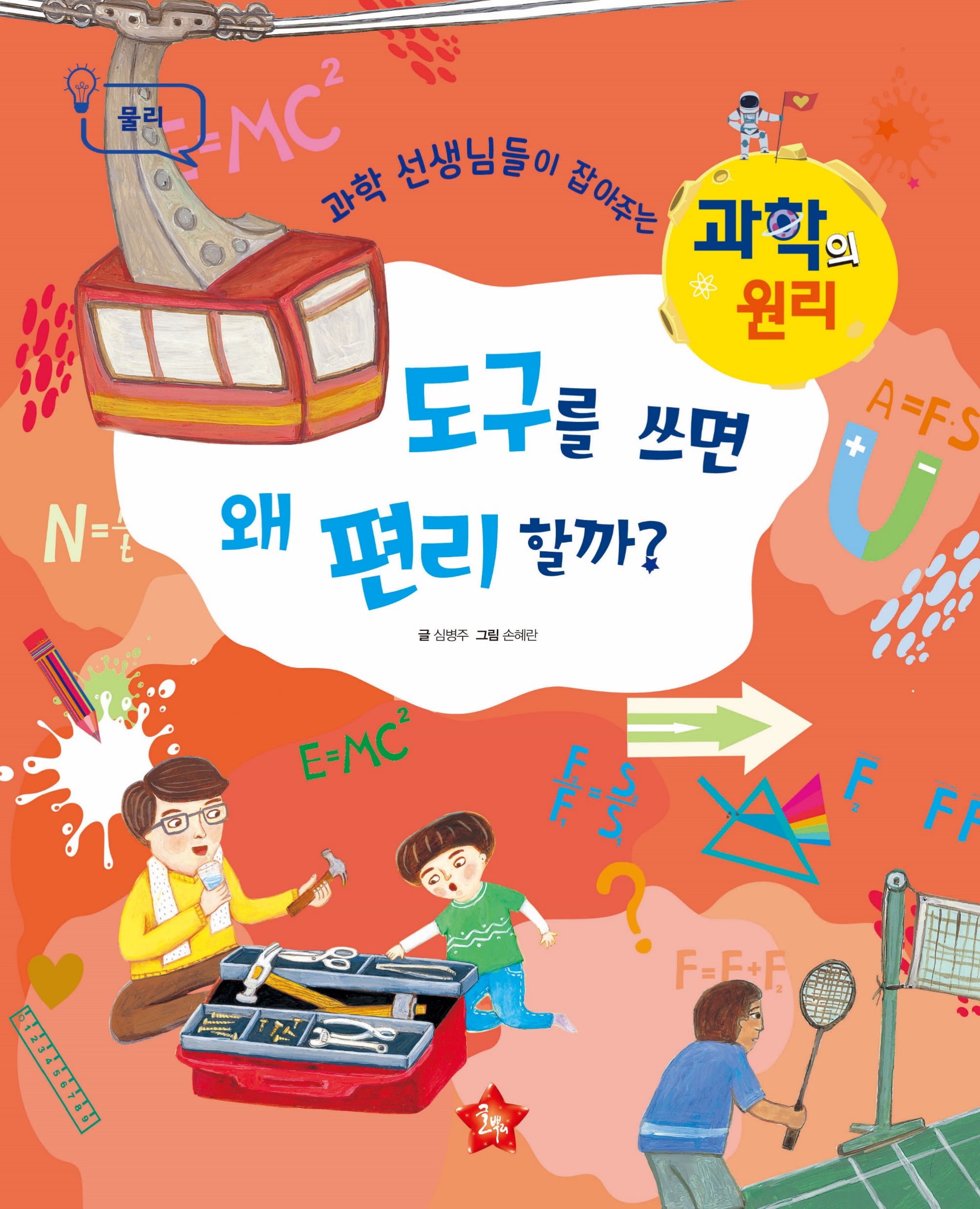
Explains simple machines and tools, including levers, pulleys, inclined planes, and wheels and axles. Young readers learn how tools help people move heavy objects or change materials with less effort.

Introduces objects and materials through familiar things around children. It also helps children classify matter as solids, liquids, and gases through simple observation and hands-on comparison.

An accessible explanation of solutions through salt dissolving in water. Young readers learn that some substances dissolve while others do not, and discover how these properties appear in everyday life.

An accessible explanation of what mixtures are and how they can be separated through engaging experiments. Examples such as air purifiers and water filters show children how science is used in daily life.

Introduces gases, which are often invisible but all around us. Young readers learn about oxygen, hydrogen, carbon dioxide, how gases are used in daily life, and why they are essential to life.

An accessible explanation of combustion and fire safety. Young readers learn that fire needs fuel, oxygen, and heat, and that removing one of these elements can put a fire out.

An accessible explanation of acids and bases through indicators and simple experiments. Young readers learn how different substances have different properties and discover scientific principles in everyday materials.