Growth & Development Stories

Growth & Development

Growth & Development Stories

A growth and development picture-book series covering six major areas of early childhood development through 60 everyday topics, including physical health, character, emotions, language, social skills, body safety, and age-appropriate body-awareness education.
Ages 1-5 60 books 5 sample previews

Step 3

Book List

Review the books in this series and open available sample previews.

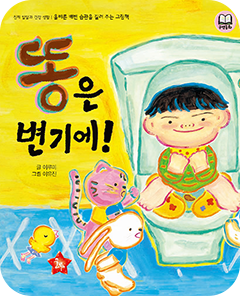
Poop Goes in the Toilet!

Book 1

Poop Goes in the Toilet!

Toilet training can affect a child's developing personality, so it is best not to scold children harshly after accidents. Praise and encouragement help children practice without pressure. - Professor Lee Kyung-sun, PhD in Early Childhood Education, Sungkyunkwan University -

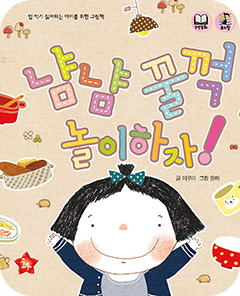
Yum-Yum, Gulp-Gulp, Let's Play!

Book 2

Yum-Yum, Gulp-Gulp, Let's Play!

Children enjoy eating more when they feel happy. Instead of forcing food, a relaxed attitude and praise can help children build healthy eating habits. - Professor Lee Kyung-sun, PhD in Early Childhood Education, Sungkyunkwan University -

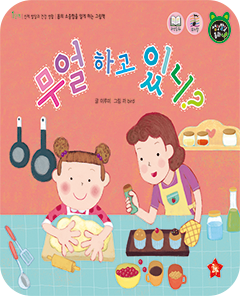
What Are You Doing?

Book 3

What Are You Doing?

First, observe whether your child shows interest in the body. When your child becomes curious about the body, sing songs about the body together and encourage them to use their senses and express what they feel. - Professor Kyung-sun Lee (PhD in Early Childhood Education, Sungkyunkwan University) -

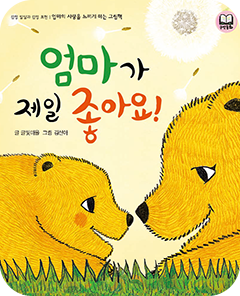
Mom Is My Favorite!

Book 4

Mom Is My Favorite!

It is perfectly natural for children to feel and express difficult emotions. This parent-guidance title encourages adults to accept those feelings with comfort, helping children learn healthier emotional expression. - Professor Lee Jung-hwa, PhD in Early Childhood Education, Indiana University -

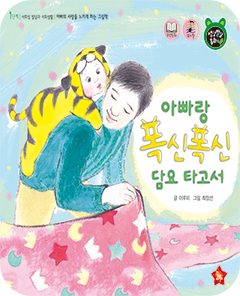
Riding on a Fluffy Blanket with Dad

Book 5

Riding on a Fluffy Blanket with Dad

Children have different expectations of mothers and fathers during play, and they often especially enjoy interacting with fathers. Play with Dad helps children develop independence, problem-solving ability, and a sense of accomplishment. Even if you are not confident about play, engage actively with your child. To your child, Dad will be remembered as the best playmate. - Professor Kyung-sun Lee (PhD in Early Childhood Education, Sungkyunkwan University) -

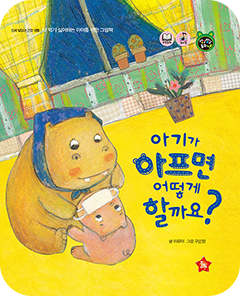
What Should We Do When Baby Is Sick?

Book 6

What Should We Do When Baby Is Sick?

If a child refuses medicine, do not force it. Find the reason and help the child accept medicine, while encouraging the child to want to get better. - Professor Lee Kyung-sun, PhD in Early Childhood Education, Sungkyunkwan University -

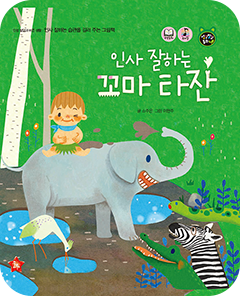
Little Tarzan Says Hello

Book 7

Little Tarzan Says Hello

Greeting politely is one of the most basic daily habits. Since most basic habits begin at home, parents' modeling is especially important. - Professor Lee Jung-hwa, PhD in Early Childhood Education, Indiana University -

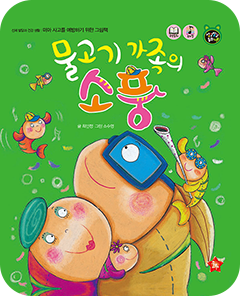
The Fish Family's Picnic

Book 8

The Fish Family's Picnic

Help children remember their parents' names and phone numbers, and repeatedly teach them not to follow strangers. Above all, never leave a child alone, even briefly, when going out together. - Professor Lee Soo-ryun, PhD in Early Childhood Education, Sungkyunkwan University -

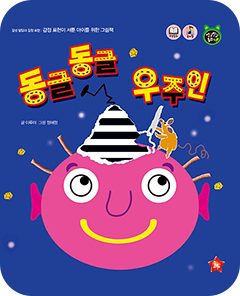
The Round Little Astronaut

Book 9

The Round Little Astronaut

Children who understand and express emotions well tend to play well with friends and become more socially capable. Encourage children to speak honestly about their feelings and acknowledge those feelings. - Professor Lee Kyung-sun, PhD in Early Childhood Education, Sungkyunkwan University -

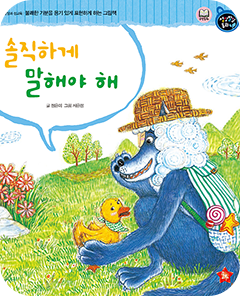
Don't Throw a Tantrum, Use Your Words

Book 10

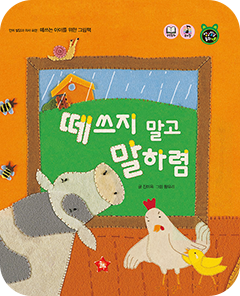
Don't Throw a Tantrum, Use Your Words

Help children understand that crying is not an appropriate way to get what they want. If adults give in every time because it is easier, children may cry whenever they want something. Show interest when they express their needs in words. - Professor Lee Jung-hwa, PhD in Early Childhood Education, Indiana University -

The Grubby Little One Takes a Bath

Book 11

The Grubby Little One Takes a Bath

For children, washing should feel enjoyable above all. Parents can join in and help routines such as washing faces and bathing become pleasant experiences. - Professor Lee Kyung-sun, PhD in Early Childhood Education, Sungkyunkwan University -

Here Come the Germs!

Book 12

Here Come the Germs!

Basic daily habits need repeated guidance until they become natural. Break cleanliness routines into small steps and model them clearly. Parents' own example is also very helpful. - Professor Lee Kyung-sun, PhD in Early Childhood Education, Sungkyunkwan University -

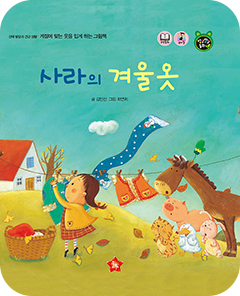
Sarah's Winter Clothes

Book 13

Sarah's Winter Clothes

A child's stubbornness can be a natural sign of autonomy and initiative. Wait for the child to judge and decide independently, and use natural consequences to help the child understand the result. - Professor Lee Kyung-sun, PhD in Early Childhood Education, Sungkyunkwan University -

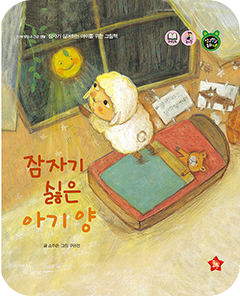
The Little Lamb Who Didn't Want to Sleep

Book 14

The Little Lamb Who Didn't Want to Sleep

For sleep, quality matters more than quantity. Set a regular bedtime and create a comfortable sleep environment so children can rest deeply. - Professor Lee Kyung-sun, PhD in Early Childhood Education, Sungkyunkwan University -

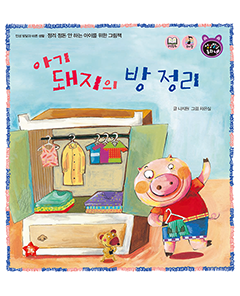
The Little Pig Tidies Up His Room

Book 15

The Little Pig Tidies Up His Room

This story supports the development of tidying habits. It encourages caregivers not to clean up for children, but to set cleanup rules together and provide storage suited to a child's size so children can take part in organizing their own space.

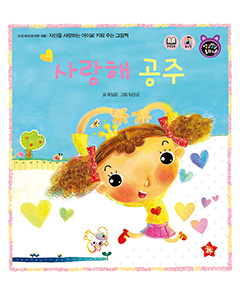
I Love You, Princess

Book 16

I Love You, Princess

Actively tell children that they are loved, and show consideration and respect for others in everyday life. - Professor Lee Jung-hwa, PhD in Early Childhood Education, Indiana University -

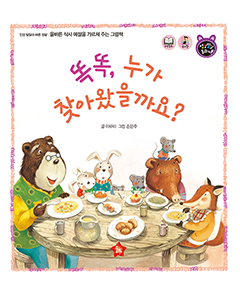
Knock, Knock, Who's Here?

Book 17

Knock, Knock, Who's Here?

Help children feel that mealtime is something the family enjoys together. Rather than nagging at the table, guide repeatedly with affection and patience. - Professor Lee Jung-hwa, PhD in Early Childhood Education, Indiana University -

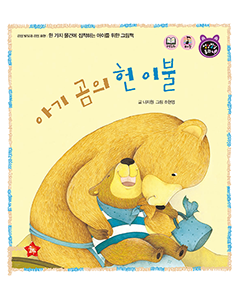
Baby Bear's Old Blanket

Book 18

Baby Bear's Old Blanket

Do not forcibly take away a child's attachment object. Respect the child's feelings and opinions about it, and help the child fully feel parental love. - Professor Lee Kyung-sun, PhD in Early Childhood Education, Sungkyunkwan University -

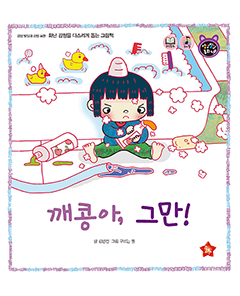
Kkaekong, Stop!

Book 19

Kkaekong, Stop!

When children throw tantrums or shout, adults need the patience and consistency not to give in. Help the child realize, through calm responses, that such behavior does not achieve the desired result. - Professor Lee Kyung-sun, PhD in Early Childhood Education, Sungkyunkwan University -

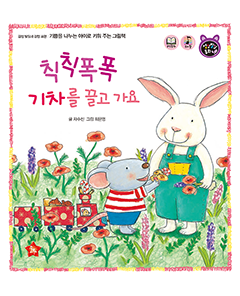
Chugga-Chugga, Pulling the Train Along

Book 20

Chugga-Chugga, Pulling the Train Along

A child's willingness to give to others plays an important role in maintaining friendships. Praise generous behavior so the child learns that yielding and caring for friends can be joyful. - Professor Lee Kyung-sun, PhD in Early Childhood Education, Sungkyunkwan University -

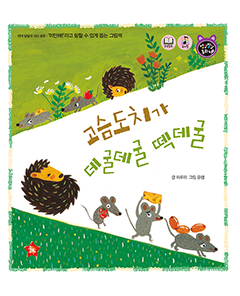
The Hedgehog Rolls and Tumbles

Book 21

The Hedgehog Rolls and Tumbles

Let children see adults forgiving and encouraging one another. Explain what was wrong, and when a child says sorry, be sure to give a warm hug. - Professor Lee Jung-hwa, PhD in Early Childhood Education, Indiana University -

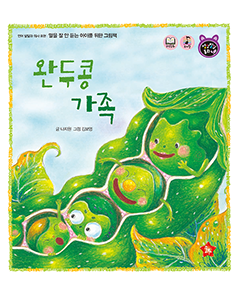
The Pea Family

Book 22

The Pea Family

Always consider a child's mood and play situation. Instead of commands framed as prohibitions, it is better to give a specific direction or suggestion for what the child can do. - Professor Lee Jung-hwa, PhD in Early Childhood Education, Indiana University -

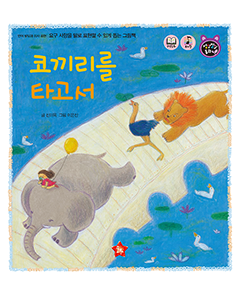
Riding on an Elephant

Book 23

Riding on an Elephant

This growth story supports early language expression. It encourages caregivers to praise children when they express their needs in words, helping them gain confidence in communication.

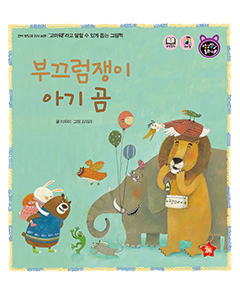
The Shy Baby Bear

Book 24

The Shy Baby Bear

Using polite language should become a habit. Provide many everyday opportunities for children to say "thank you" even for small things. - Professor Lee Jung-hwa, PhD in Early Childhood Education, Indiana University -

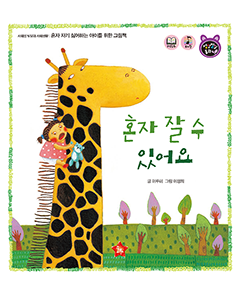
I Can Sleep by Myself

Book 25

I Can Sleep by Myself

This story supports children who are learning to sleep independently. It emphasizes trust, reassurance, and helping children feel secure when separated from parents for a short time.

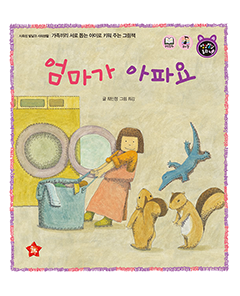
Mom Is Sick

Book 26

Mom Is Sick

Praise a child's wish to help Mom, then gently talk about what could be improved. Pretend play and simple chores with Mom can help children experience household work. - Professor Jeon Yun-sook, PhD in Early Childhood Education, Sungkyunkwan University -

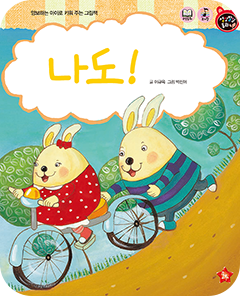
Me Too!

Book 27

Me Too!

Give plenty of praise when children show the positive behavior of yielding to others. Parents can also set an example by yielding first. - Professor Jeon Yun-sook, PhD in Early Childhood Education, Sungkyunkwan University -

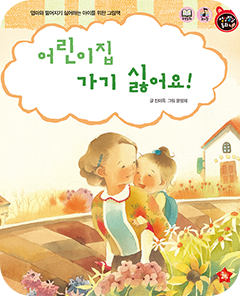
I Don't Want to Go to Daycare!

Book 28

I Don't Want to Go to Daycare!

Tell children in advance what daycare life will be like. Help build confidence by giving them chances to proudly show at home what they learned at daycare. - Professor Jeon Yun-sook, PhD in Early Childhood Education, Sungkyunkwan University -

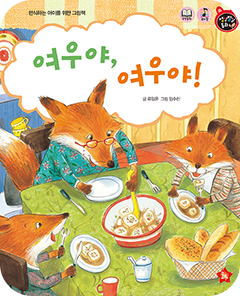
Fox, Fox!

Book 29

Fox, Fox!

Rather than nagging children to eat a balanced diet, make mealtime enjoyable and comfortable. Serving mild food in suitable portions on a favorite plate can help children enjoy eating. - Professor Lee Kyung-sun, PhD in Early Childhood Education, Sungkyunkwan University -

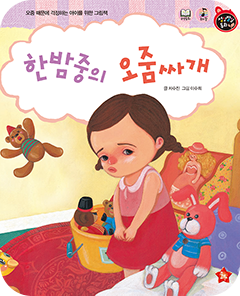
The Midnight Bed-Wetter

Book 30

The Midnight Bed-Wetter

Children who wet the bed can easily become timid or withdrawn. Rather than embarrassing or punishing them, praise them when they succeed. Adjusting evening food and drink can also help. - Professor Lee Kyung-sun, PhD in Early Childhood Education, Sungkyunkwan University -

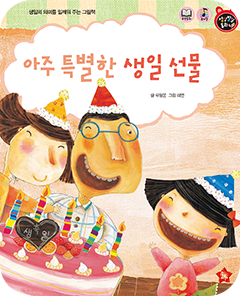
A Very Special Birthday Gift

Book 31

A Very Special Birthday Gift

When children grow up seeing family members express gratitude to one another, they can naturally learn to be thankful to their parents. - Professor Lee Jung-hwa, PhD in Early Childhood Education, Indiana University -

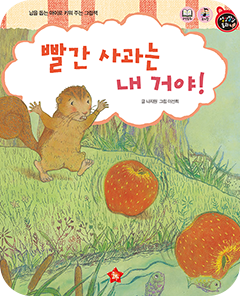
The Red Apple Is Mine!

Book 32

The Red Apple Is Mine!

Help children express gratitude to others in a variety of ways beyond words. This helps them better understand situations that call for thanks. - Professor Lee Jung-hwa, PhD in Early Childhood Education, Indiana University -

Why Are You Crying?

Book 33

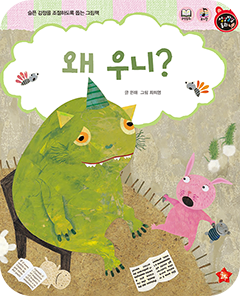
Why Are You Crying?

Listen carefully to children's emotional expressions and acknowledge them. A single empathetic word can give children emotional relief. - Professor Lee Kyung-sun, PhD in Early Childhood Education, Sungkyunkwan University -

No, No, Gaegoli

Book 34

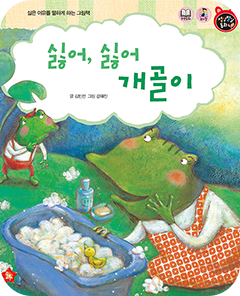
No, No, Gaegoli

Encourage children to honestly explain why they dislike something. Show that you understand what they want, then patiently and lovingly persuade them about what you would like them to do. - Professor Lee Jung-hwa, PhD in Early Childhood Education, Indiana University -

The Crescent Moon Fell!

Book 35

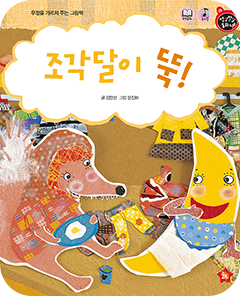
The Crescent Moon Fell!

Parents should avoid excessive overprotection. Help children broaden their understanding of others through play that involves sharing with friends and empathizing with other people's feelings. - Professor Jeon Yun-sook, PhD in Early Childhood Education, Sungkyunkwan University -

Waddling Kami and Soaring Lira

Book 36

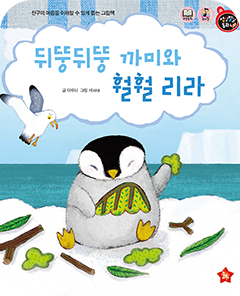
Waddling Kami and Soaring Lira

When children show respect for others, praise them generously. When behavior is inappropriate, explain at their level why they should not act that way. - Professor Jeon Yun-sook, PhD in Early Childhood Education, Sungkyunkwan University -

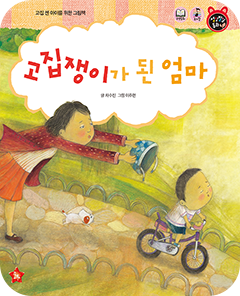
Mom Turns Stubborn

Book 37

Mom Turns Stubborn

Children who throw tantrums need logical persuasion and consistent follow-through from parents. When they manage to wait or endure well, encourage them with generous praise. - Professor Jeon Yun-sook, PhD in Early Childhood Education, Sungkyunkwan University -

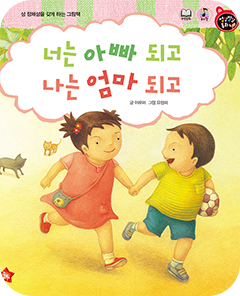
You Be the Dad, I'll Be the Mom

Book 38

You Be the Dad, I'll Be the Mom

If a child is used to playing with friends of another gender, acknowledge those friendships rather than abruptly separating the children, while also creating opportunities to play with friends of the same gender. - Professor Jeon Yun-sook, PhD in Early Childhood Education, Sungkyunkwan University -

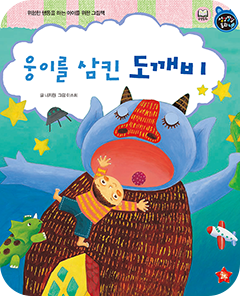
The Goblin Who Swallowed Woongi

Book 39

The Goblin Who Swallowed Woongi

This growth story supports consistent guidance around allowed and unacceptable behavior. It helps caregivers communicate clear boundaries so children understand which actions are never acceptable.

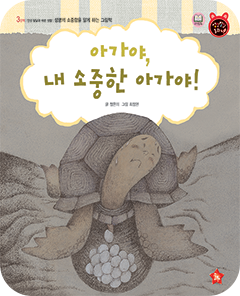
My Baby, My Precious Baby!

Book 40

My Baby, My Precious Baby!

Help children develop compassion for other living beings. The experience of caring for a pet together with parents can help them build respect for life. - Professor Jung-hwa Lee (PhD in Early Childhood Education, Indiana University) -

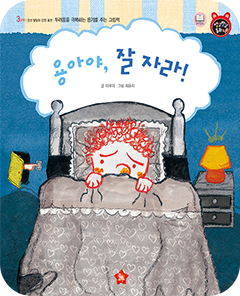
Sleep Well, Little Dragon!

Book 41

Sleep Well, Little Dragon!

Encountering peers who are not afraid of the dark through picture books, videos, or similar media can help children overcome their fear of darkness. - Professor Jung-hwa Lee (PhD in Early Childhood Education, Indiana University) -

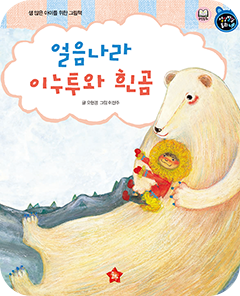
Inutu and the Polar Bear

Book 42

Inutu and the Polar Bear

A child's jealousy can be one way of expressing the desire to be recognized and loved. Instead of comparing or criticizing siblings, create many one-on-one moments together. - Professor Lee Kyung-sun, PhD in Early Childhood Education, Sungkyunkwan University -

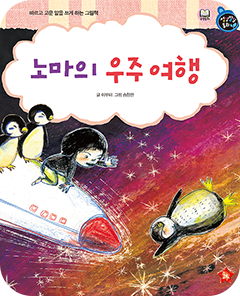
Noma's Space Journey

Book 43

Noma's Space Journey

Help children understand that using bad language can hurt other people's feelings, and teach them appropriate ways to use words. - Professor Lee Jung-hwa, PhD in Early Childhood Education, Indiana University -

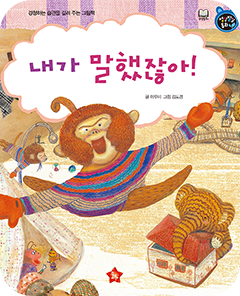
I Told You!

Book 44

I Told You!

Children need good listening models from an early age. Make eye contact, listen carefully to the end, and then respond to what the child has said. - Professor Lee Jung-hwa, PhD in Early Childhood Education, Indiana University -

My Needy Little Sibling

Book 45

My Needy Little Sibling

Show plenty of affection so children feel sure they are still loved. Caring for a younger sibling together can also help them learn appropriate roles as an older brother or sister. - Professor Jeon Yun-sook, PhD in Early Childhood Education, Sungkyunkwan University -

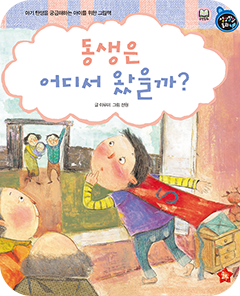
Where Did the Baby Come From?

Book 46

Where Did the Baby Come From?

When children ask about a baby's birth, explain the real process simply and warmly. Be sure to tell them that the birth of a baby is a happy and blessed process. - Professor Jeon Yun-sook, PhD in Early Childhood Education, Sungkyunkwan University -

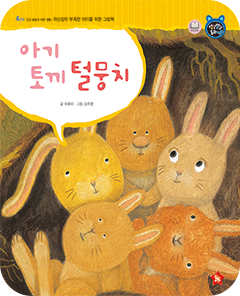
Fluffy, the Baby Rabbit

Book 47

Fluffy, the Baby Rabbit

Remember to praise children specifically, even for very small things. This helps children see themselves as valuable and grow in confidence. - Professor Jung-hwa Lee (PhD in Early Childhood Education, Indiana University) -

Kkuti Does as He Pleases

Book 48

Kkuti Does as He Pleases

Provide a variety of toys and activities that can hold children's interest. It is important to begin with activities that can be completed in a short time, then gradually increase how long children stay engaged. - Professor Jung-hwa Lee (PhD in Early Childhood Education, Indiana University) -

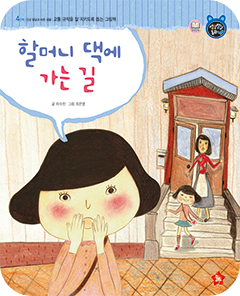
On the Way to Grandma's House

Book 49

On the Way to Grandma's House

Teach traffic rules repeatedly until following them becomes a habit. Rather than scolding or nagging when children do not follow the rules, it is better to show attention and praise when they do. - Professor Kyung-sun Lee (PhD in Early Childhood Education, Sungkyunkwan University) -

The Clumsy Youngest Bear

Book 50

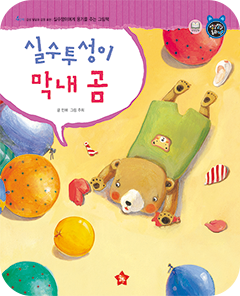
The Clumsy Youngest Bear

When children make mistakes, listen to their story before getting angry or scolding them. Find out why they acted that way, and help them think for themselves about what they should do next time. - Professor Kyung-sun Lee (PhD in Early Childhood Education, Sungkyunkwan University) -

The Princess's Flower Garden

Book 51

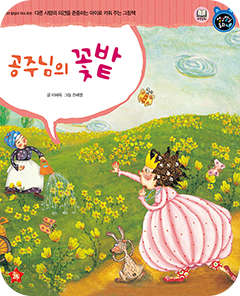
The Princess's Flower Garden

When children act as they please, it can help to guide them toward self-control. Give them a responsible leadership role so they can practice patience and self-regulation. - Professor Lee Kyung-sun, PhD in Early Childhood Education, Sungkyunkwan University -

Precious Friends Who Will One Day Become Moms and Dads

Book 52

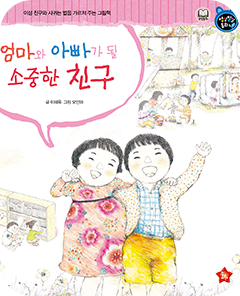
Precious Friends Who Will One Day Become Moms and Dads

Teach children that inappropriate body-focused play can cause serious harm, and help girls learn to clearly say, "No." - Professor Jeon Yun-sook, PhD in Early Childhood Education, Sungkyunkwan University -

Late for Kindergarten Again

Book 53

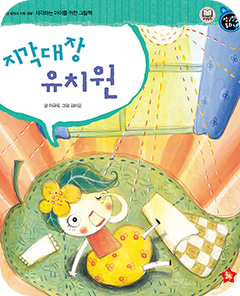
Late for Kindergarten Again

This story supports regular daily routines and a positive attitude toward kindergarten. It helps children look forward to going to school and build steady habits around daily life.

We Need to Tell the Truth

Book 54

We Need to Tell the Truth

Above all, respond warmly to a child's hurt and help the child feel emotionally secure. If there are signs of difficulty, seek help promptly from a child psychiatrist or mental-health professional. - Professor Jeon Yun-sook, PhD in Early Childhood Education, Sungkyunkwan University -

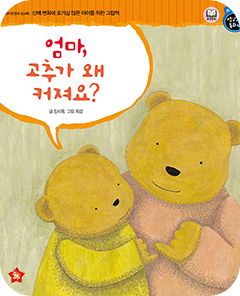
Mom, Why Does My Private Part Get Bigger?

Book 55

Mom, Why Does My Private Part Get Bigger?

When a child touches their private parts, respond calmly. If it becomes habitual, explain gently without shaming the child, and teach that private parts should be respected while also explaining natural body responses. - Professor Jeon Yun-sook, PhD in Early Childhood Education, Sungkyunkwan University -

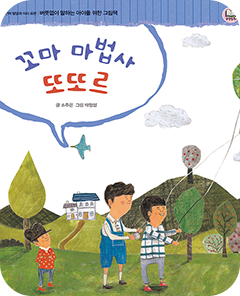
Ttottor, the Little Wizard

Book 56

Ttottor, the Little Wizard

Guide children to use respectful language when speaking to adults. Also help them observe the listener's attitude and facial expression so they can speak with awareness of the other person's feelings. - Professor Lee Jung-hwa, PhD in Early Childhood Education, Indiana University -

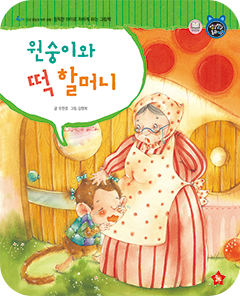
The Monkey and the Rice-Cake Grandma

Book 57

The Monkey and the Rice-Cake Grandma

When a child tells an obvious lie, respond without giving it too much attention, and make everyday conversation with parents feel comfortable. It is important to create an environment where children can speak honestly and at ease about anything. - Professor Jung-hwa Lee (PhD in Early Childhood Education, Indiana University) -

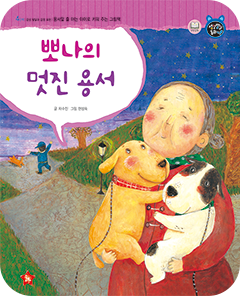
Ppona's Beautiful Forgiveness

Book 58

Ppona's Beautiful Forgiveness

When conflict arises, do not force reconciliation. Through conversation, help children understand both their own position and the other person's, so they can reconcile voluntarily. - Professor Kyung-sun Lee (PhD in Early Childhood Education, Sungkyunkwan University) -

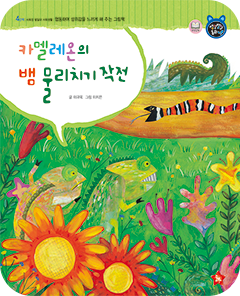
The Chameleons' Plan to Drive Away the Snake

Book 59

The Chameleons' Plan to Drive Away the Snake

Let children play with younger children so they can build confidence. Once they become used to that setting and gain confidence, playing with peers will become much easier. - Professor Yun-sook Jeon (PhD in Early Childhood Education, Sungkyunkwan University) -

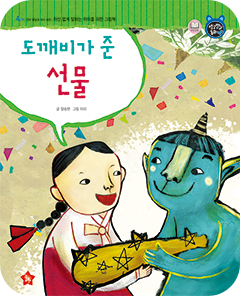
The Gift from the Dokkaebi

Book 60

The Gift from the Dokkaebi

Even if a child's voice is quiet, it is important to help them build the courage and confidence to express themselves as they are. Rather than trying to correct a quiet voice, accept the content or behavior the child expresses, and continue to praise and encourage them. - Professor Jung-hwa Lee (PhD in Early Childhood Education, Indiana University) -