Reimagined Classic Tales

Classic Tales Reimagined

Reimagined Classic Tales

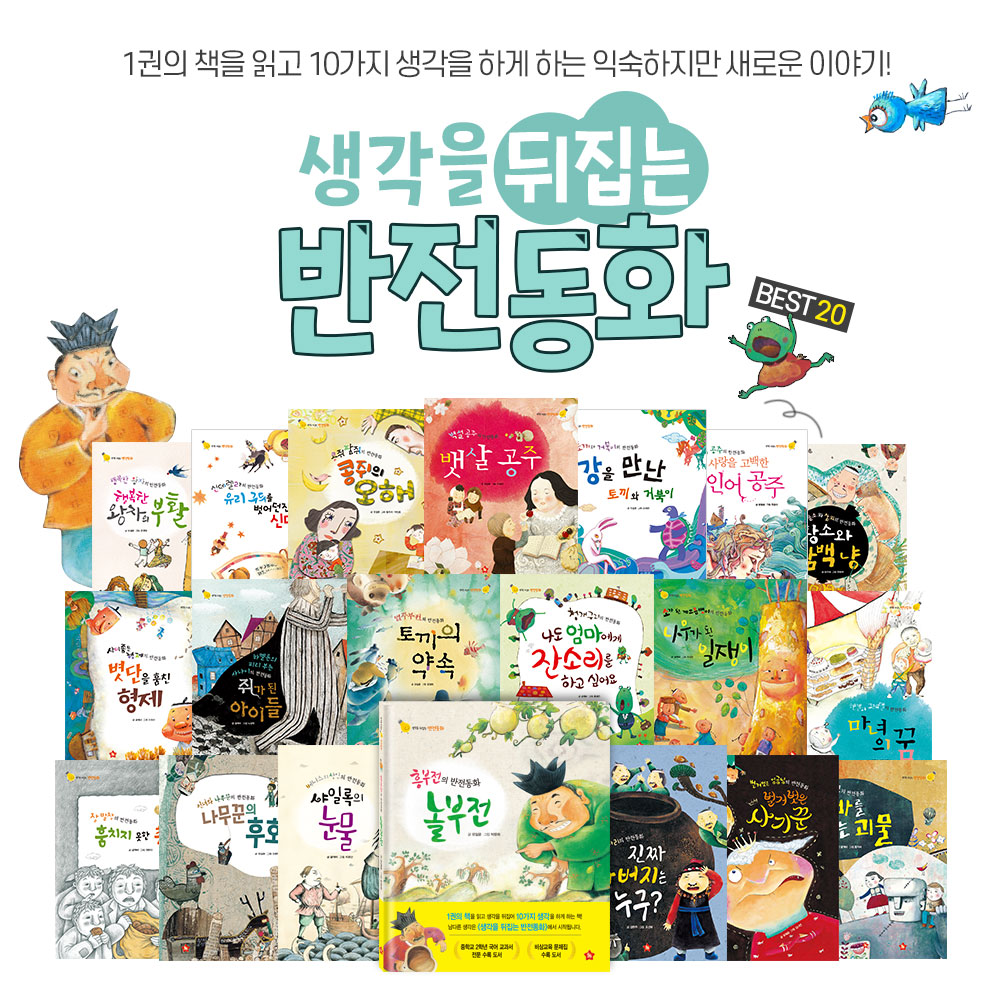
A thinking and writing series that invites children to reread familiar world classics and traditional tales from new perspectives. Original-story context, reinterpretation, and discussion questions develop critical thinking and expression.

Ages 5-12 34 books 3 sample previews

Step 3

Book List

Review the books in this series and open available sample previews.

Snow White Reimagined: The Chubby Princess

Book 1

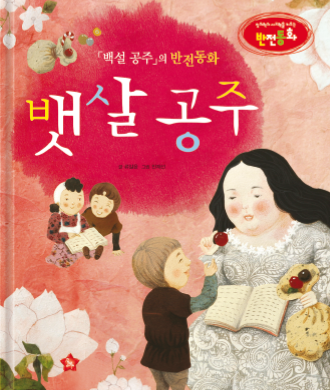
Snow White Reimagined: The Chubby Princess

What if Snow White were not beautiful? If Snow White were not beautiful, would the prince still have married her? This picture book turns the familiar story of Snow White on its head and invites children to think about what true beauty means. Moving beyond fixed standards of appearance or goodness, it helps children view a story from an original perspective and develop their own ideas.

Cinderella Reimagined: Cinderella the Sorceress

Book 2

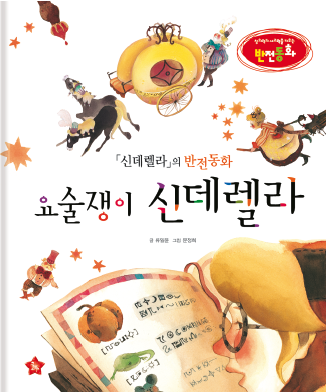
Cinderella Reimagined: Cinderella the Sorceress

Is Cinderella the ideal woman for the twenty-first century? What if Cinderella found her own dream without the prince's help? This picture book reconsiders the story of Cinderella waiting for a prince and encourages children to think about the importance of pursuing dreams and shaping one's own life. By reading the original tale critically, children can discuss an independent attitude toward life and more thoughtful images of women.

The Little Mermaid Reimagined: The Mermaid Who Confessed Her Love

Book 3

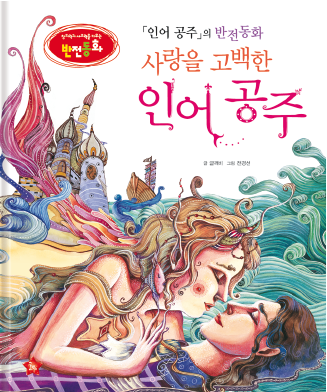
The Little Mermaid Reimagined: The Mermaid Who Confessed Her Love

Is love that only sacrifices oneself truly right? What if the Little Mermaid had confessed her love to the prince? This picture book invites children to rethink the Little Mermaid's self-sacrifice for love. It opens conversation about what love is, whether love always requires sacrifice, and why it matters to express one's feelings actively and honestly.

A Twist on The Happy Prince: The Happy Prince Returns

Book 4

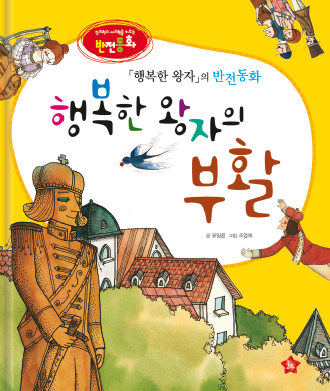
A Twist on The Happy Prince: The Happy Prince Returns

Does having more make someone happier? Is there a way to give something back to the prince who gave everything away? Through the Happy Prince's generosity, this picture book encourages children to think about what they can give to people in need. It helps them realize that helping others does not require expensive things and invites them to discover creative ways to share what they have.

A Twist on The Emperor's New Clothes: The Naked Trickster

Book 5

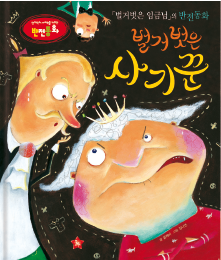
A Twist on The Emperor's New Clothes: The Naked Trickster

Is it right to remain silent because everyone else thinks differently? What might have happened if a courtier had said that he could not see the emperor's clothes? This picture book asks why everyone claimed to see clothes that were not there and helps children look critically at lies and hypocrisy. By comparing the honest child's behavior with the adults' attitudes, children can learn the value and courage of truthfulness.

Hansel and Gretel Reimagined: The Witch's Dream

Book 6

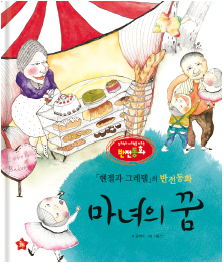
Hansel and Gretel Reimagined: The Witch's Dream

Why are witches usually portrayed as villains in classic tales? What if the witch were not a bad person? This picture book encourages children to imagine how they might solve a problem after getting lost. By thinking of many possible strategies, such as asking animals for directions or observing nature, children can build creativity, problem-solving skills, and spatial awareness.

The Little Match Girl Reimagined: Merry Christmas

Book 7

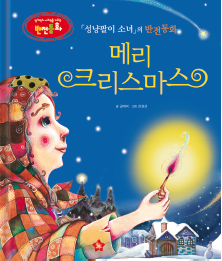
The Little Match Girl Reimagined: Merry Christmas

Why did Andersen write The Little Match Girl? Could the little match girl also help create a happier society? This picture book helps children think about solving problems with an active and positive attitude instead of remaining passive in the face of difficulty. It supports children in talking about their worries, finding concrete ways forward, and building confidence in everyday life.

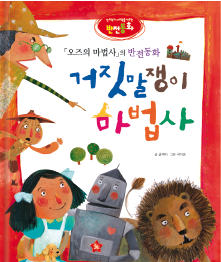
The Wizard of Oz Reimagined: The Lying Wizard

Book 8

The Wizard of Oz Reimagined: The Lying Wizard

What should we do to get what we truly want? Could Dorothy and her friends find what they seek through their own efforts instead of magic? This picture book asks whether the characters who went to Oz truly needed the wizard's help. Through the scarecrow, tin woodman, and lion discovering what they wanted within themselves, children can recognize their own possibilities and the value of effort.

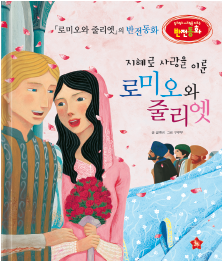
Romeo and Juliet Reimagined: Love Won Through Wisdom

Book 9

Romeo and Juliet Reimagined: Love Won Through Wisdom

Is it right to insist on love to the very end when parents oppose it? Could Romeo and Juliet have reconciled their families and still fulfilled their love? This picture book asks how the story might have changed if Romeo had turned himself in instead of running away. It shows that the same event can lead to different outcomes depending on one's choices and opens conversation about responsibility, forgiveness, and dialogue.

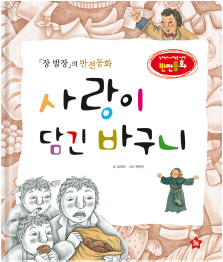
Jean Valjean Reimagined: A Basket Filled with Love

Book 10

Jean Valjean Reimagined: A Basket Filled with Love

Is it right to punish only the crime, regardless of motive? What kind of mayor does Jean Valjean become after receiving help from the bishop? Through Jean Valjean's story, this picture book encourages children to consider whether a punishment fits a wrongdoing and what better solutions might exist. By identifying problems and proposing alternatives, children can develop judgment and logical thinking.

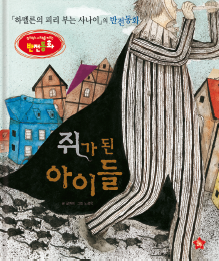
The Pied Piper of Hamelin Reimagined: The Children Who Became Mice

Book 11

The Pied Piper of Hamelin Reimagined: The Children Who Became Mice

Was it right for the adults of Hamelin to break their promise? Is there a way to make them keep their promise to the Pied Piper? This picture book lets children freely imagine what they wish would disappear and what they wish there were more of. By also considering the opposite case, children can build creative thinking habits and learn to explain the reasons behind their ideas.

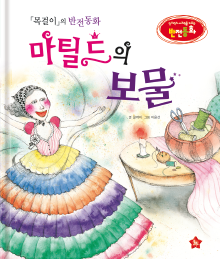
The Necklace Reimagined: Mathilde's Treasure

Book 12

The Necklace Reimagined: Mathilde's Treasure

Was it right for Mathilde to borrow a necklace just to adorn herself? Could she have found a way to wear a dress without buying one? This picture book shows that discovering one's own talents and true worth matters more than outward beauty. As Mathilde lets go of vanity and finds her abilities, children are invited to think about inner beauty and self-esteem.

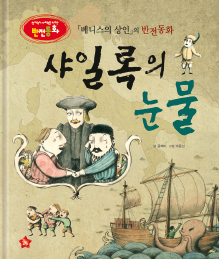
The Merchant of Venice Reimagined: Shylock's Tears

Book 13

The Merchant of Venice Reimagined: Shylock's Tears

Was Shakespeare's negative portrayal of Shylock a form of discrimination against Jews? Was Shylock truly a money-obsessed villain from the beginning? This picture book looks at Shylock from The Merchant of Venice in a new way and asks why a character acted as he did. By raising questions about discrimination, prejudice, and fair judgment, it helps children develop critical thinking and a balanced perspective.

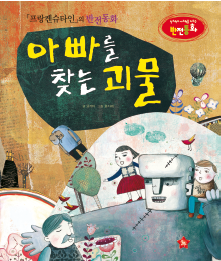
Frankenstein Reimagined: The Monster Looking for His Father

Book 14

Frankenstein Reimagined: The Monster Looking for His Father

How can we understand that a person's heart matters more than appearance? Is there anyone who will recognize the monster's kind heart? Through the actions of the doctor who created the monster, this picture book invites children to think about responsibility. It helps them understand that creating and caring for someone carries responsibility, while also opening discussion about judging others by appearance alone.

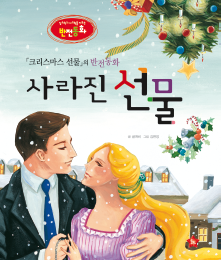
The Gift of the Magi Reimagined: The Missing Gift

Book 15

The Gift of the Magi Reimagined: The Missing Gift

Would it feel wasteful to give away the thing you treasure most as a gift? What if Della had become greedy and wanted only expensive presents? This picture book asks what kind of gift can express one's heart without selling one's most cherished possession. Children can reflect on gifts filled with sincerity and care rather than money, and learn different ways to express gratitude and love.

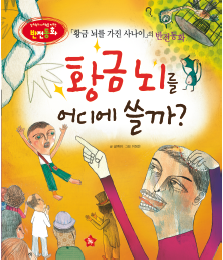
The Man with the Golden Brain Reimagined: What Should We Do with a Golden Brain?

Book 16

The Man with the Golden Brain Reimagined: What Should We Do with a Golden Brain?

Is it always right to help others by sacrificing oneself? What would be the most valuable way to use a golden brain? This picture book encourages children to think about how special abilities can be used in meaningful ways. By comparing selfish use of one's talents with using them for others, children can build judgment about ability and responsibility.

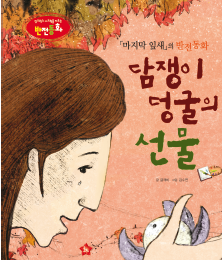
The Last Leaf Reimagined: The Ivy Vine's Gift

Book 17

The Last Leaf Reimagined: The Ivy Vine's Gift

How can we overcome hardship? Is there a way to help Johnsy hold on to hope and keep fighting to live? This picture book connects the story of the last leaf with the way ivy survives winter. By using scientific knowledge together with literary imagination, children can understand principles of nature and develop integrated thinking that lets them view a story in a new way.

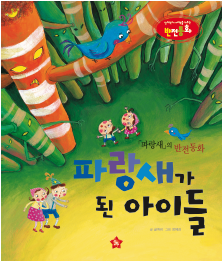
The Blue Bird Reimagined: The Children Who Became Bluebirds

Book 18

The Blue Bird Reimagined: The Children Who Became Bluebirds

Is happiness hard to find? If Tyltyl and Mytyl were bluebirds, would they bring happiness to others? This picture book shows that happiness is not far away but can be found in our hearts and actions. By comparing happiness from possession with happiness from sharing, children can learn the value of a life in which everyone becomes happy together.

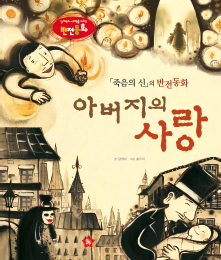
The God of Death Reimagined: A Father's Love

Book 19

The God of Death Reimagined: A Father's Love

Can we be happy without sacrifice? If the young man were given a new life, how would he choose to live? Through the king's sacrifice, this picture book invites children to think about true love and happiness. By seeing a heart willing to sacrifice for a life more precious than oneself, children can naturally feel the meaning of parental love and devotion.

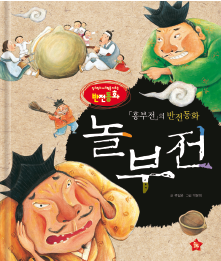
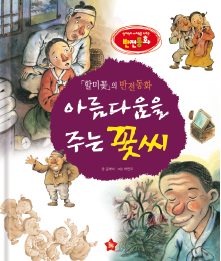
Heungbu Reimagined: Nolbu's Story

Book 20

Heungbu Reimagined: Nolbu's Story

Is Heungbu the only good brother, with nothing to learn from Nolbu? Is it right for Heungbu to become rich overnight with help from a swallow? Could he become rich without the swallow's help? This picture book rereads Heungbu-jeon from a new perspective and asks children to think about living kindly and achieving through one's own effort. By comparing wealth gained through luck with wealth earned through one's abilities, children can develop critical thinking and an independent attitude toward life.

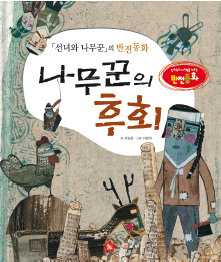
The Heavenly Maiden and the Woodcutter Reimagined: The Woodcutter's Regret

Book 21

The Heavenly Maiden and the Woodcutter Reimagined: The Woodcutter's Regret

Was it right for the woodcutter to steal the heavenly maiden's clothes? Why did she return to the heavens? This picture book invites children to revisit The Fairy and the Woodcutter from a contemporary perspective. It guides them to think about why the woodcutter's actions can be problematic and to seek respectful ways of forming relationships with others.

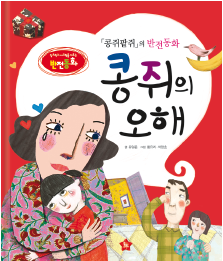
Kongjwi and Patjwi Reimagined: Kongjwi's Misunderstanding

Book 22

Kongjwi and Patjwi Reimagined: Kongjwi's Misunderstanding

Why are stepmothers in traditional tales so often portrayed as bad people? What if Kongjwi misunderstood her stepmother's true feelings? This picture book encourages children to look critically at the fixed image of the stepmother in Kongjwi and Patjwi. From today's perspective of diverse family forms, it helps them reflect on prejudice and assumptions and consider values that fit the present age.

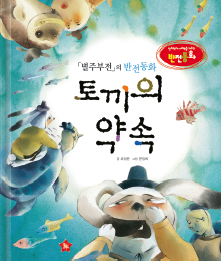
A Twist on the Korean Classic Byeoljubu-jeon: The Rabbit's Promise

Book 23

A Twist on the Korean Classic Byeoljubu-jeon: The Rabbit's Promise

Does the Dragon King's life matter more than the rabbit's? Is there a way to cure the Dragon King's illness while protecting the rabbit's life? This picture book asks why lying is wrong and how we should think about so-called white lies. As children consider honesty and consideration together in different situations, they can develop good character and thoughtful judgment.

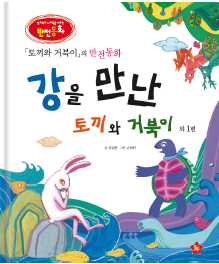
The Hare and the Tortoise Reimagined: The Hare and the Tortoise Meet a River, and One More Story

Book 24

The Hare and the Tortoise Reimagined: The Hare and the Tortoise Meet a River, and One More Story

Was it fair for the hare and the tortoise to hold a running race? Could they become friends instead of rivals? This picture book adds new situations to the familiar story of The Tortoise and the Hare and invites children to create a reimagined tale. By imagining what would change if there were a river before the finish line or if the tortoise woke the hare, children can build creativity and critical thinking.

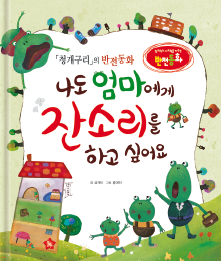
The Green Frog Reimagined: I Want to Scold Mom Too

Book 25

The Green Frog Reimagined: I Want to Scold Mom Too

Could there have been a reason behind the young green frog's behavior? Is there a way for the young frog and his mother to understand each other's feelings? Through the green frog tale, this picture book encourages children to think scientifically about why frogs croak on rainy days. By connecting a traditional story with ecological knowledge, it builds the ability to integrate ideas across subjects.

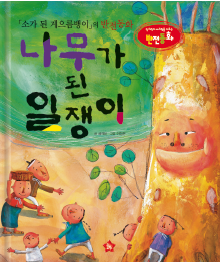
The Lazybones Who Became an Ox Reimagined: The Workaholic Who Became a Tree

Book 26

The Lazybones Who Became an Ox Reimagined: The Workaholic Who Became a Tree

Is laziness always bad? What if the lazy boy had been someone who cared only about work? This picture book helps children think for themselves about what diligence means. It encourages them to look back on lazy habits in everyday life and talk concretely about what efforts are needed to build a better attitude.

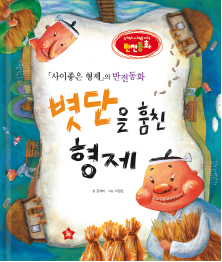
The Close Brothers Reimagined: The Brothers Who Stole Rice Sheaves

Book 27

The Close Brothers Reimagined: The Brothers Who Stole Rice Sheaves

Is it right to sacrifice everything without looking after one's own needs? What if the brothers had become greedy and tried to take more rice sheaves? This picture book asks how a caring heart and a selfish desire to take more can change relationships. By reimagining the brothers' story, children can discover for themselves the difference between consideration and greed.

The Pasqueflower Reimagined: The Flower Seeds That Bring Beauty

Book 28

The Pasqueflower Reimagined: The Flower Seeds That Bring Beauty

Was the eldest granddaughter's behavior toward her grandmother right? Is there a way for her to realize her own mistake? This picture book helps children reflect on how they think about grandmothers and grandfathers. By considering what it means to grow old and how shame or distance can affect older people, children can learn empathy and respect.

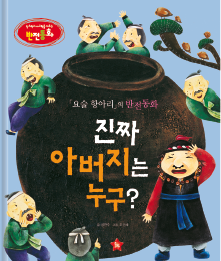
The Magic Jar Reimagined: Who Is the Real Father?

Book 29

The Magic Jar Reimagined: Who Is the Real Father?

Can a fake imitate even a sincere heart? Is there a way to identify the magistrate's real father? This picture book asks whether luck that comes too easily, like from a magic bag, is truly good. By imagining both the good and bad sides of fortune, children can freely explore their thoughts about greed, sharing, and responsibility.

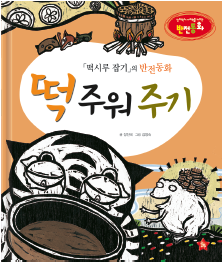
Grabbing the Rice-Cake Steamer Reimagined: Picking Up Rice Cakes for Others

Book 30

Grabbing the Rice-Cake Steamer Reimagined: Picking Up Rice Cakes for Others

Was it right for the toad to accept a bet he was sure to lose? Is there a way for everyone to share the rice cakes peacefully? Through the story of the tiger and the toad, this picture book encourages children to think about each person's strengths and another person's point of view. It also helps them discover what they do well and learn to say no clearly when someone proposes an unfair bet.

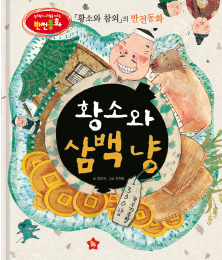
The Ox and the Melon Reimagined: The Ox and Three Hundred Nyang

Book 31

The Ox and the Melon Reimagined: The Ox and Three Hundred Nyang

Was the greedy farmer right to stay silent about what he wanted? What would have happened if he had asked for something other than a melon? This picture book helps children think about how an excessively large reward can increase a person's greed. By discussing whether a reward is appropriate and how behavior changes with or without rewards, children can build critical and logical thinking.

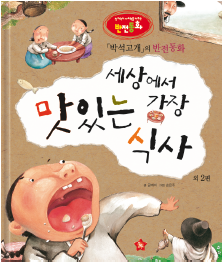
Bakseok Pass Reimagined: The Most Delicious Meal in the World, and Two More Stories

Book 32

Bakseok Pass Reimagined: The Most Delicious Meal in the World, and Two More Stories

Should children show filial devotion to their parents even at the cost of self-sacrifice? What if the young man had not been a devoted son? This picture book encourages children to think about what filial devotion means and what they can do for their parents. It shows that caring for parents is not only about doing what they ask, but also about understanding their feelings and circumstances in many different ways.

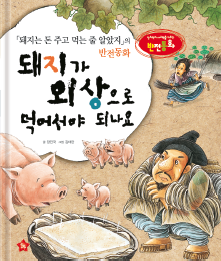
I Thought Pigs Paid to Eat Reimagined: Should a Pig Eat on Credit?

Book 33

I Thought Pigs Paid to Eat Reimagined: Should a Pig Eat on Credit?

Is it right to ask for tofu on credit? What if the traveler had driven away the pig eating the tofu? This picture book invites children to think about the joy of sharing with others and the meaning of a generous life. It helps them realize that while sharing what they have may reduce material things, it can make the heart richer.

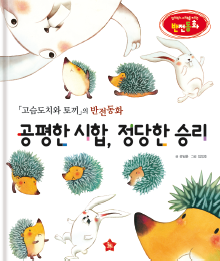
The Hedgehog and the Hare Reimagined: A Fair Race, a Just Victory

Book 34

The Hedgehog and the Hare Reimagined: A Fair Race, a Just Victory

Was the hedgehog's victory fair if he deceived the hare? Is there a fair way for the hedgehog to beat the hare? Through the race between the hedgehog and the hare, this picture book asks what fair competition and a rightful victory mean. By examining each character's strengths and weaknesses and imagining ways to win without trickery, children can build critical thinking and creativity.