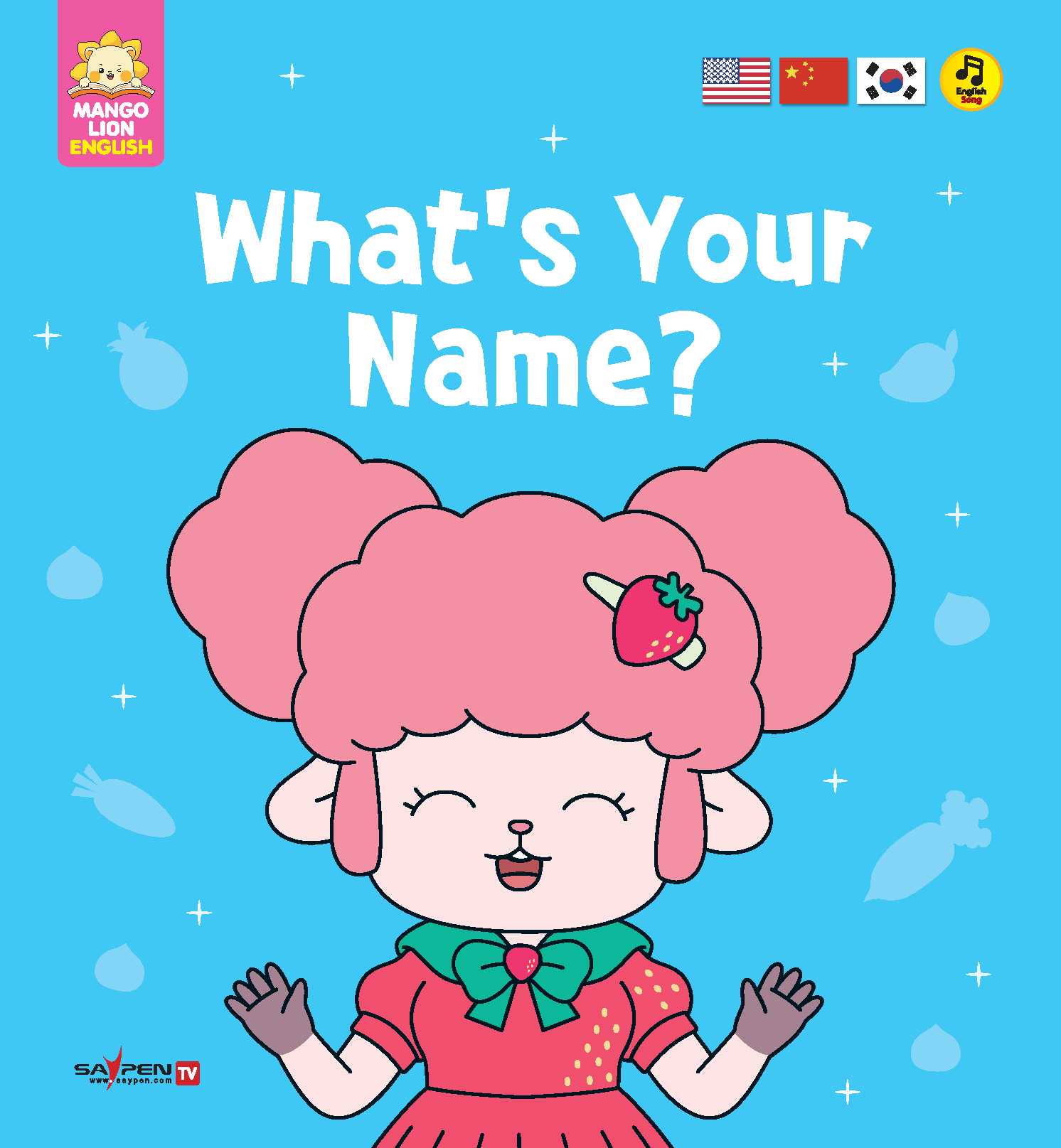
1.What's Your Name?
Young readers learn to ask a friend's name and introduce themselves with expressions such as What's your name?, My name's Mango, and Nice to meet you.
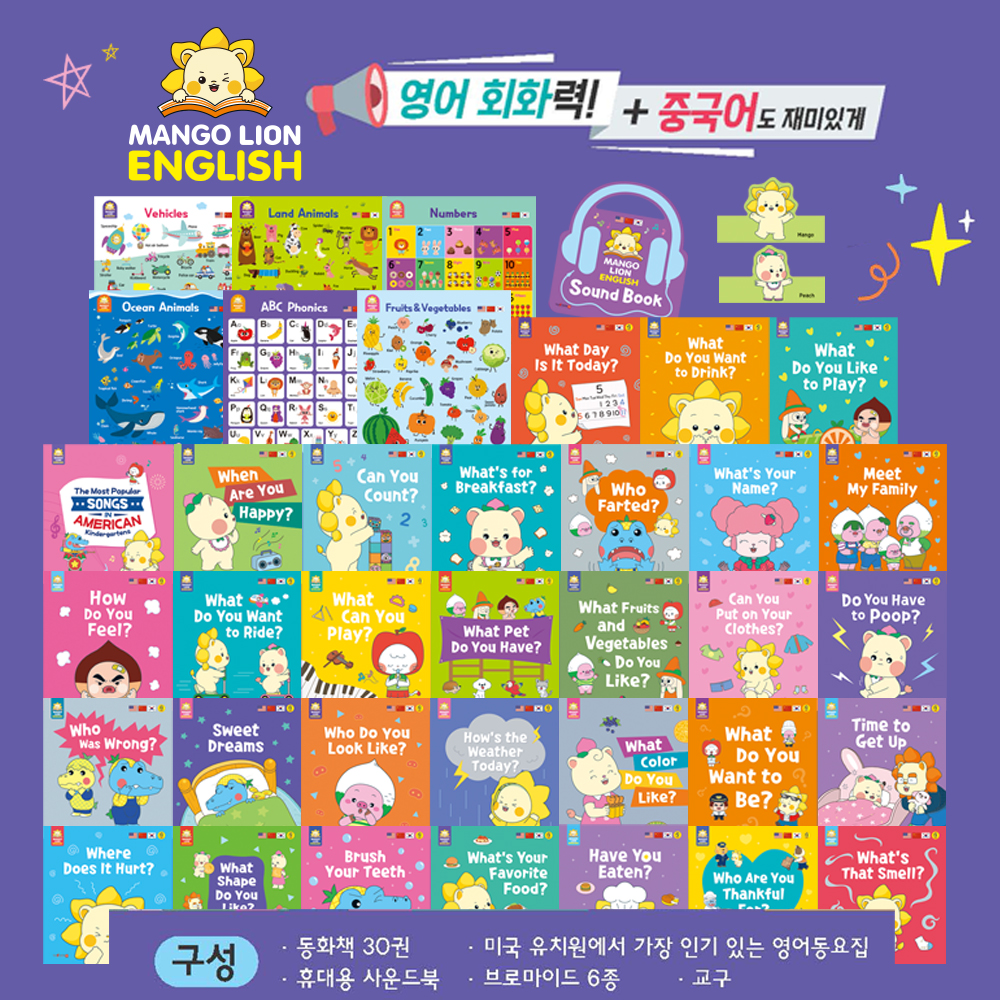
English Picture Books
An English picture-book series that teaches everyday expressions through Mango Lion characters and everyday dialogue. English, Chinese, and Korean audio plus musical animation make it highly adaptable for multilingual markets.
Step 3
Review the books in this series and open available sample previews.
Young readers learn to ask a friend's name and introduce themselves with expressions such as What's your name?, My name's Mango, and Nice to meet you.
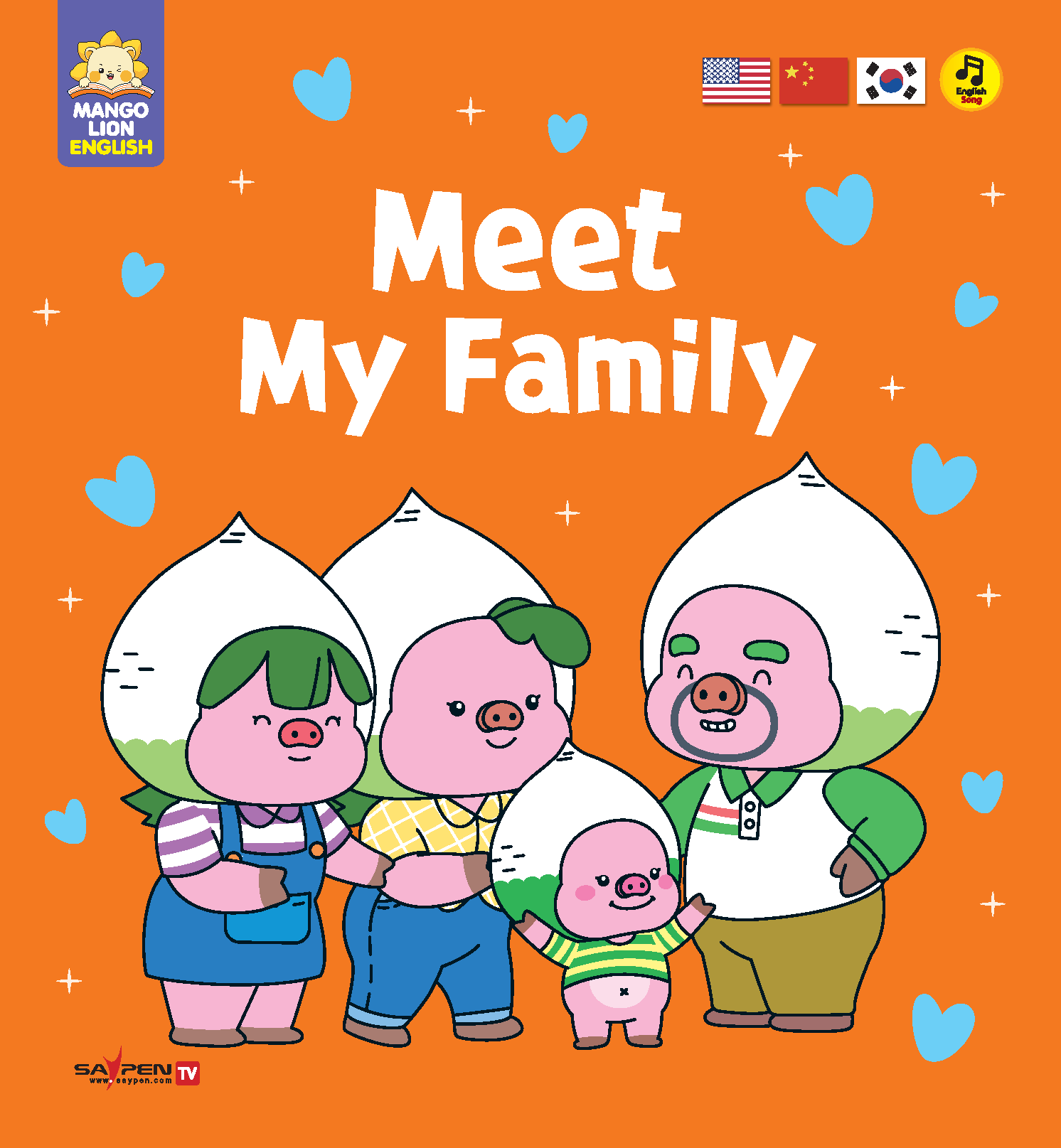
Young readers learn to introduce family members and relatives using simple sentences such as This is my mom, This is my dad, and This is my little sister.
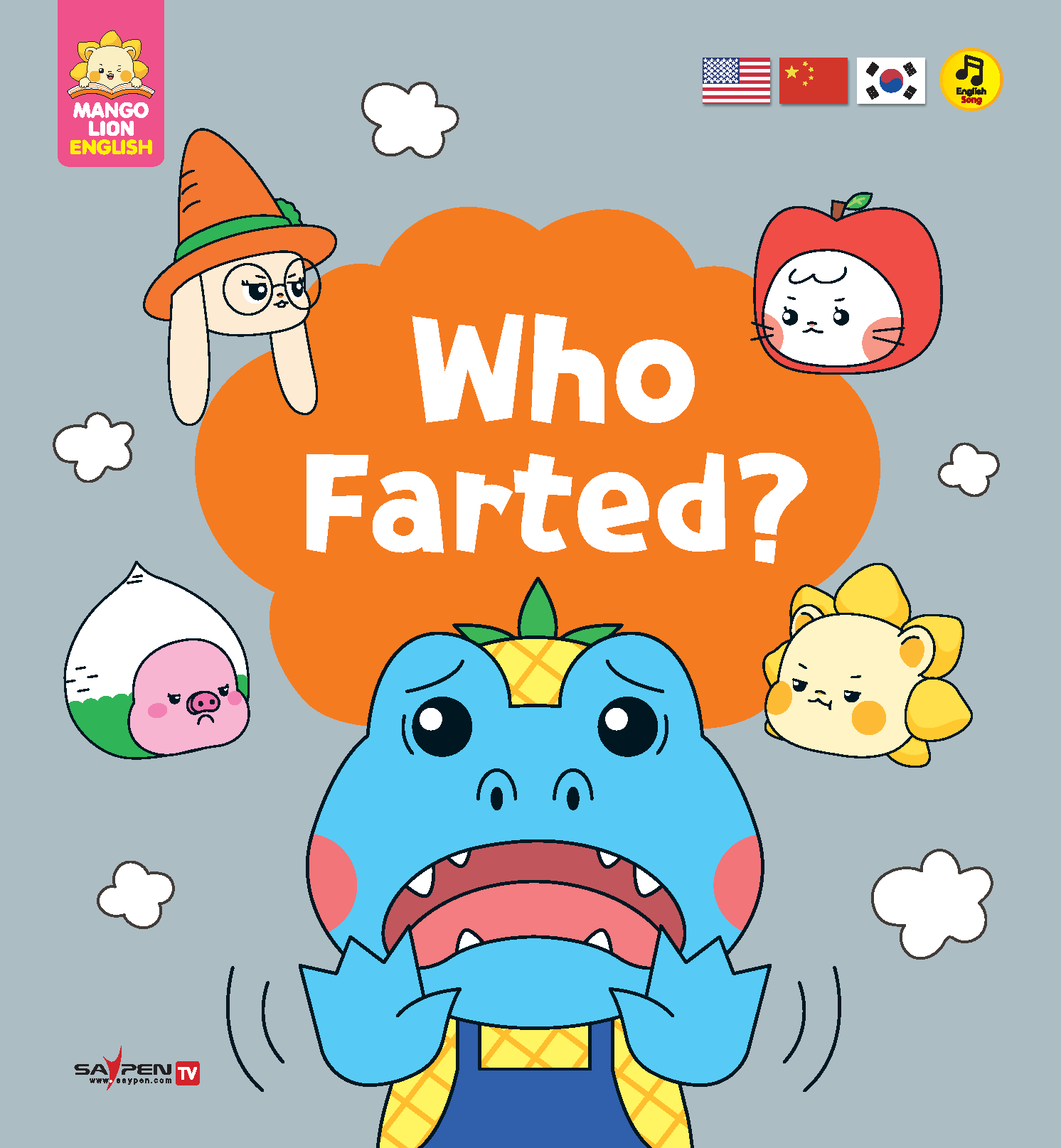
A playful story for practicing how to ask and answer who farted, with simple dialogue such as Who farted?, Was it you?, and Not me.
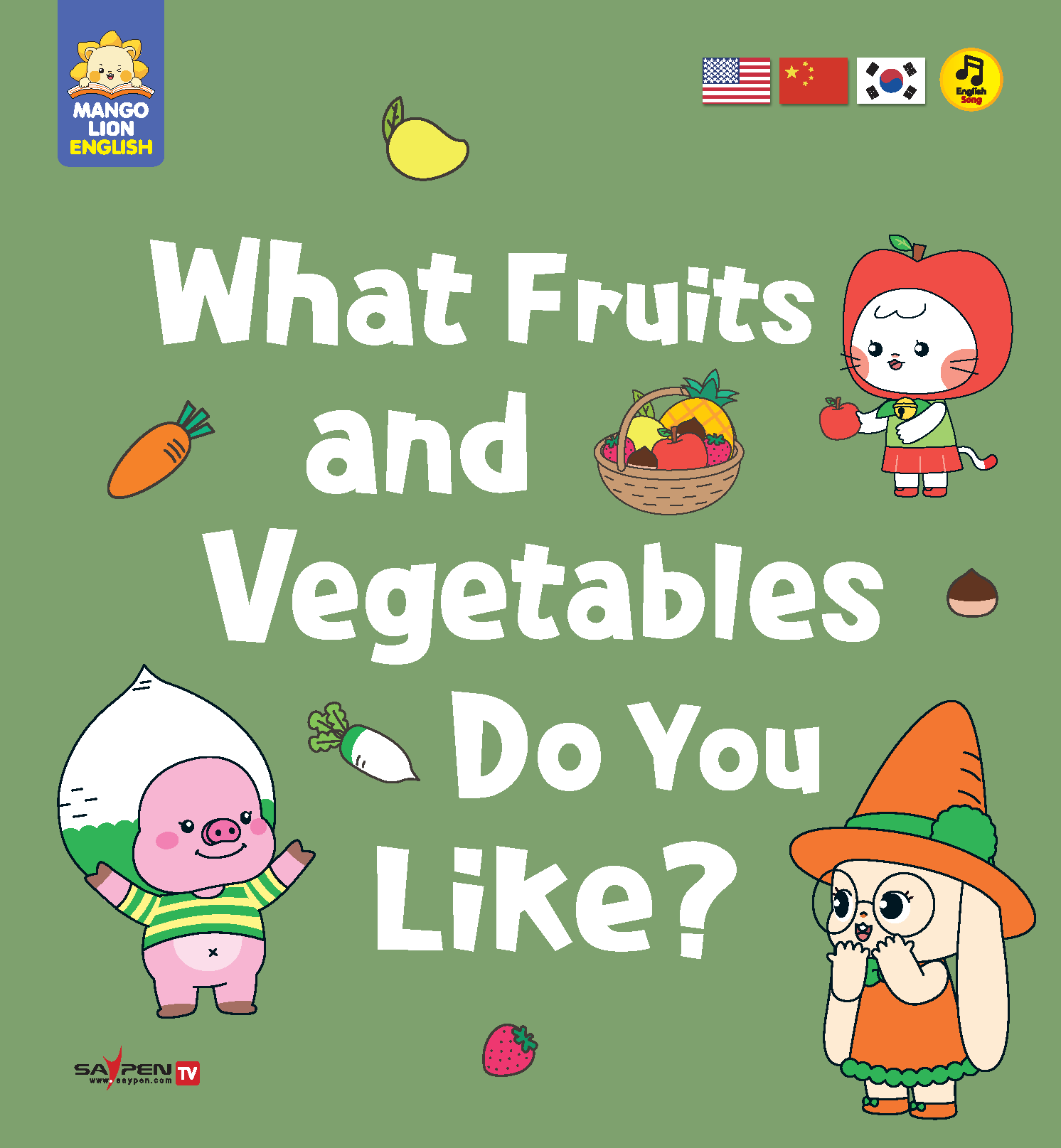
Mango and friends talk about the fruits and vegetables they like while practicing Do you like fruits and vegetables? and What fruits and vegetables do you like?
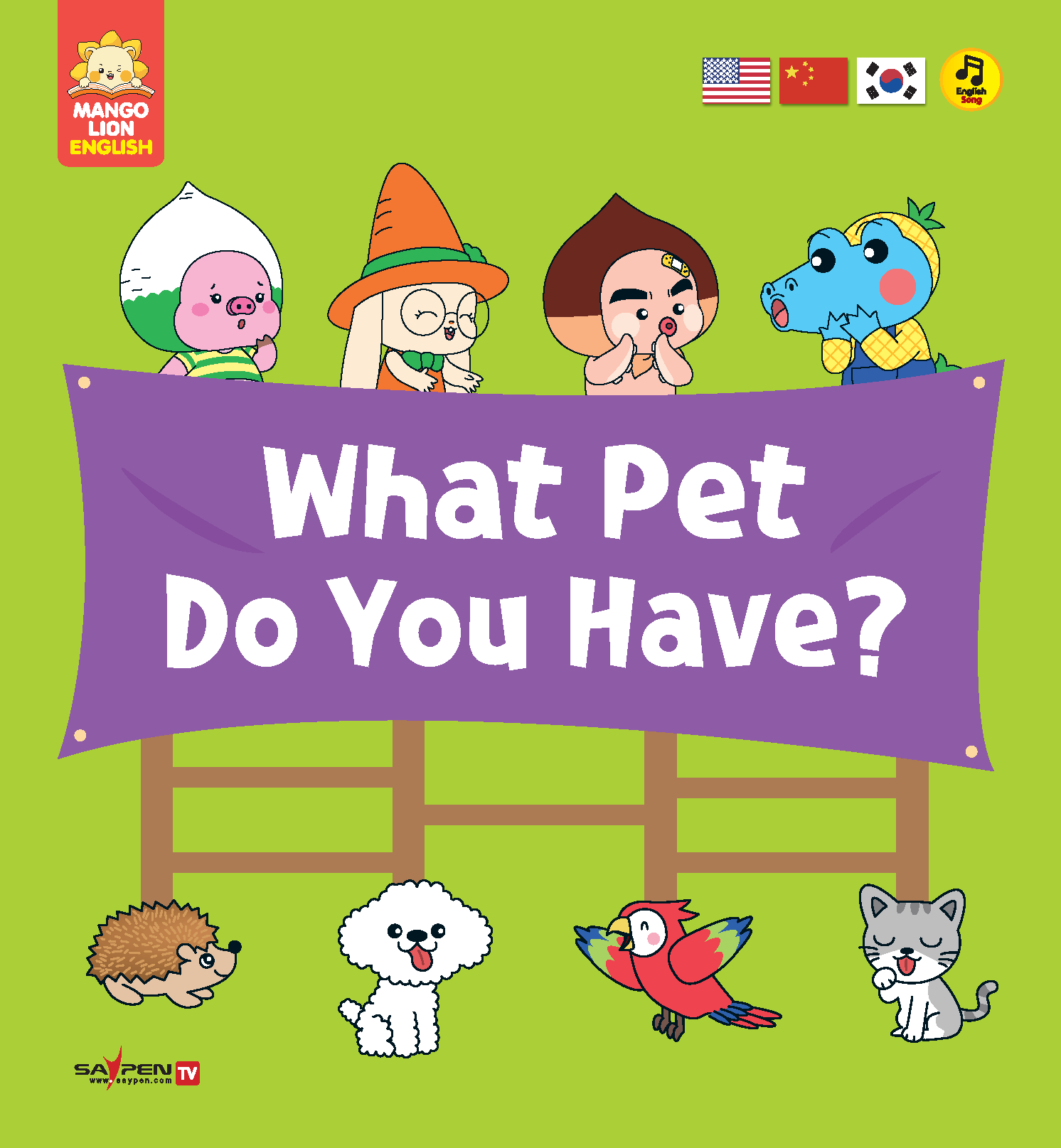
Children ask and answer what pets their friends have, while Mango wonders whether his toy puppy can count as a real pet.
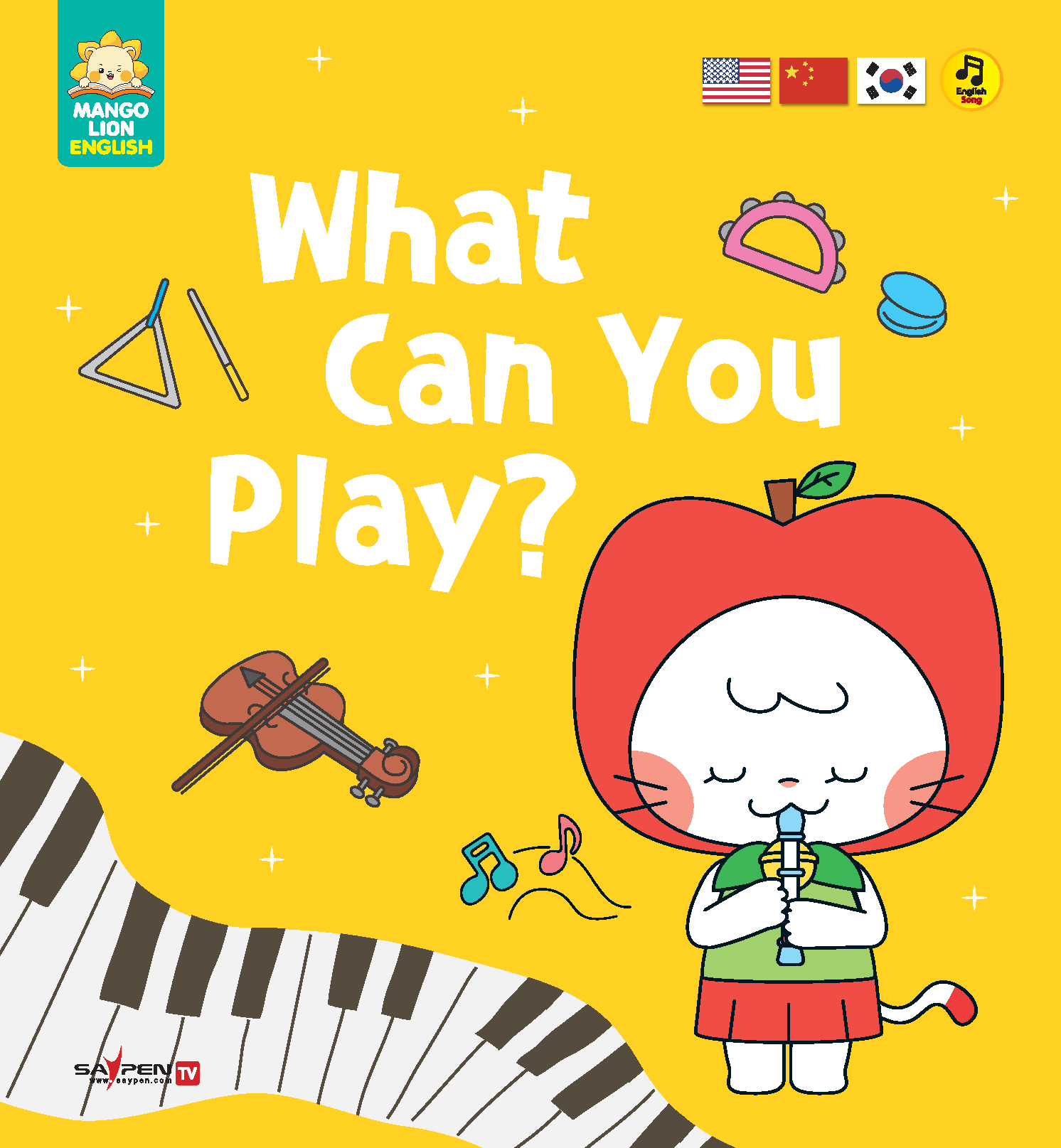
As the class prepares for a talent show, the teacher asks which instruments the children can play, using patterns such as What can you play? and I can play the piano.
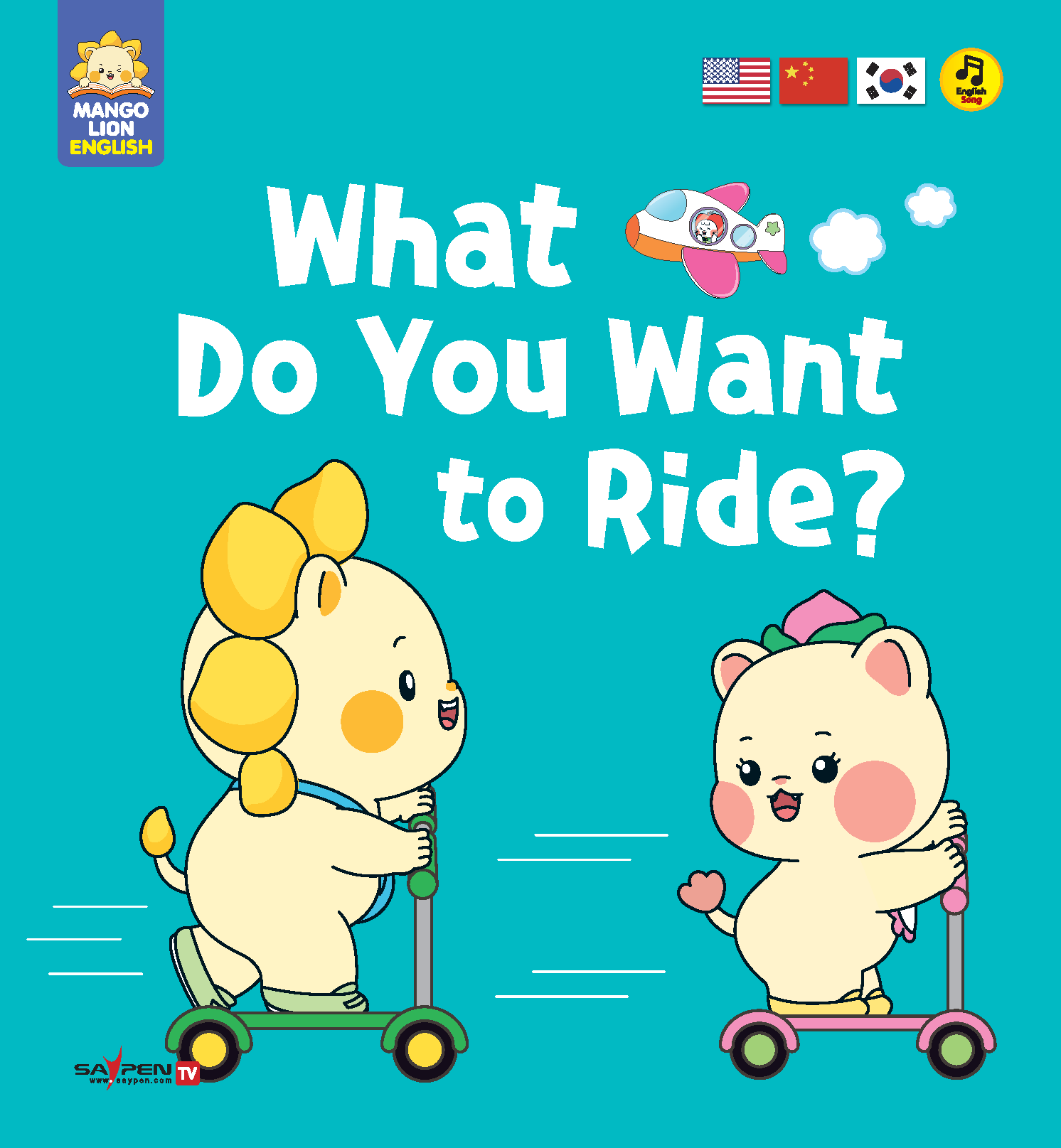
Mango and friends ask what vehicles they would like to ride, while Mango dreams of riding a flying car.
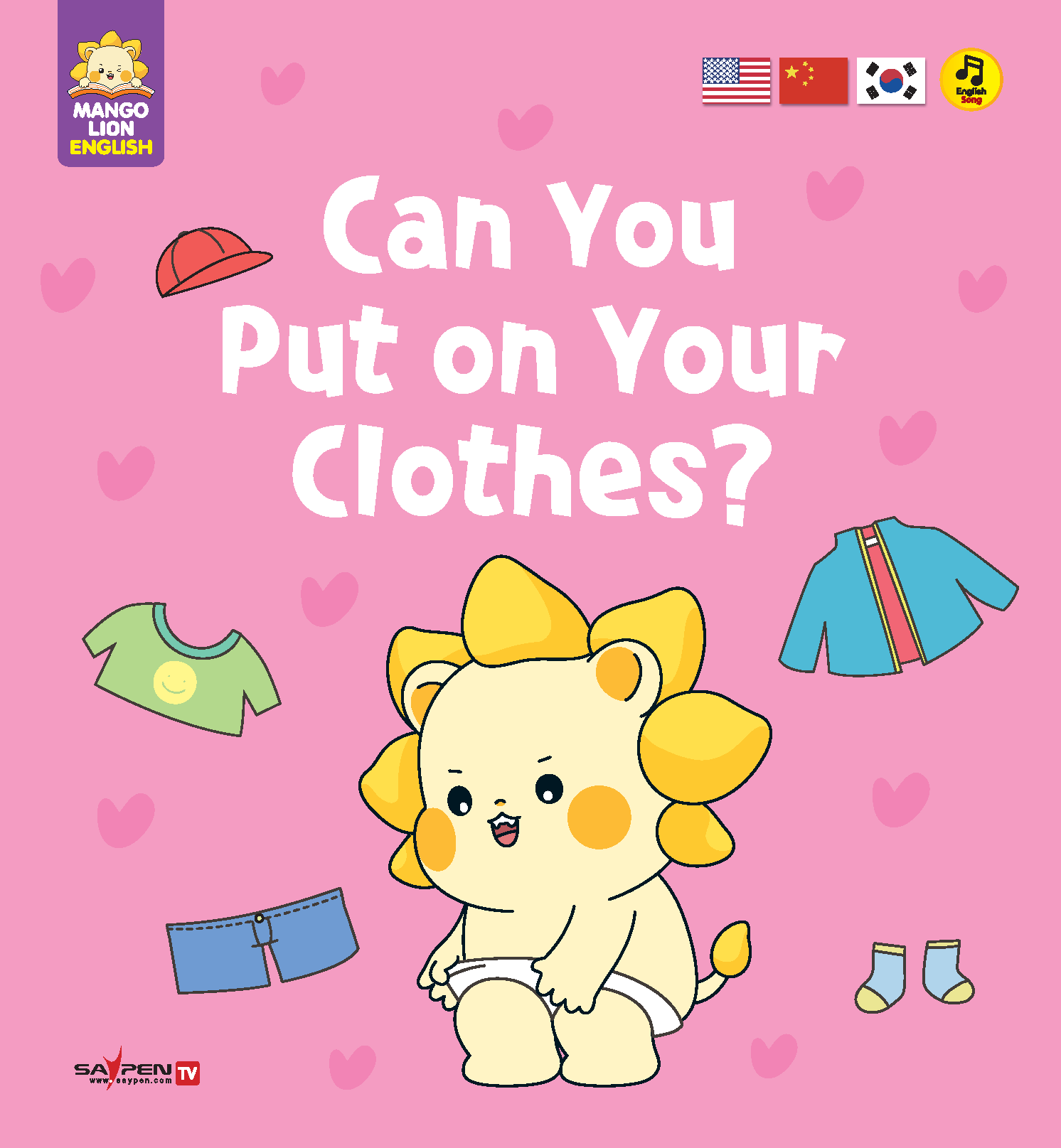
Mango gets ready to go out with Mom and practices putting on clothes, socks, shoes, and a hat all by himself.
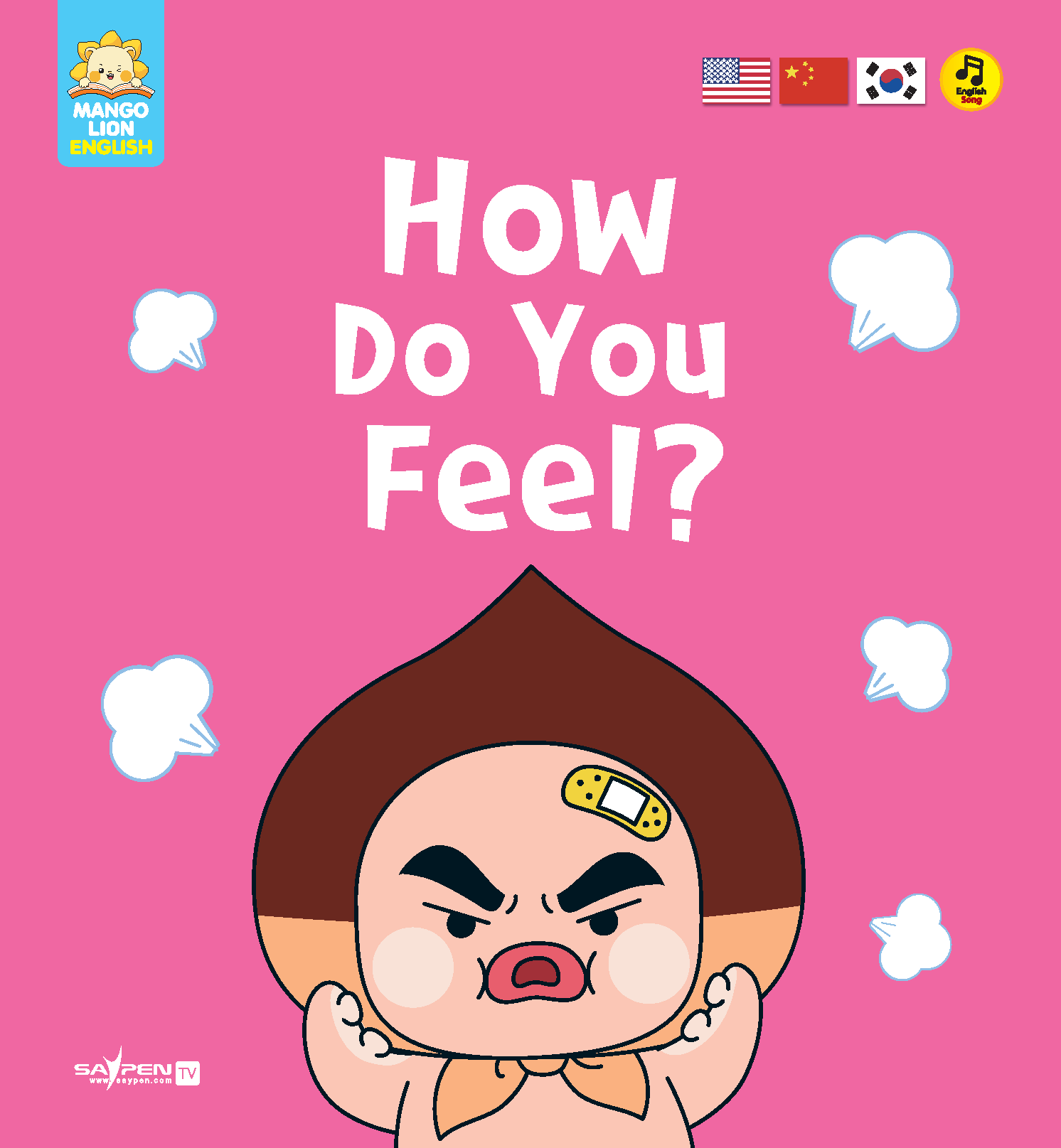
Young readers learn to ask about and express feelings, while Mango responds when Mom says she feels tired.
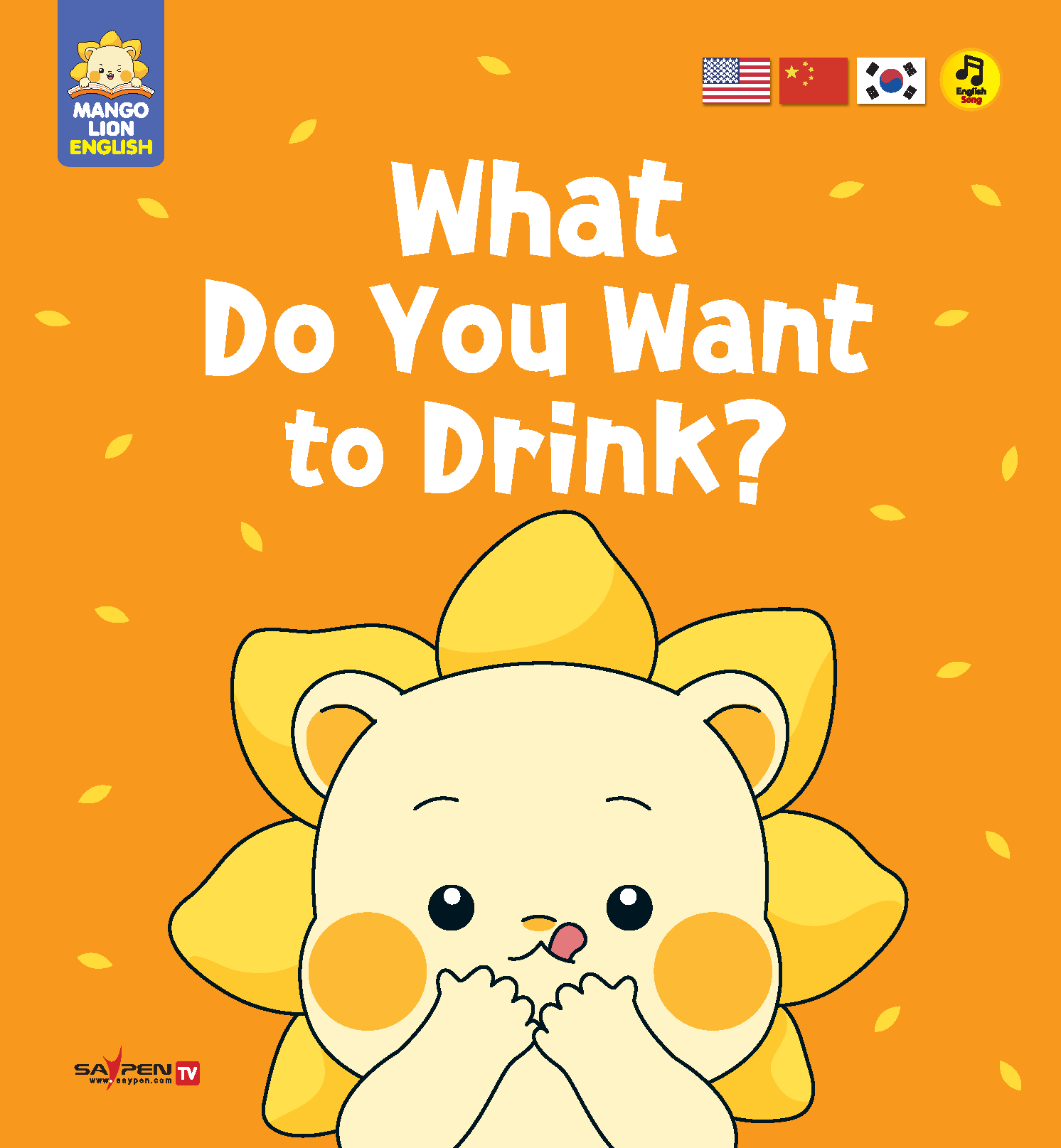
A drinks-and-daily-phrases title for asking and answering What do you want to drink?, along with expressions such as I have to pee.
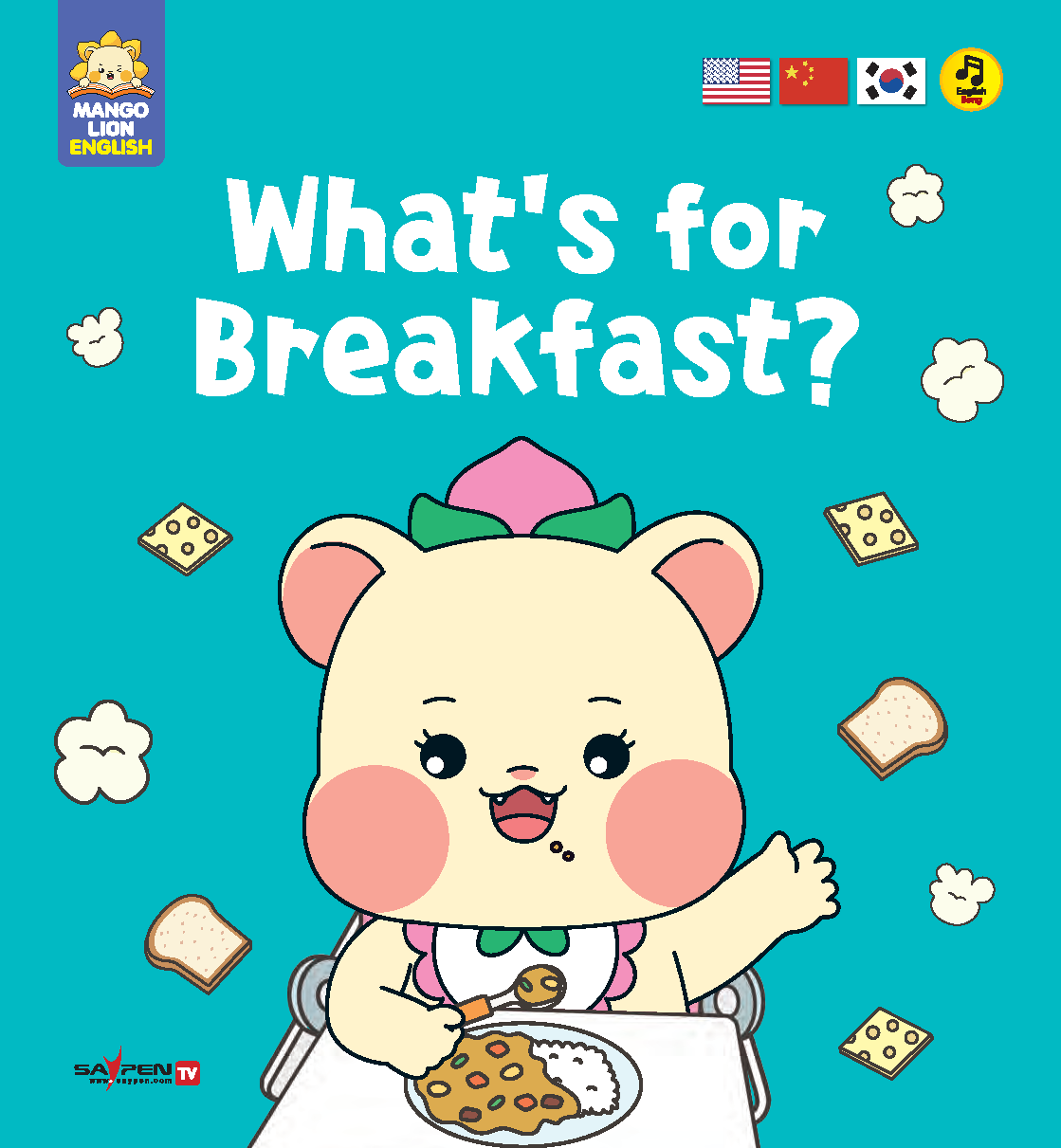
Mango and friends talk about breakfast, lunch, and dinner, describing what they eat, how it tastes, and mealtime phrases such as Enjoy your meal and Thank you.
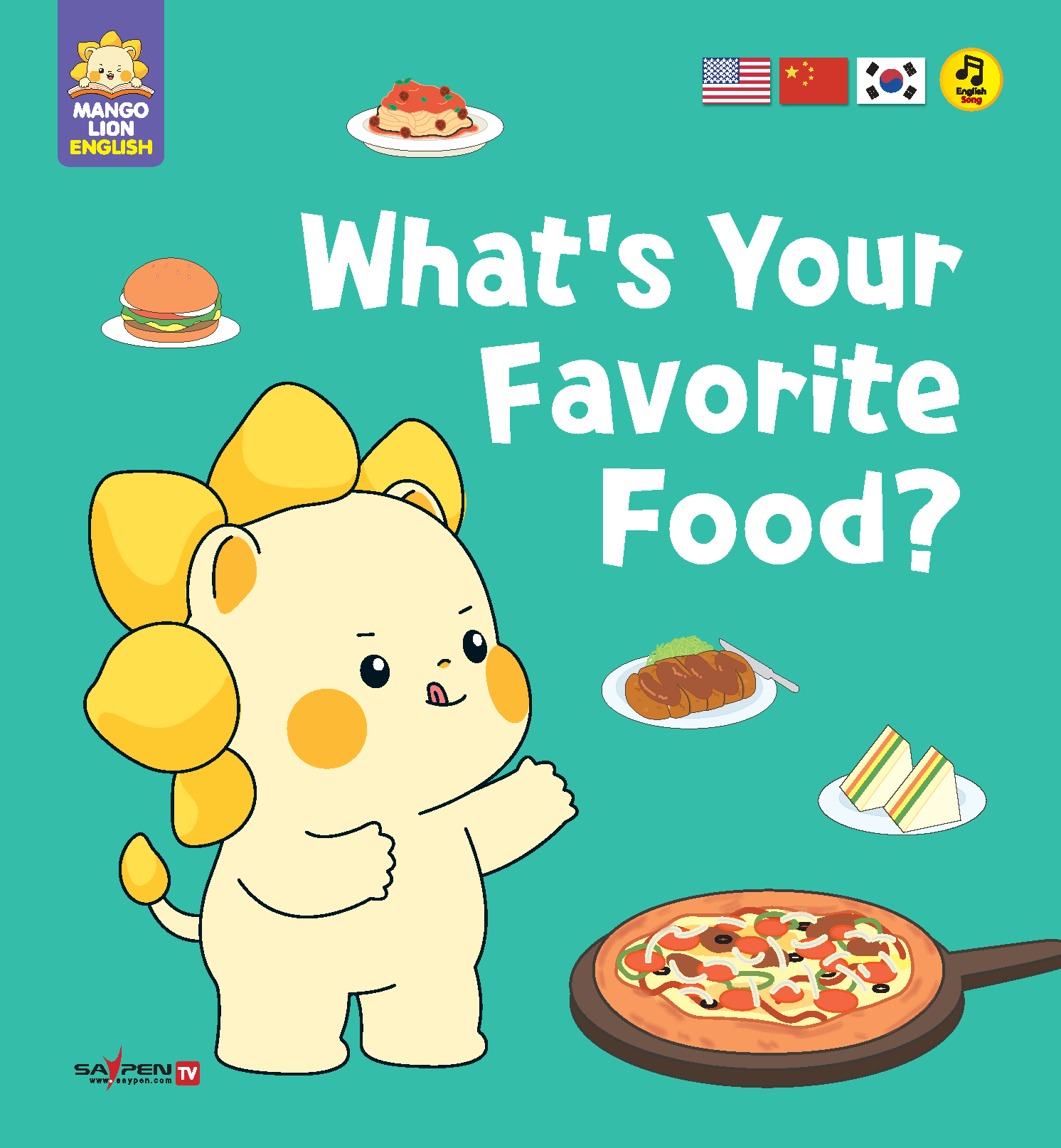
At a kindergarten food party, Mango and friends practice naming and ordering favorite foods such as pizza, hamburgers, chicken, pork cutlet, and pasta.
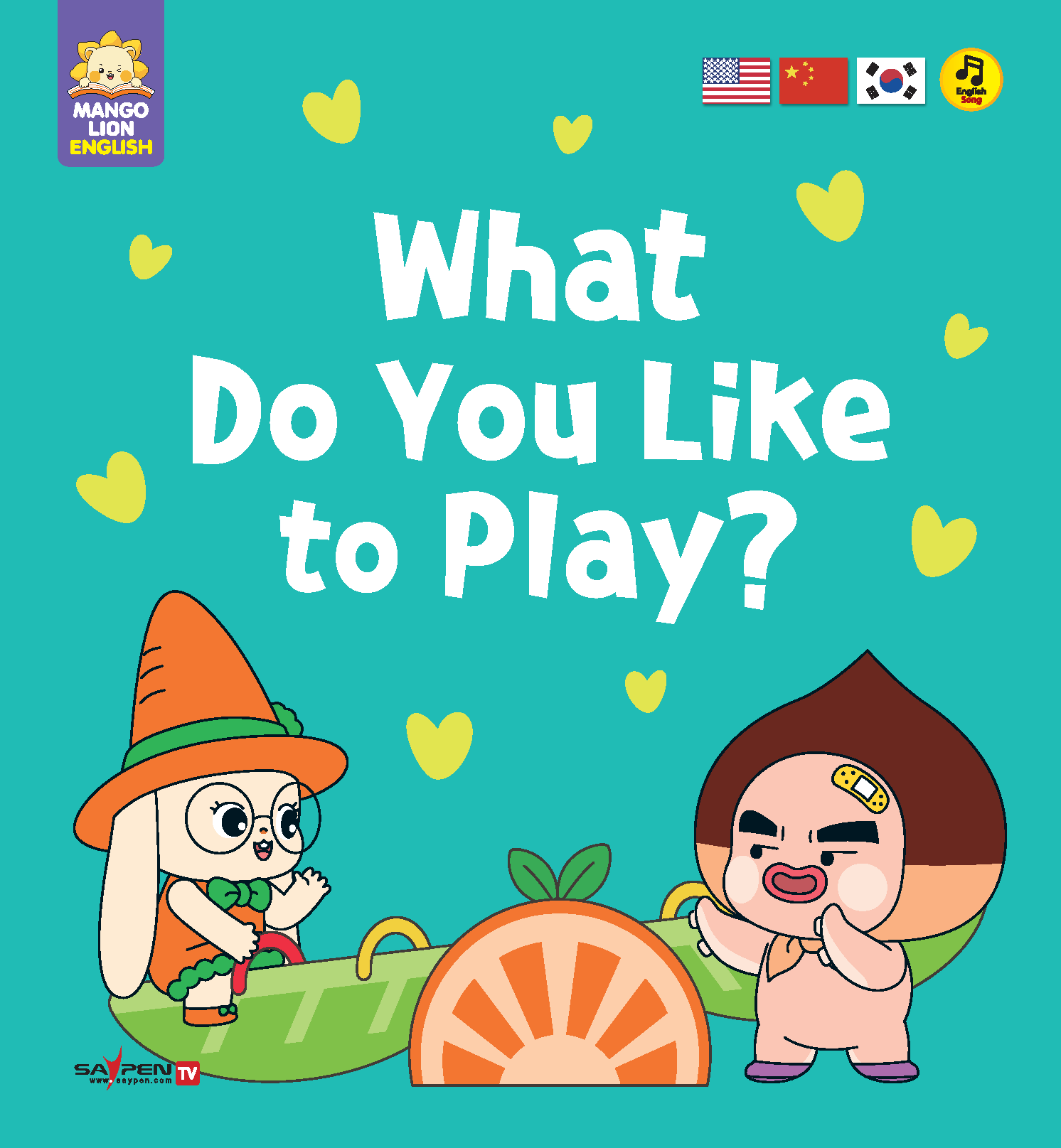
Young readers learn playground conversation, including What do you like to play?, Watch out, Line up, Wait your turn, and I want to play more.
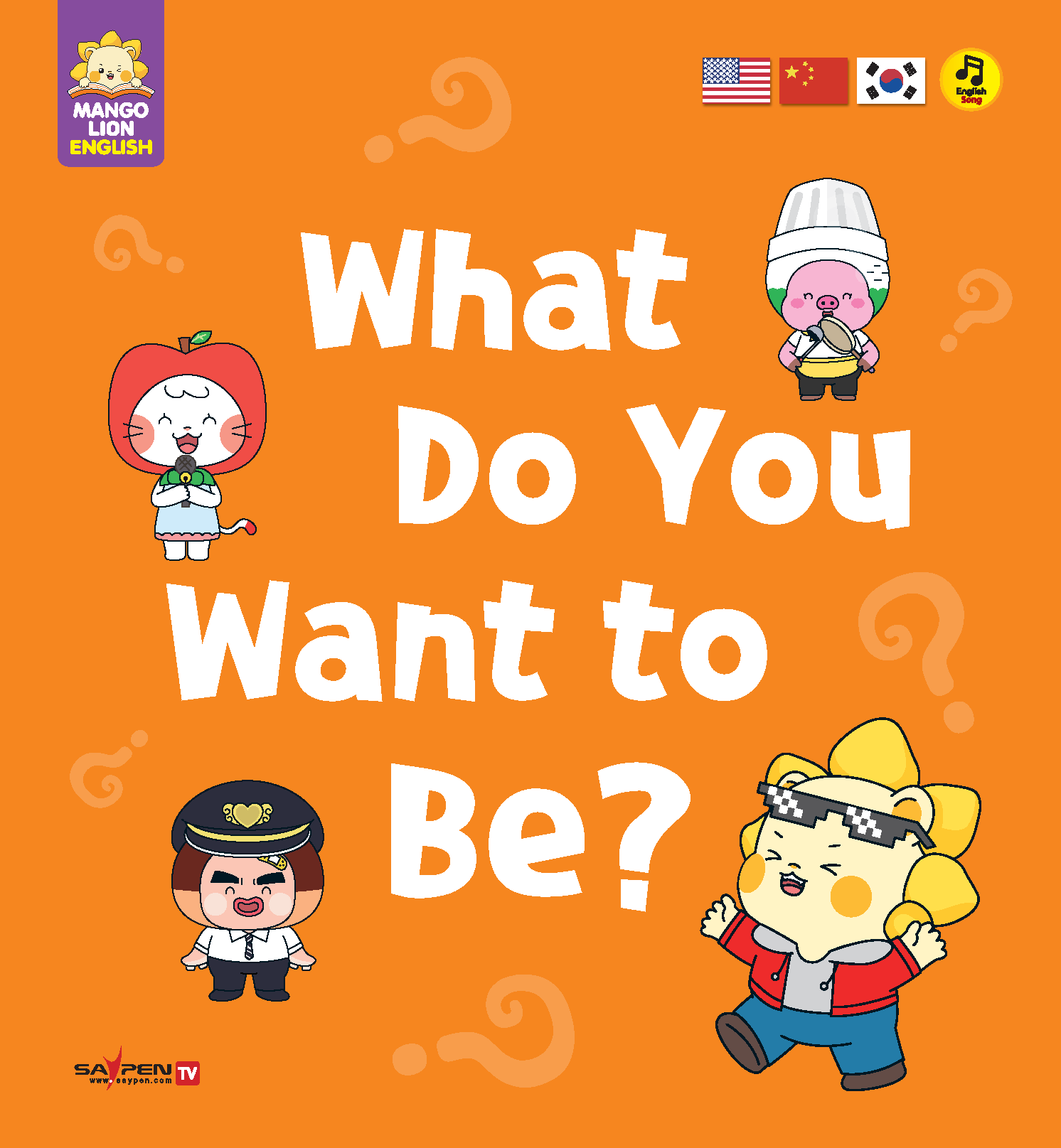
Friends ask and answer what they want to be, practicing What do you want to be? and I want to be a singer as they imagine future dreams.
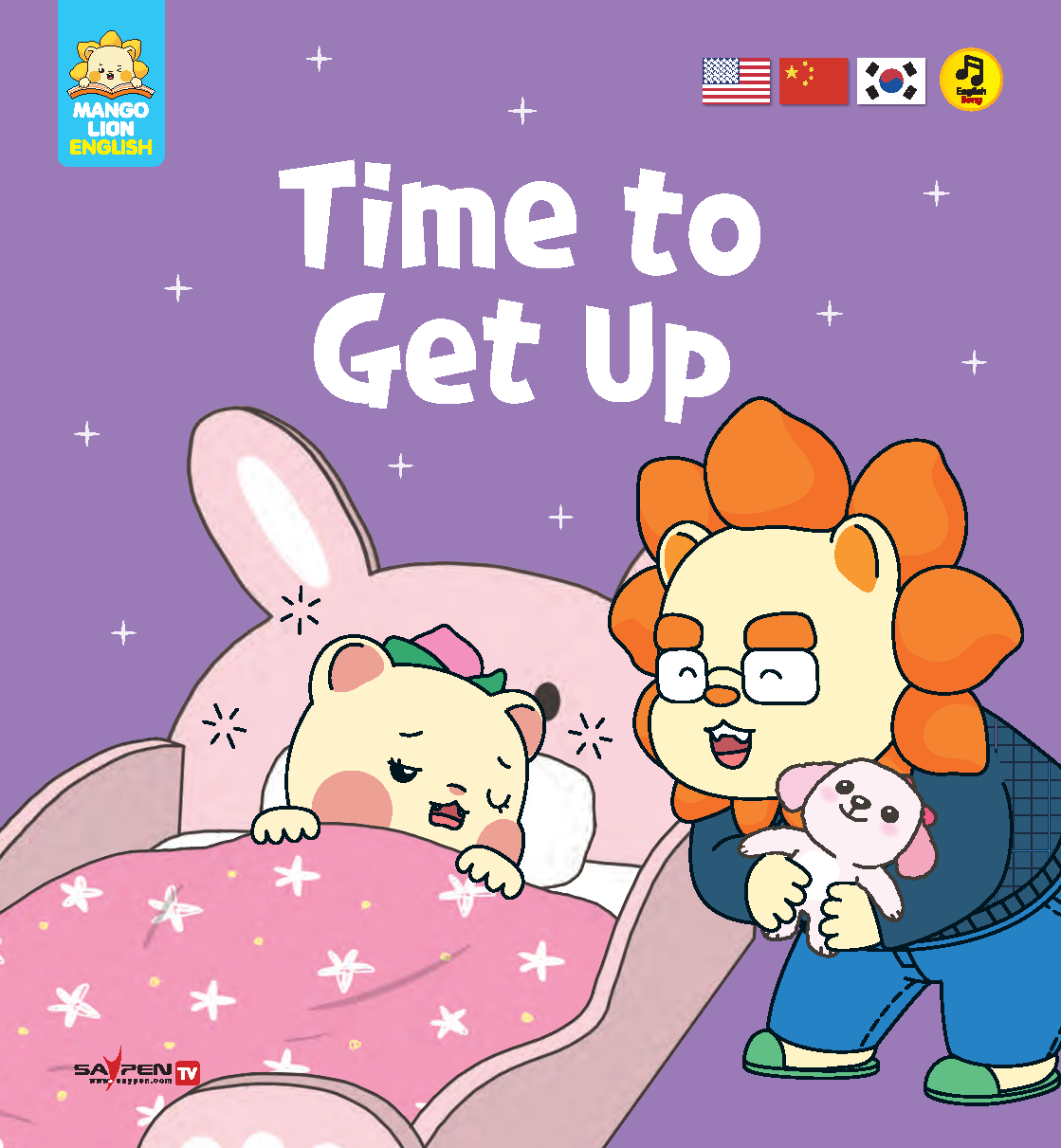
Children practice morning routine phrases such as Time to get up, Wash your face, Eat breakfast, Brush your teeth, and Let's take the bus.
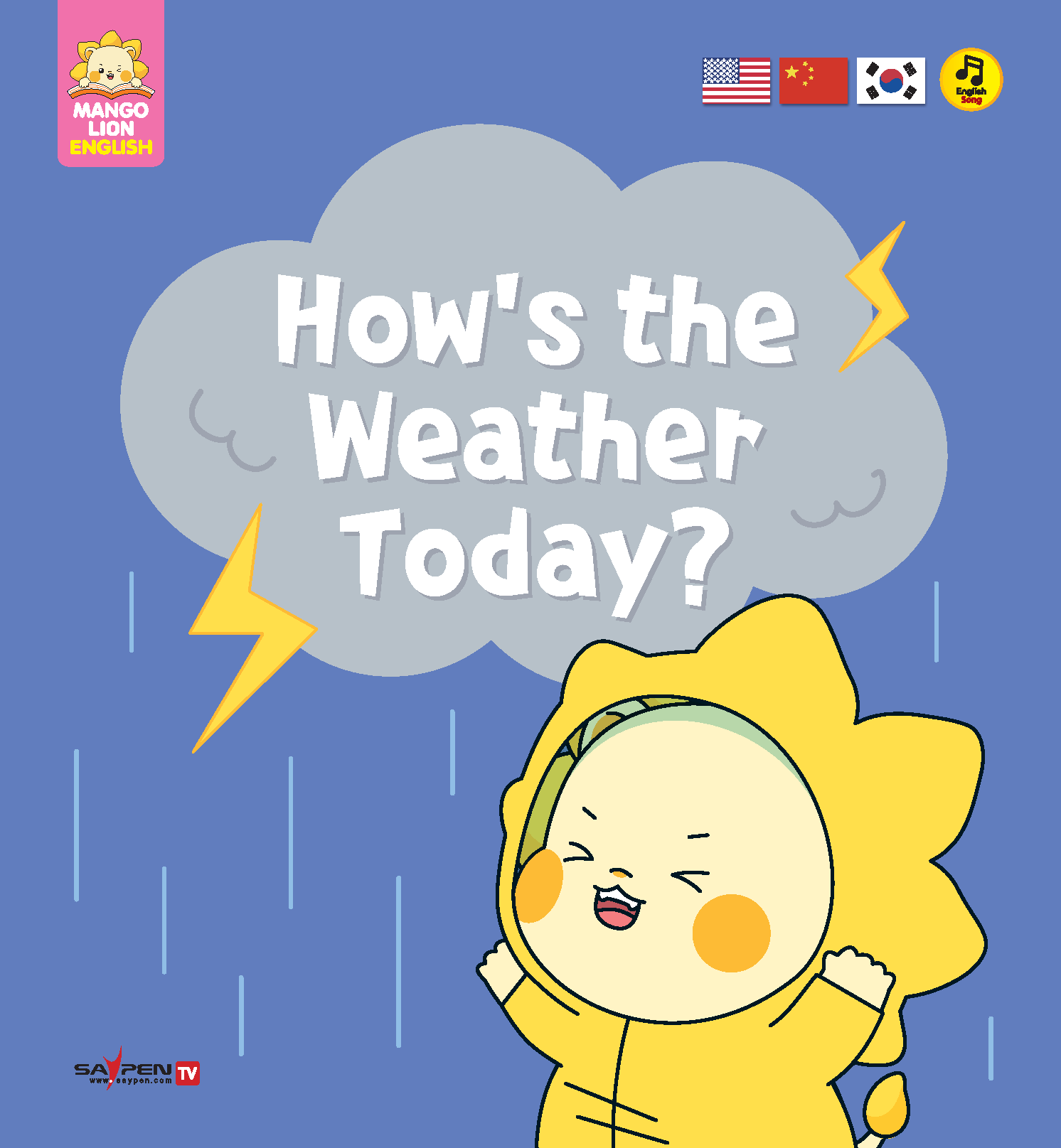
Young readers learn everyday weather expressions, from hot days and popsicles to kites and snowmen, while finding out what the family asks Dad to do on a foggy day.
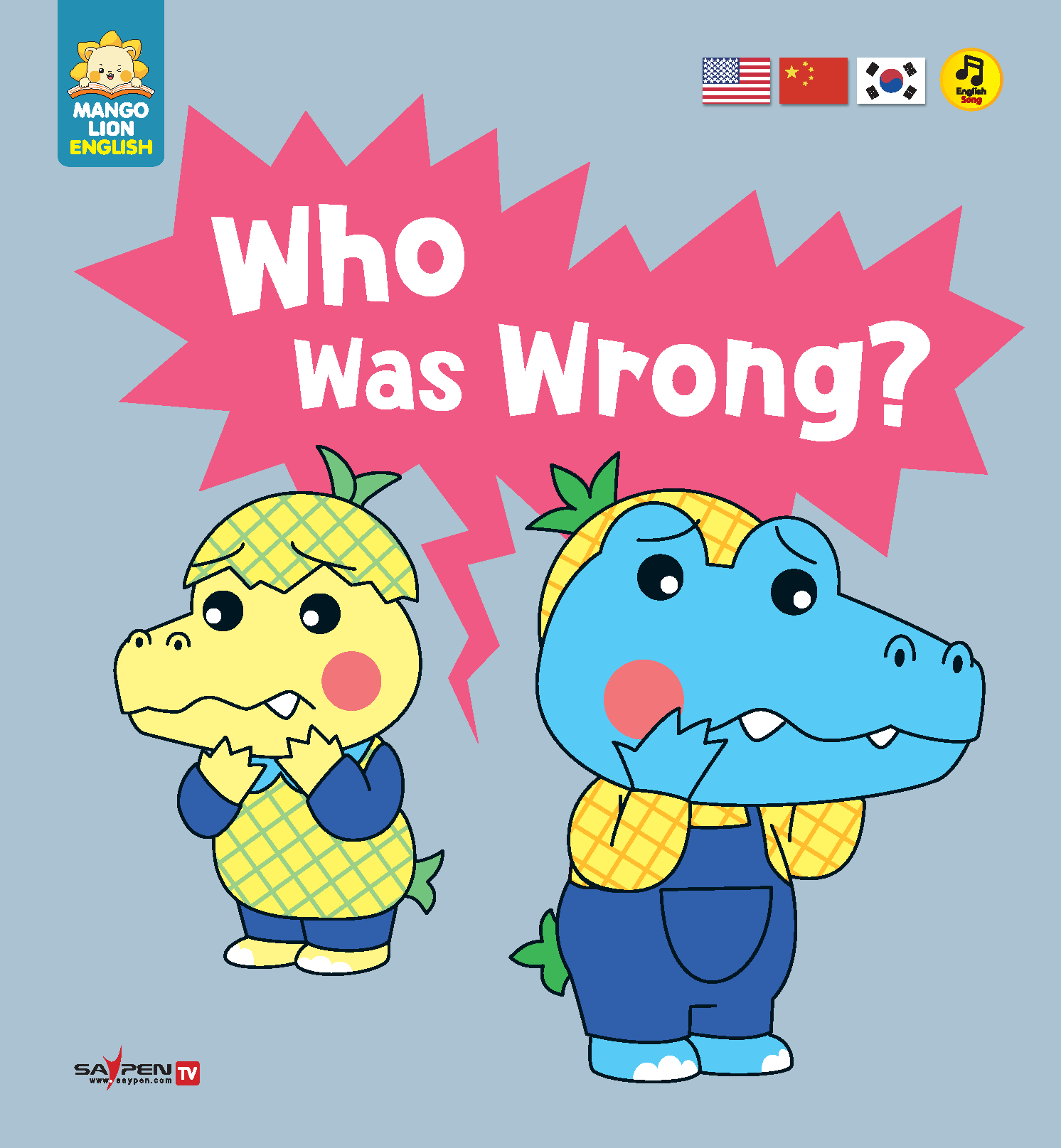
Ally and Coco have an argument, inviting children to explore fairness and responsibility with phrases such as You were wrong, I was wrong, and That's not fair.
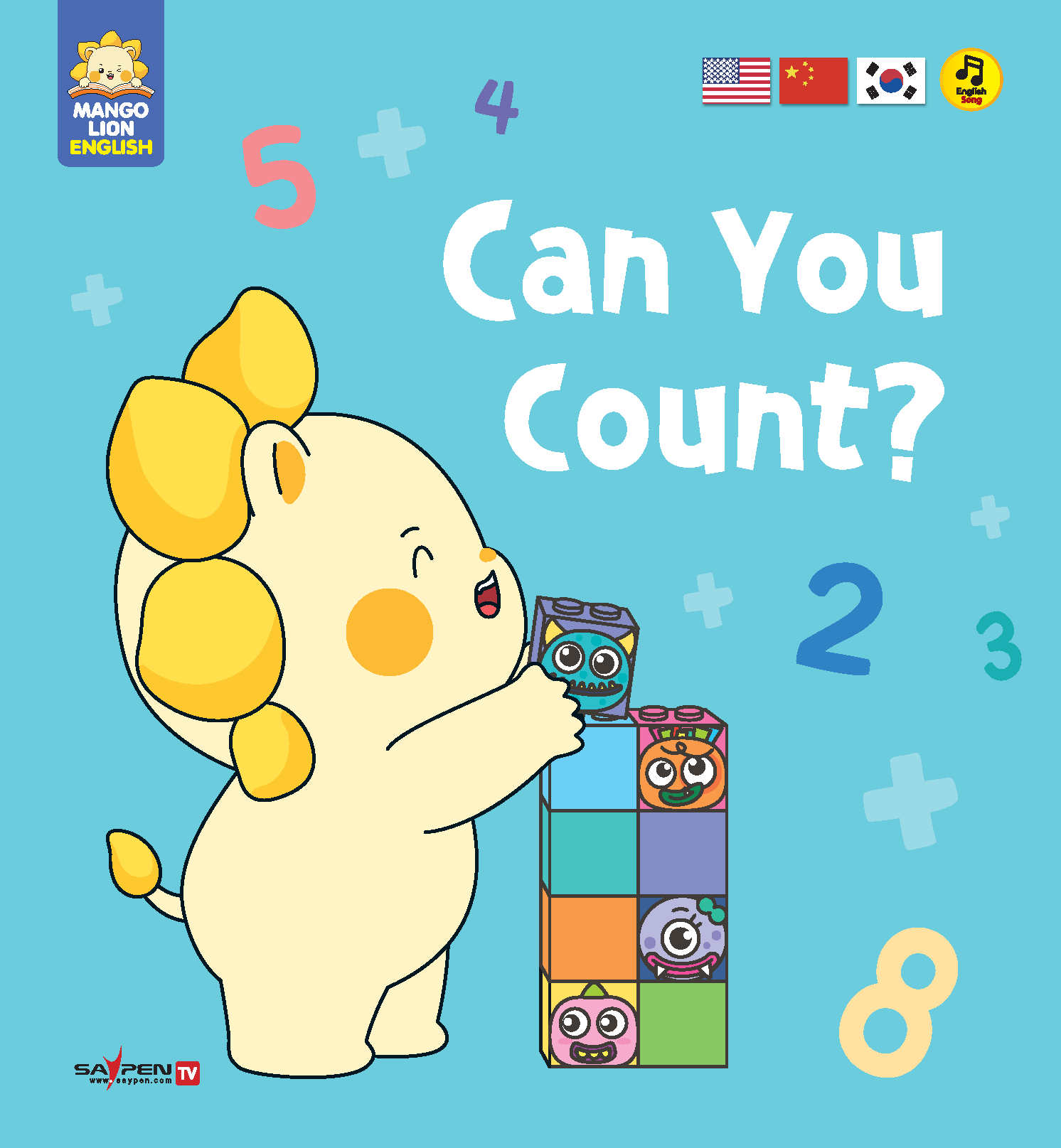
Mango plays with blocks while Dad asks him to count, add, and count backward.
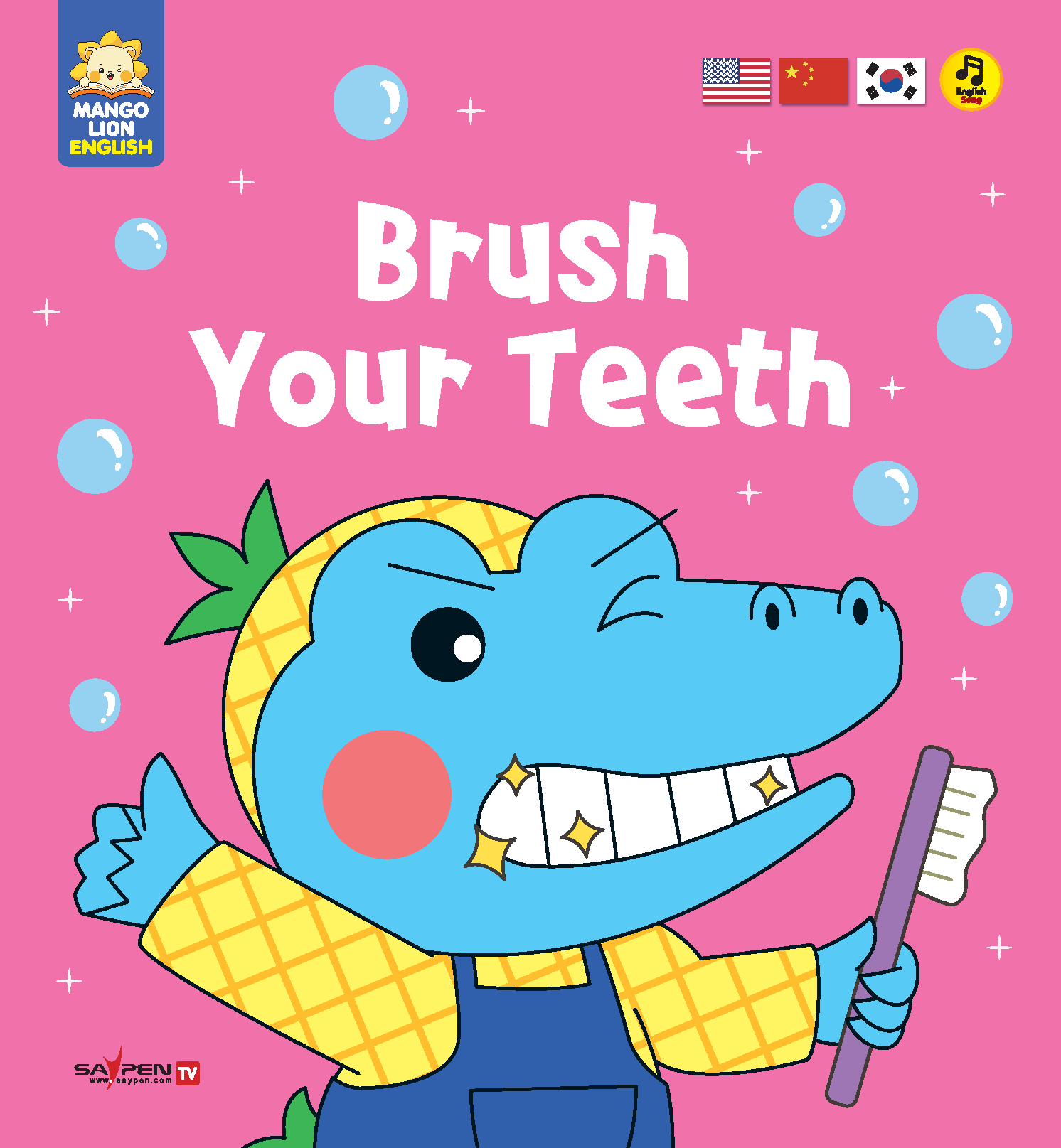
A practical hygiene story that teaches why brushing matters and uses step-by-step phrases such as Put the toothpaste on your toothbrush, Open wide, Brush all around, and Rinse your mouth.
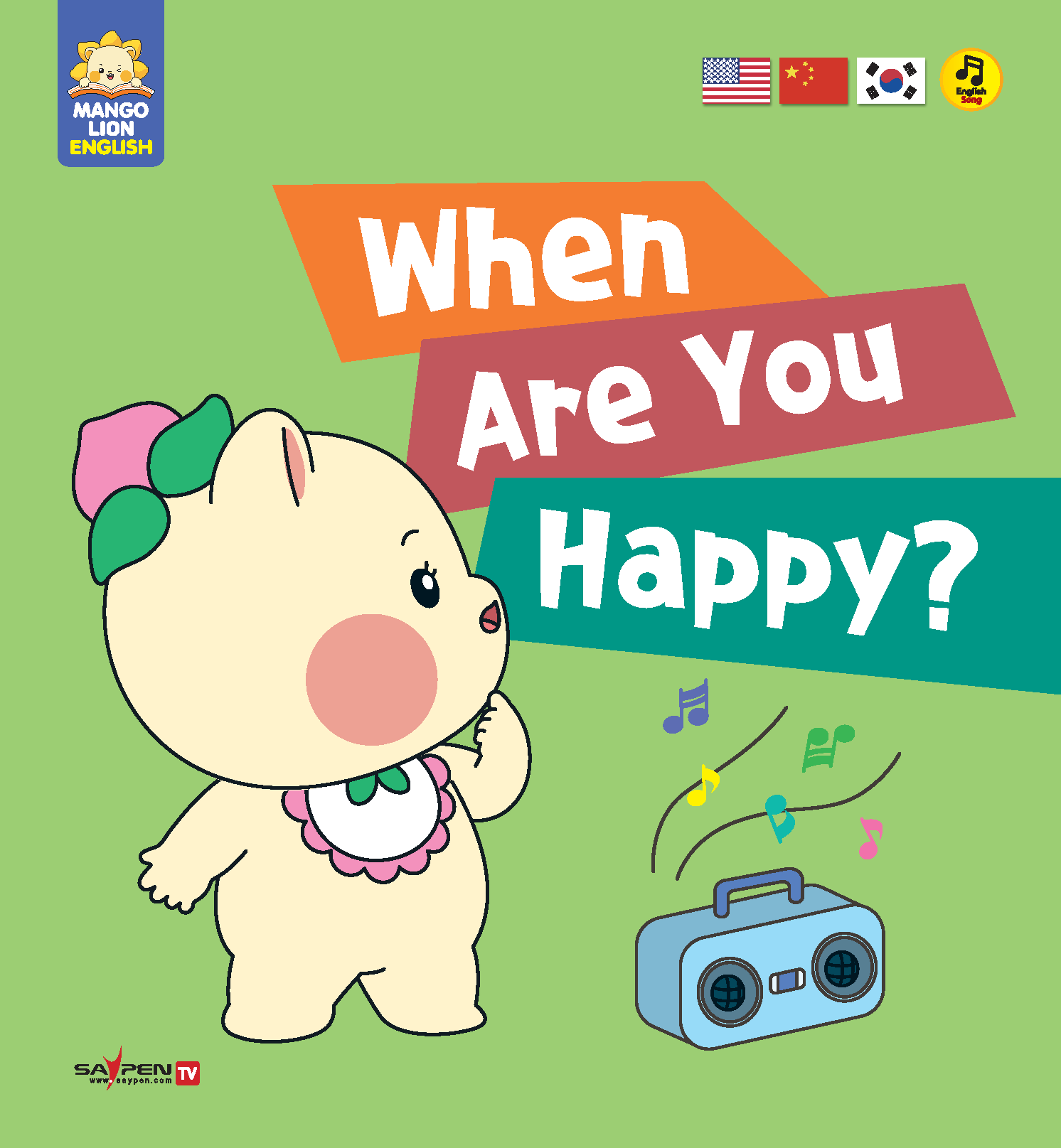
Children explore when they feel happy, from playing with blocks and dancing to eating snacks, drawing, and watching TV, while thinking about what makes Mom and Dad happy.
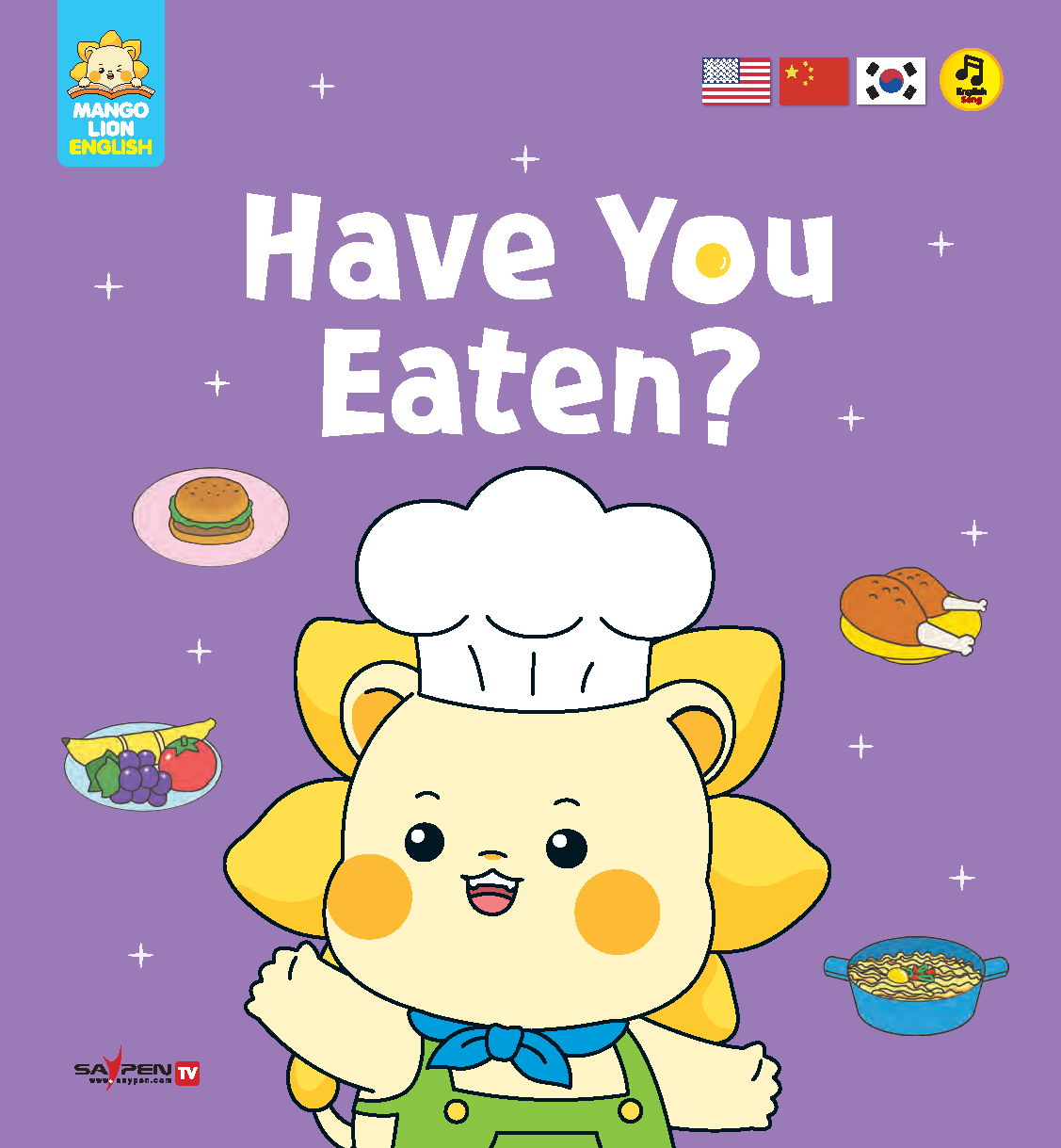
Children practice mealtime questions and answers, including Have you eaten?, What do you want to eat?, Have you eaten well?, and How does it taste?
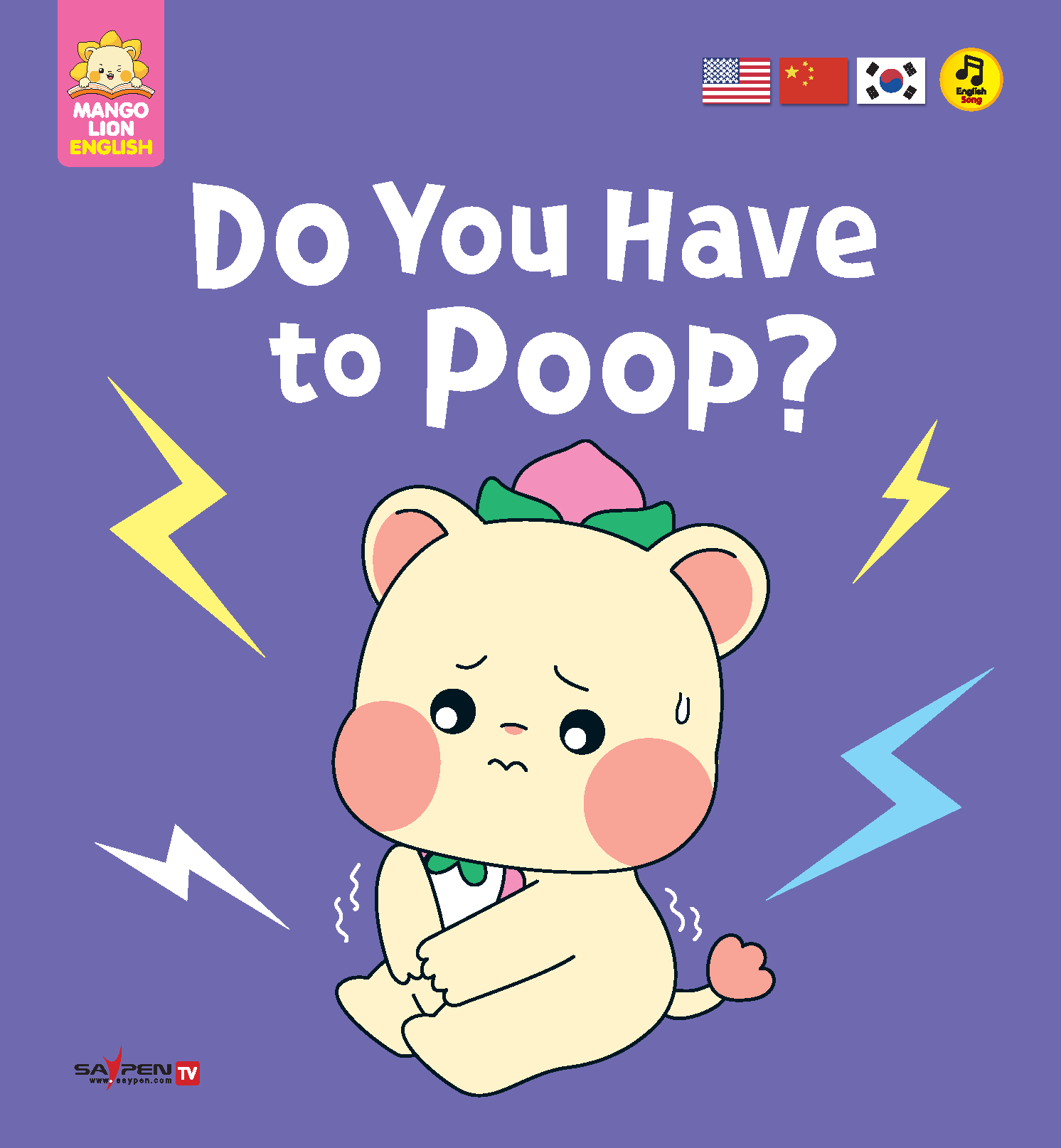
A toilet-training language title that practices expressions such as Do you have to pee?, Do you have to poop?, I have to pee, I have to poop, and Wipe my bottom.
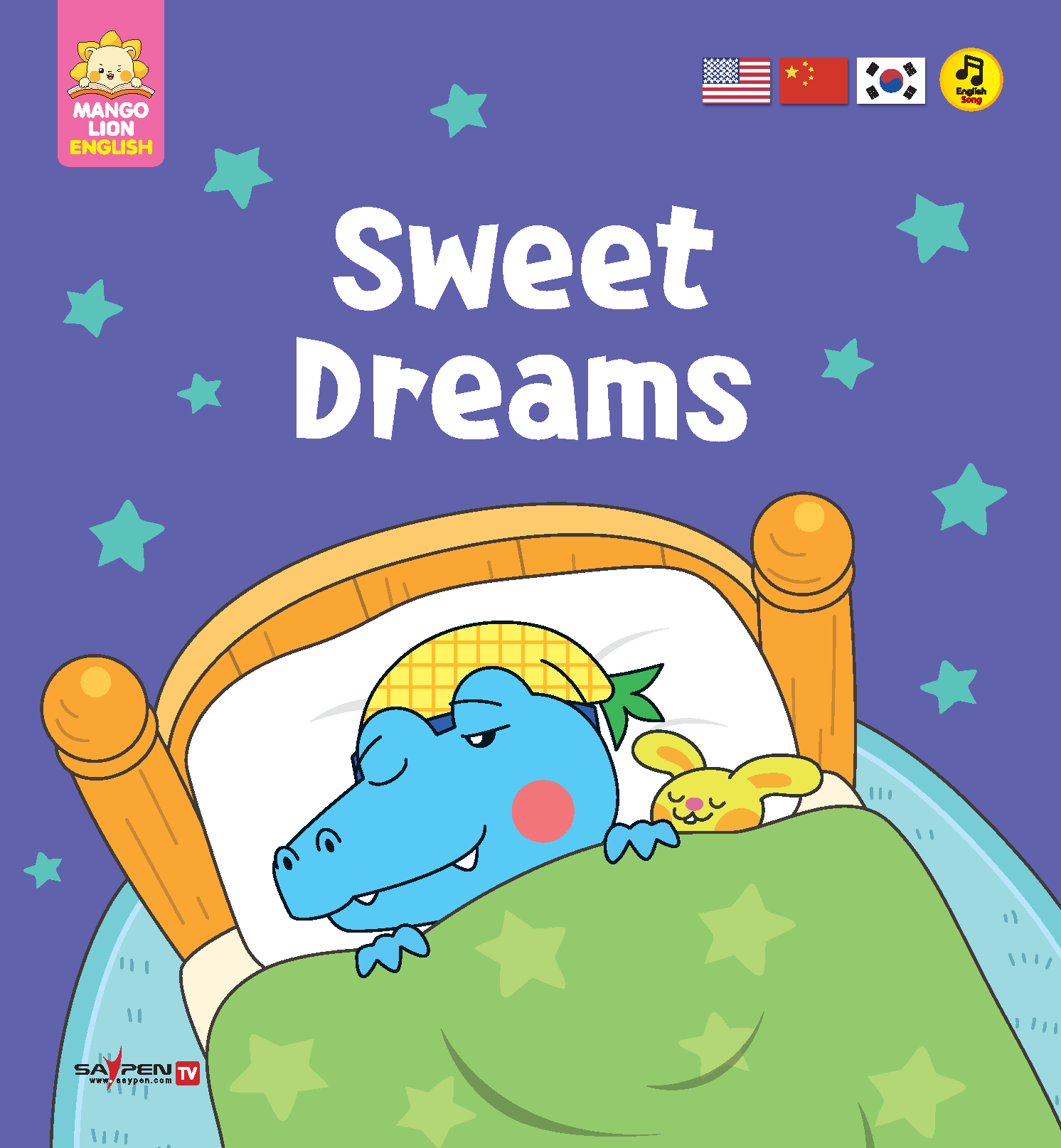
Young readers learn bedtime expressions such as Time to sleep, Sleep well, Sweet dreams, You look sleepy, and I want to play more.
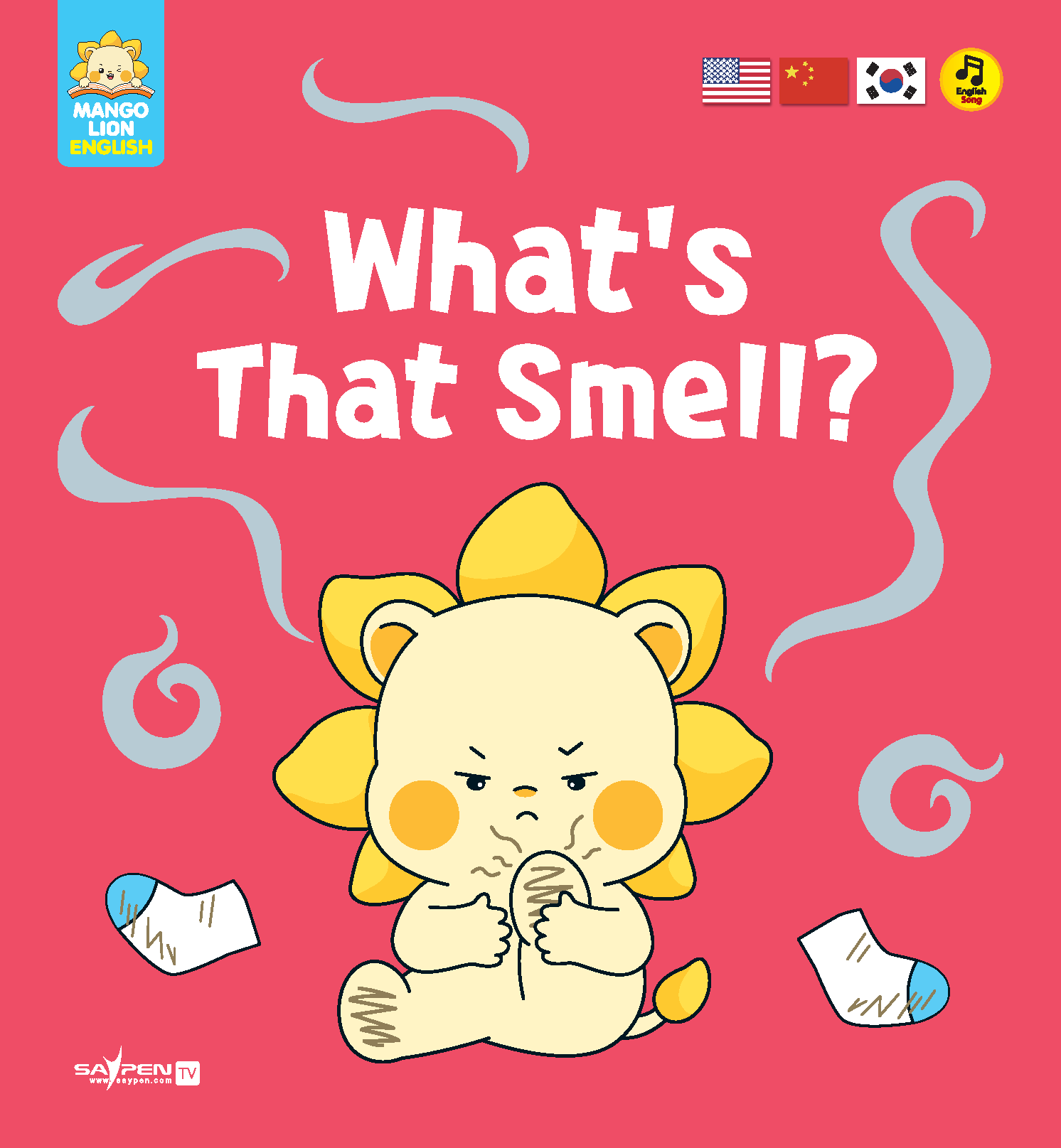
Young readers learn everyday phrases about smells and bath time, including What's that smell?, It smells bad, Let's take a bath, and You smell good.
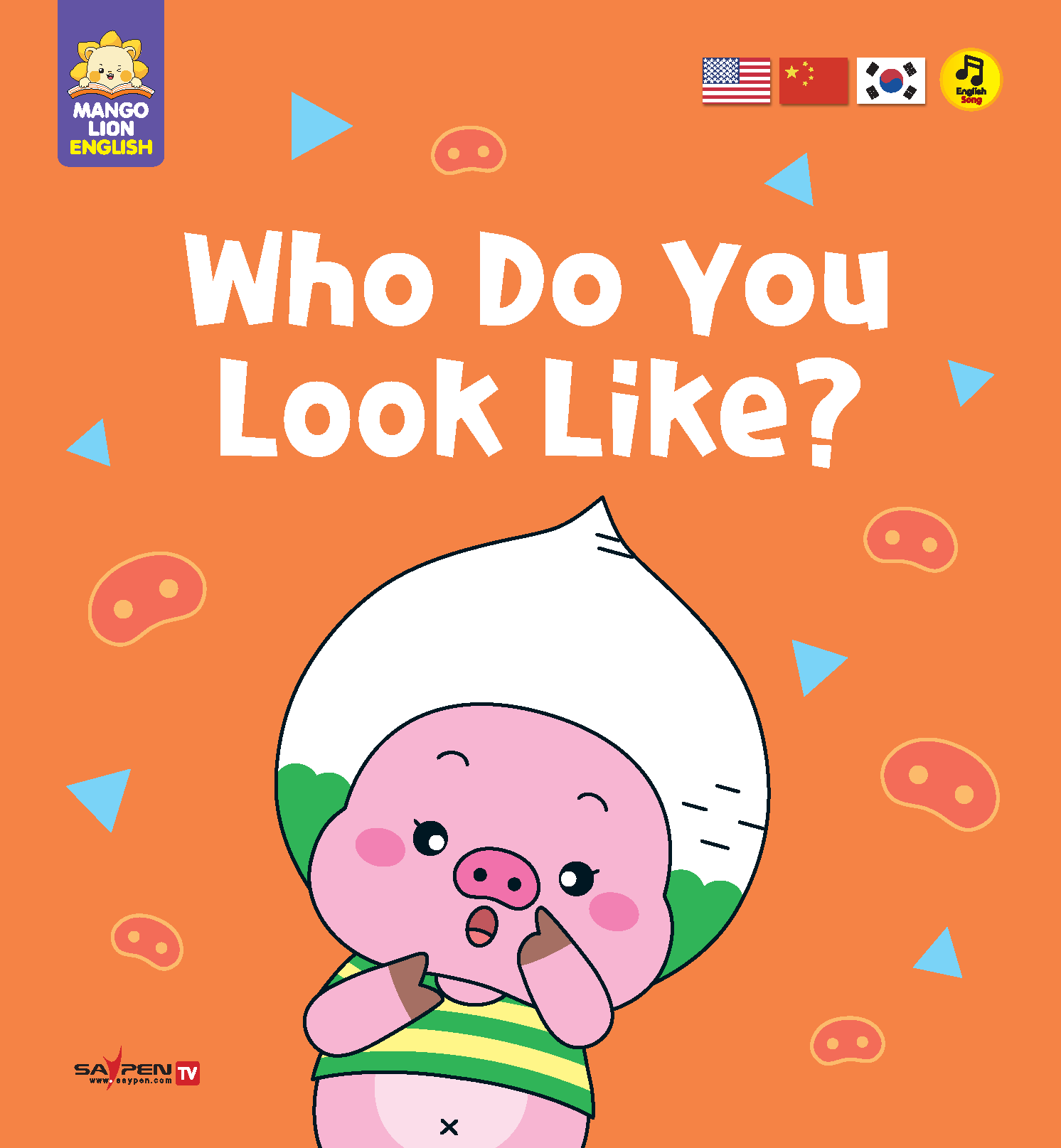
Children talk about facial features and family resemblances with phrases such as Who do you look like?, I look like my dad, and I look like my mom.
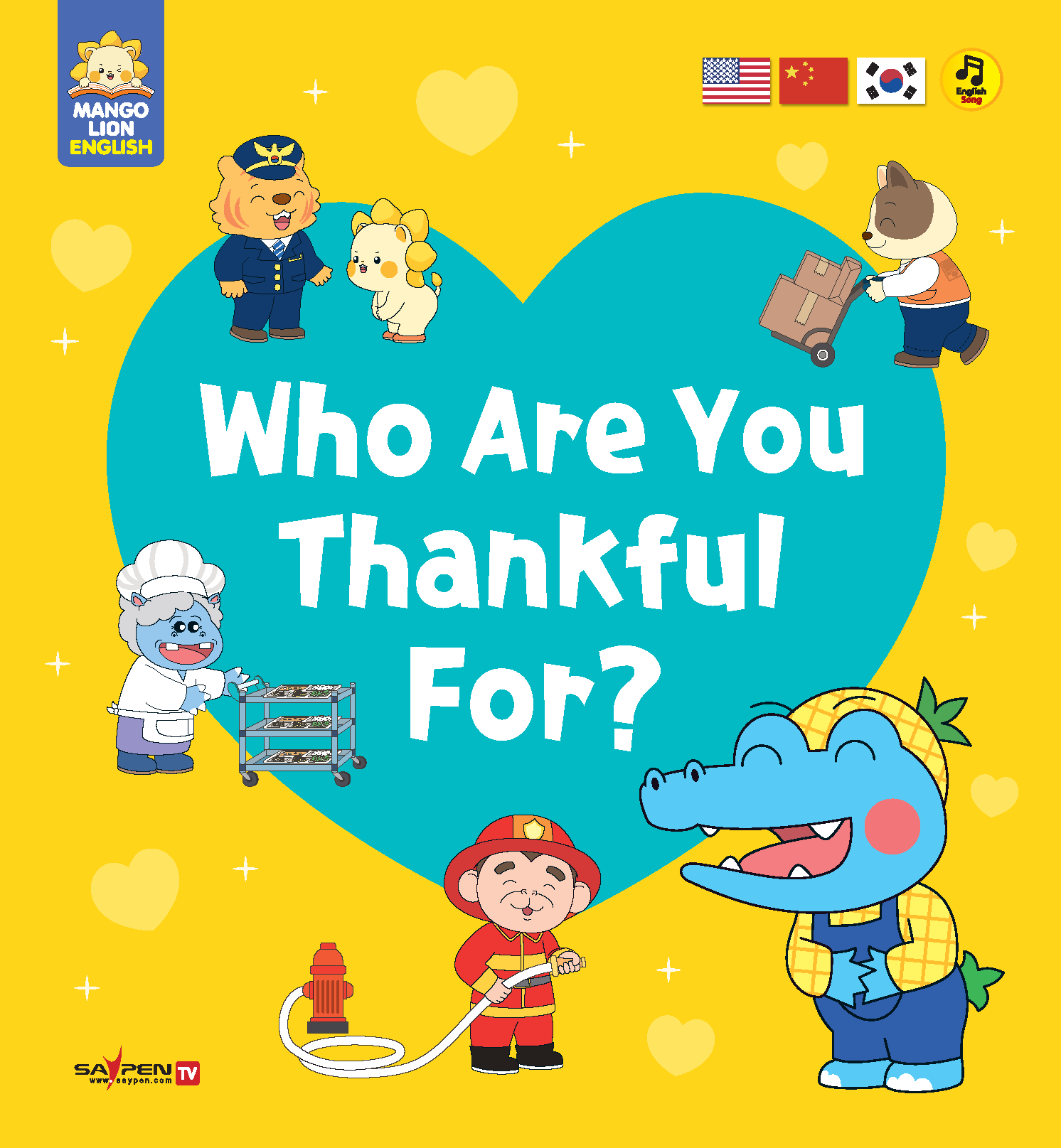
Children express gratitude to the people they appreciate, practicing Who are you thankful for? and Mom and Dad, thank you for loving us.
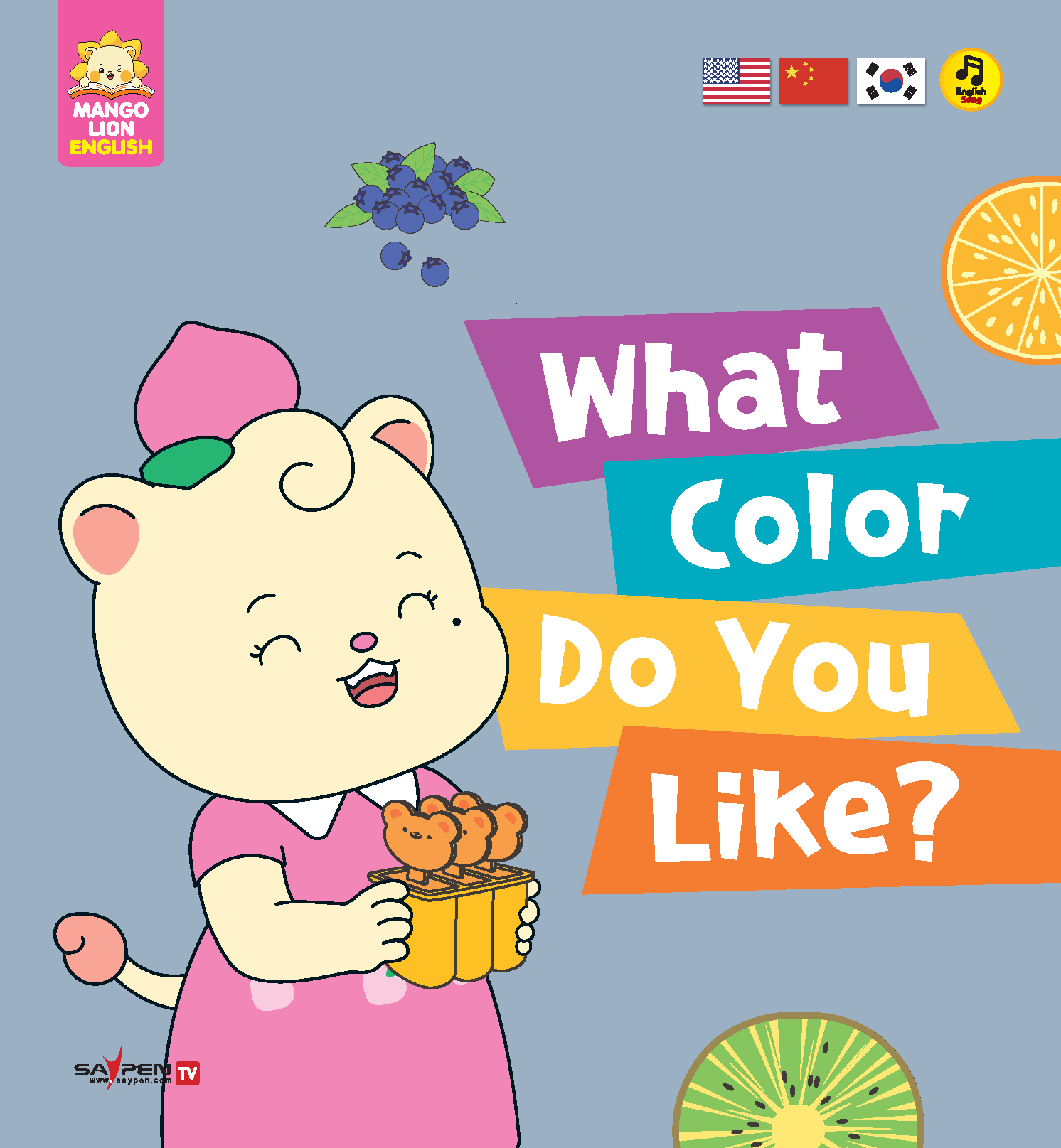
Children make colorful popsicles while practicing color preferences with phrases such as What color do you like?, I like red, and A red popsicle for you.
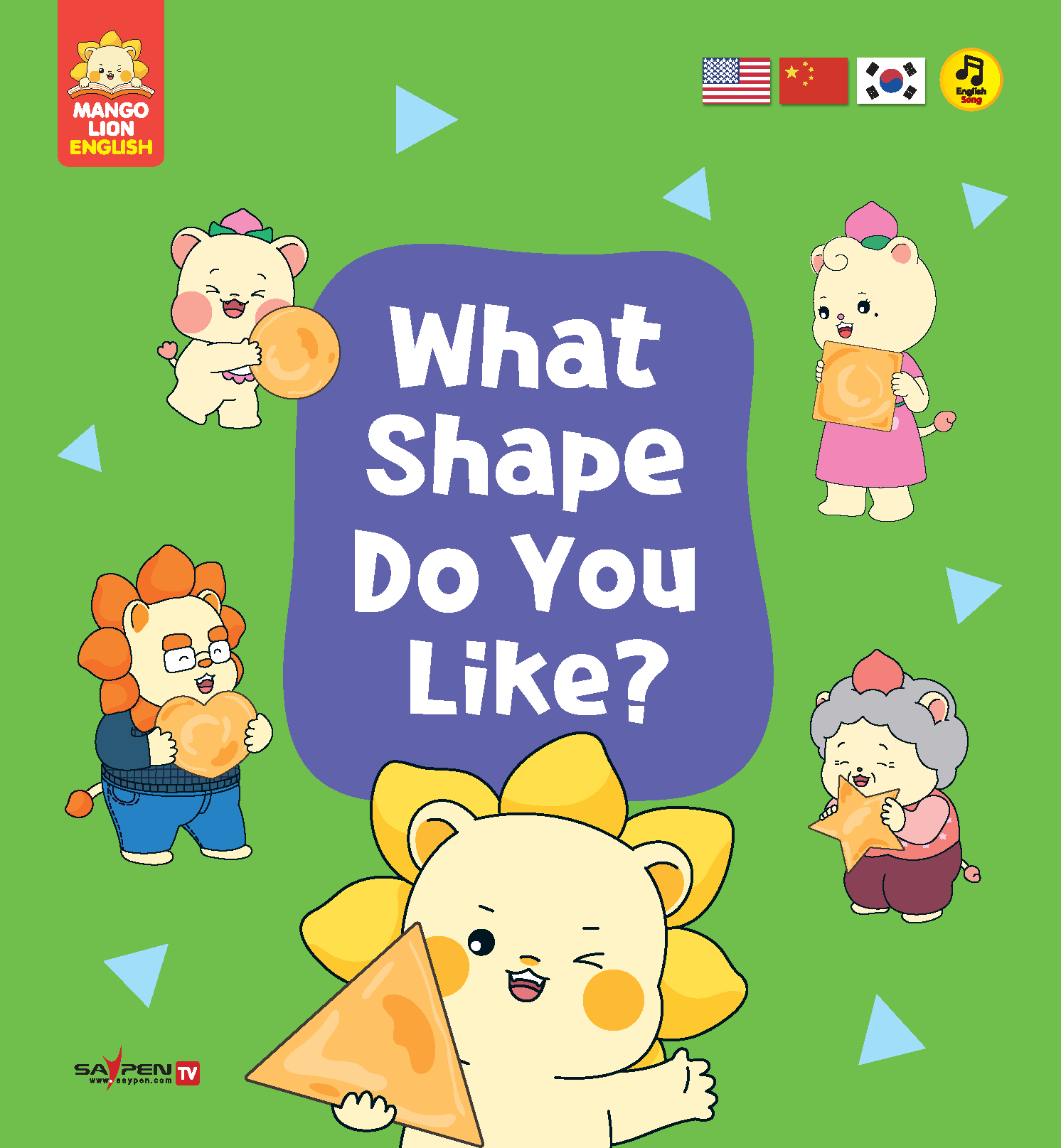
Children make dalgona in different shapes while practicing What shape do you like? and simple shape words such as circles, triangles, squares, rectangles, and hearts.
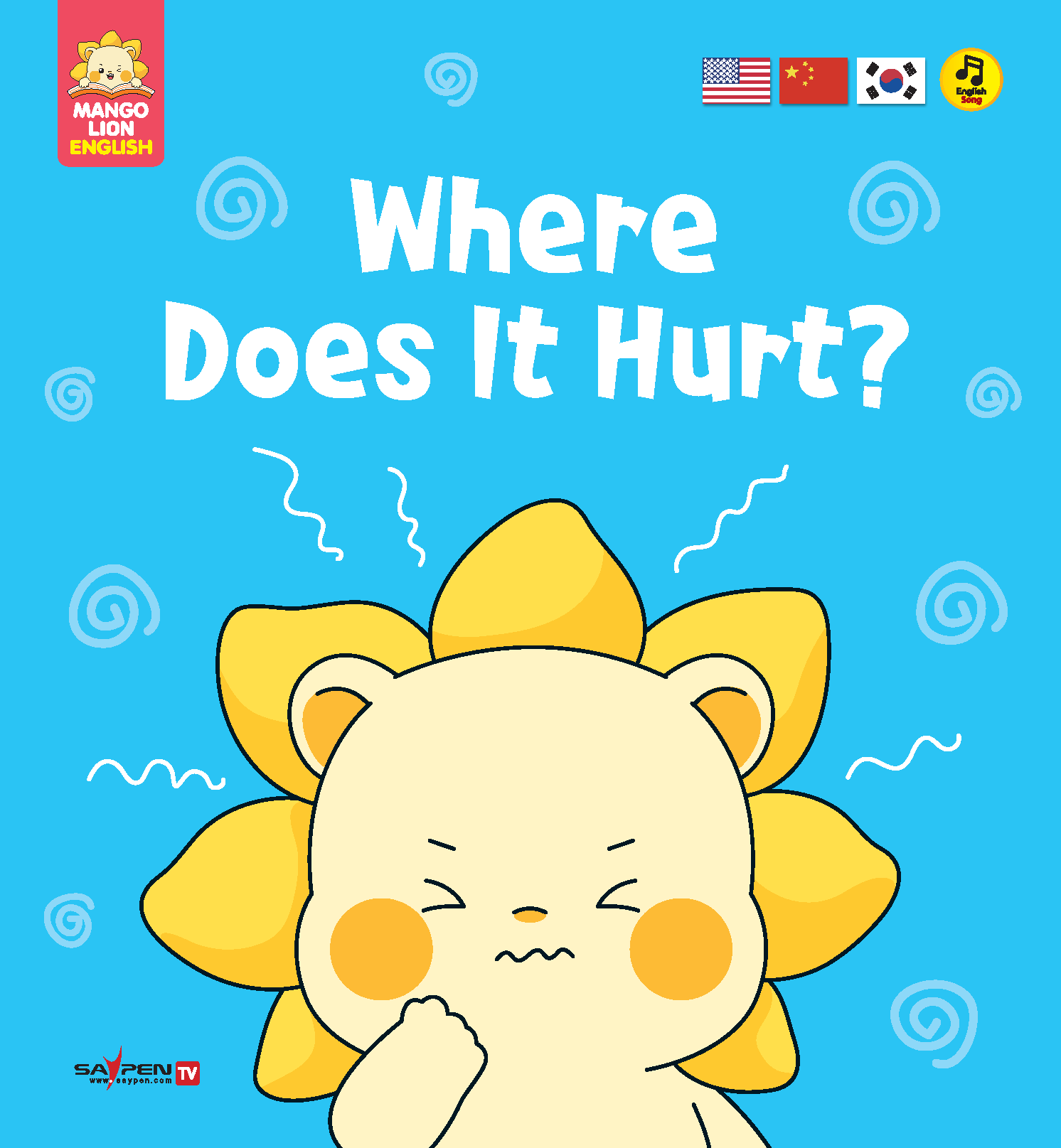
Mango is not feeling well, and children learn to ask Where does it hurt? while practicing symptoms such as a cough, a fever, a headache, and a runny nose.
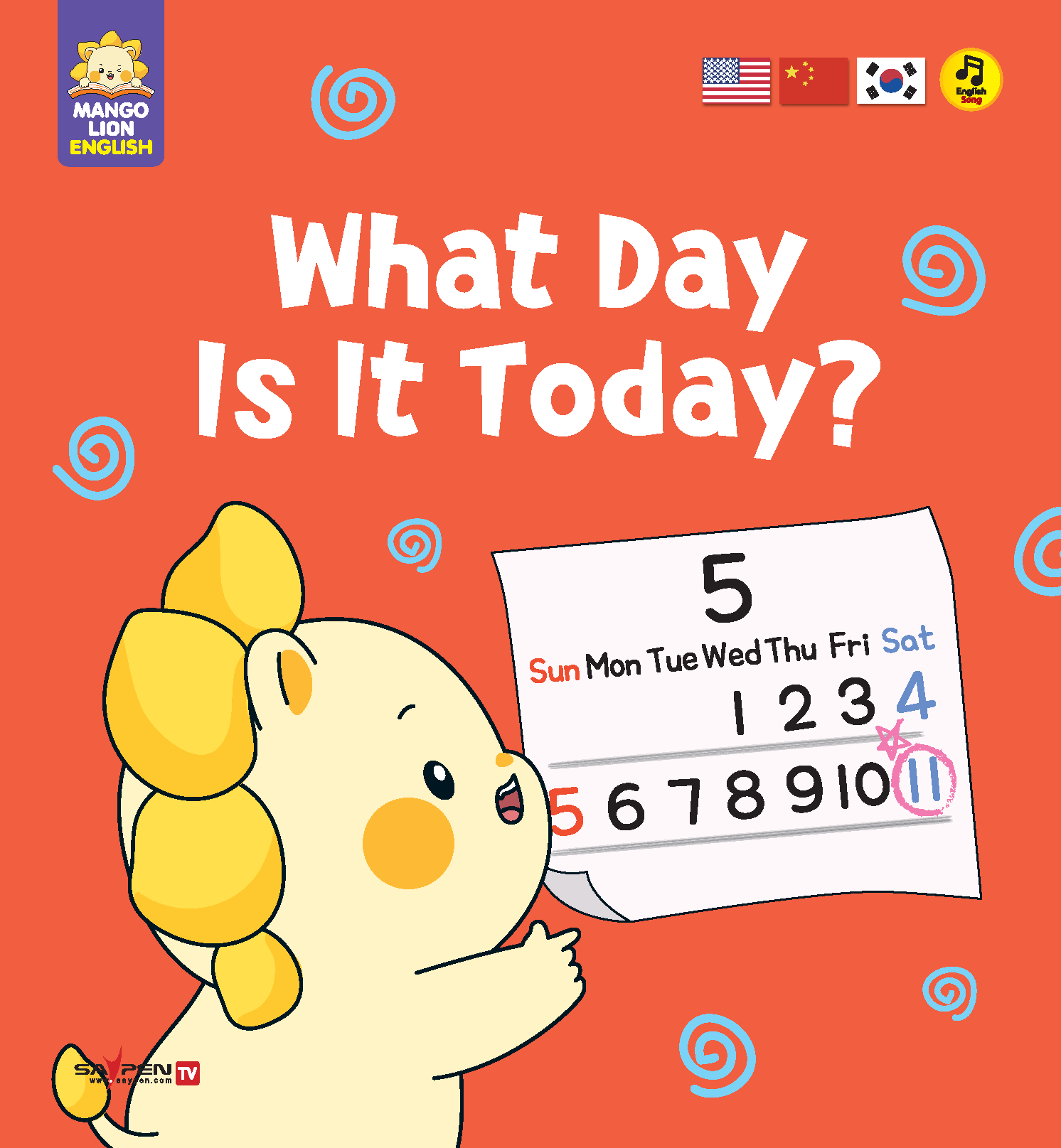
Mango asks Mom what day it is each day, helping children practice the days of the week and the excitement of It's my birthday!