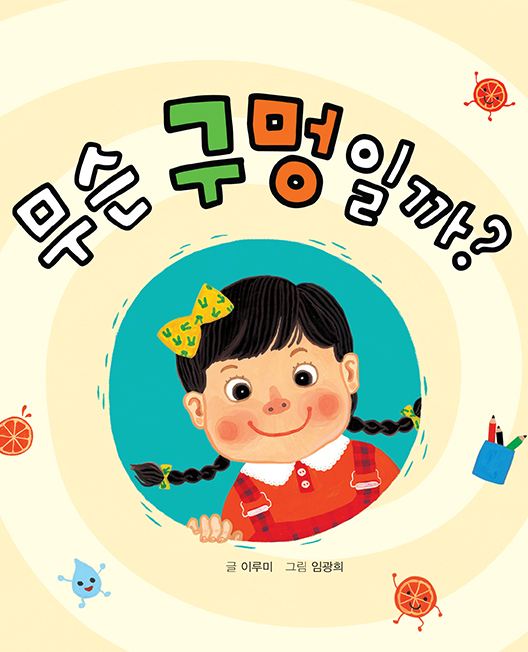
What Kind of Hole Is It?
Eyes, nose, ears, and mouth are openings on our face. We also have openings for poop and pee, as well as sweat pores. What other openings are there in the human body?

Science & Nature
A first science picture-book series that introduces the body, plants, animals, wind, fire, day and night, and other early questions through storytelling. Interactive formats and varied visual techniques stimulate curiosity.
Step 3
Review the books in this series and open available sample previews.
Eyes, nose, ears, and mouth are openings on our face. We also have openings for poop and pee, as well as sweat pores. What other openings are there in the human body?
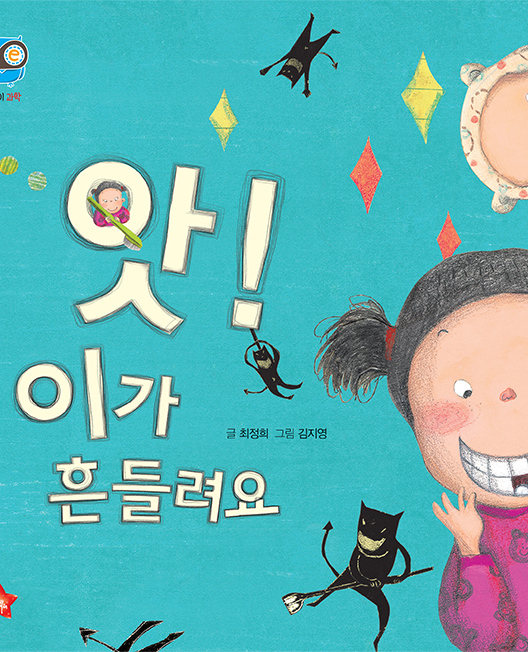
We use front teeth to bite, canines to tear, and molars to grind, so we can eat all kinds of foods. But what should we do when a tooth starts to feel loose?
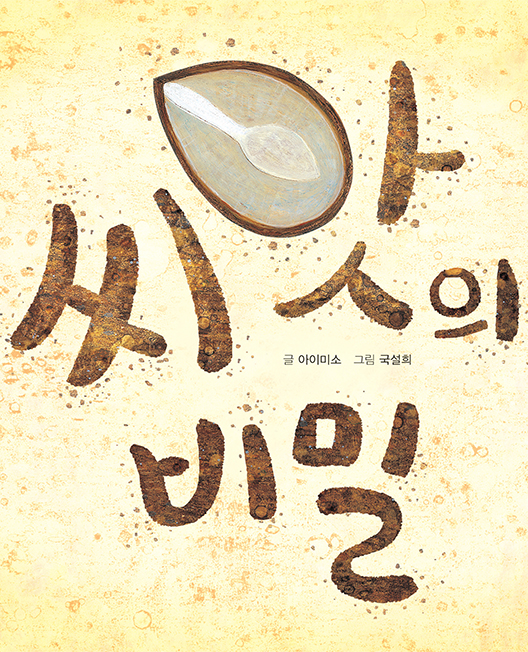
What does a seed become when it sprouts and grows in the soil? Children experience the wonder of nature by watching how seeds grow.
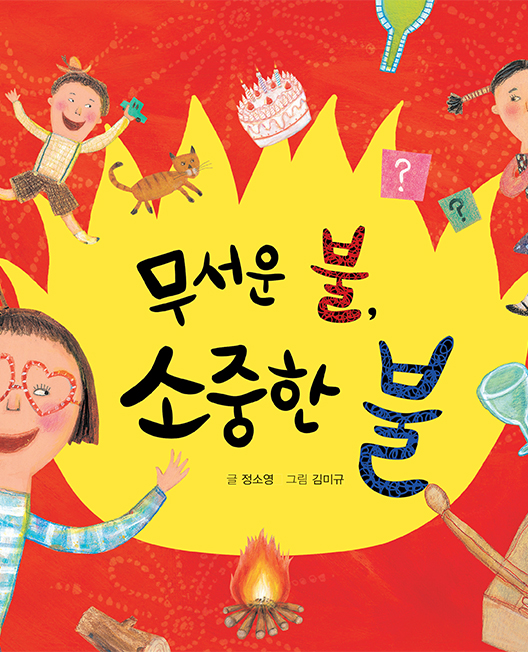
Fire can be frightening because it can burn everything. But candles, wood fires, and gas flames can also be useful. How should we handle fire safely?
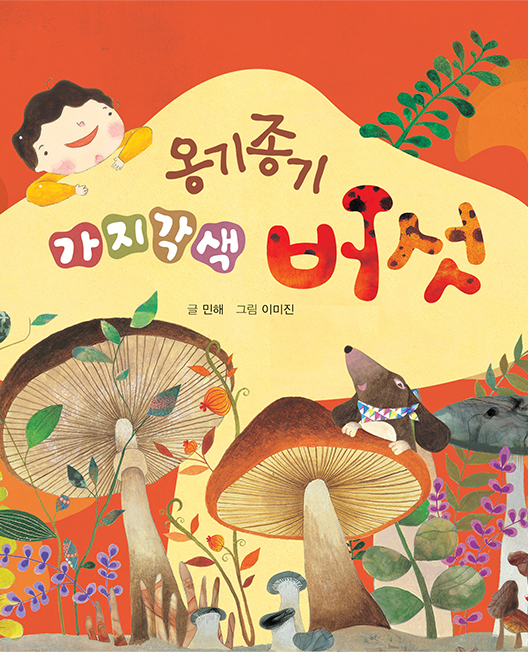
Mushrooms come in many colors, shapes, and textures: colorful, pointy, soft, and smooth. Let's look for mushrooms hidden throughout the forest.
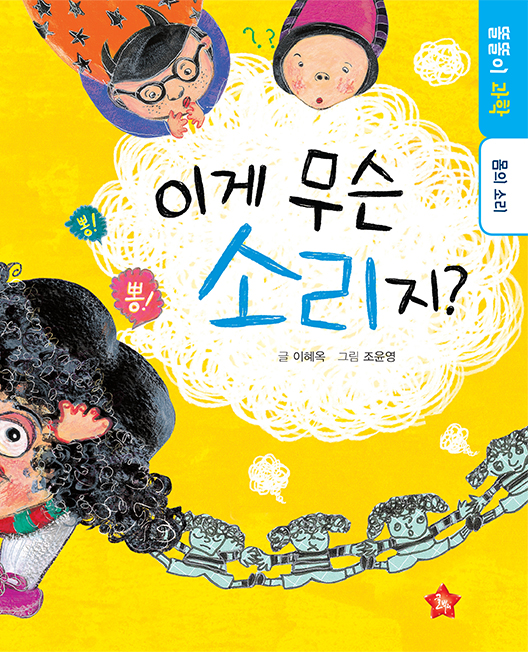
Sneezes, hiccups, thumps, stomach rumbles, yawns, gulps, and toots: this playful first science book invites children to listen to body sounds and guess what each one means.
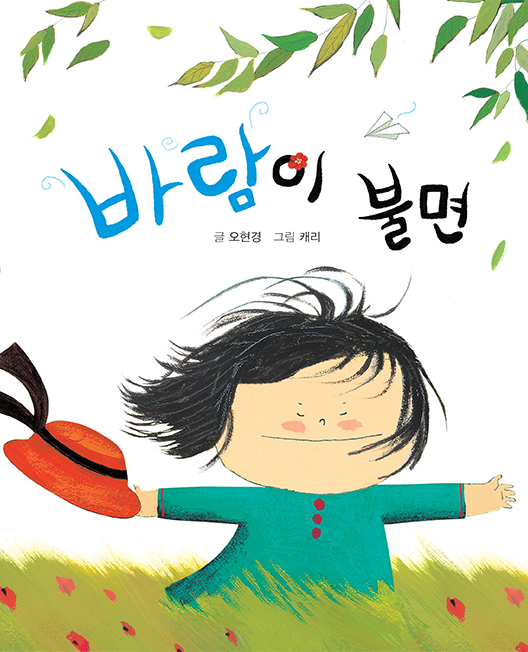
The wind blows Noah's hat away. Noah tries to catch it, but it flies even farther. Will Noah be able to find the hat?
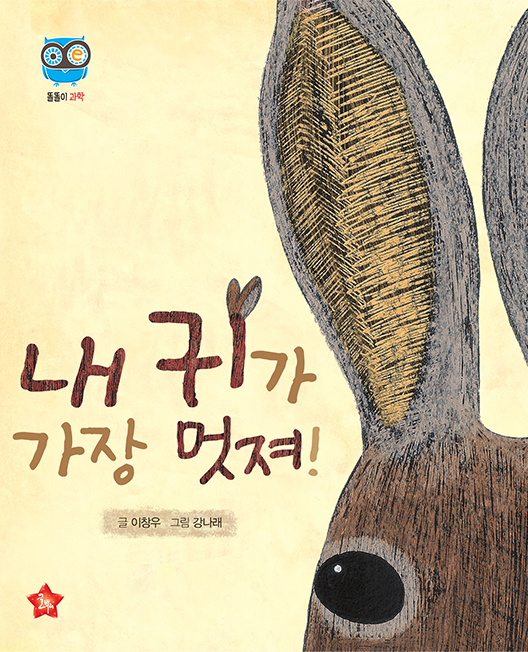
The rattlesnake says the aardvark's ears are much cooler than the fennec fox's. Feeling jealous, the fennec fox goes to find the aardvark. Whose ears are really the best?
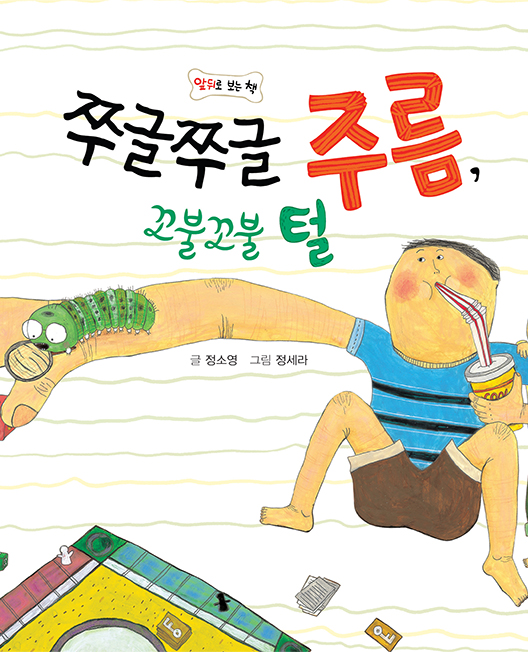
Crinkly, wrinkly, finely lined skin. Fluffy, prickly, soft fur. What jobs do wrinkles and fur do?
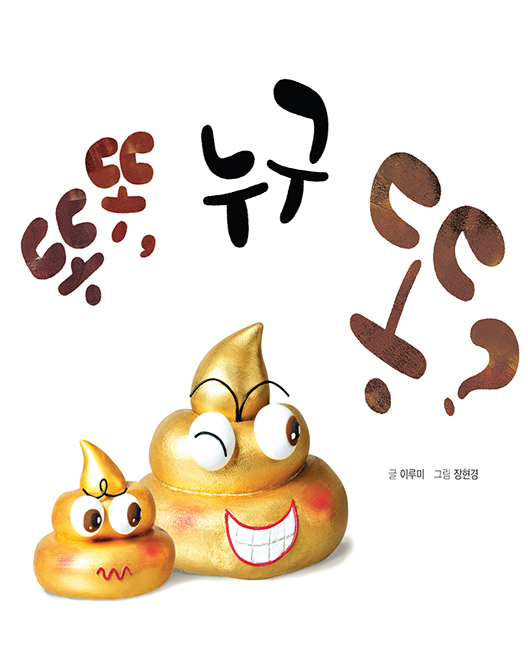
Small round poop, long thin poop, fragrant poop, and bouncing poop: children observe different animal droppings and guess whose they are in this playful first science book.
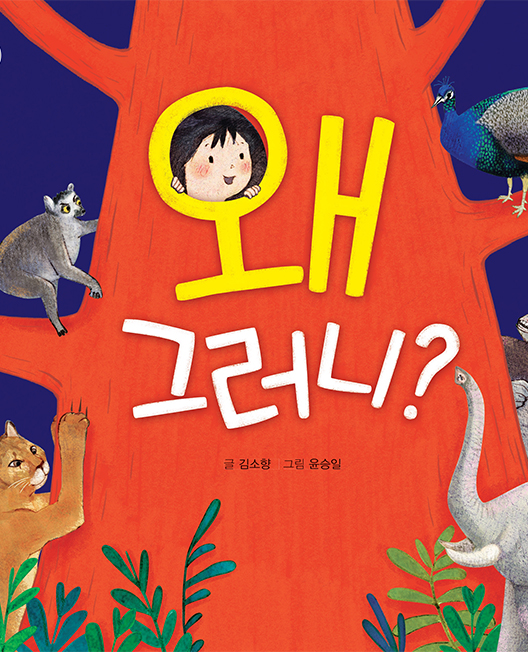
Why does a skunk spray a strong smell? Why does a puma scrape and sharpen its claws? This book asks why animals behave in these ways.
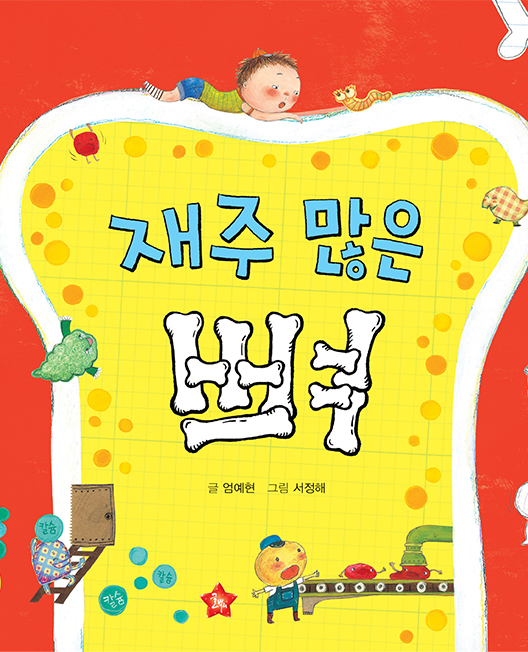
Bones cannot be seen in a mirror or in an ordinary photo. Hidden inside the body, they protect our organs and support us.
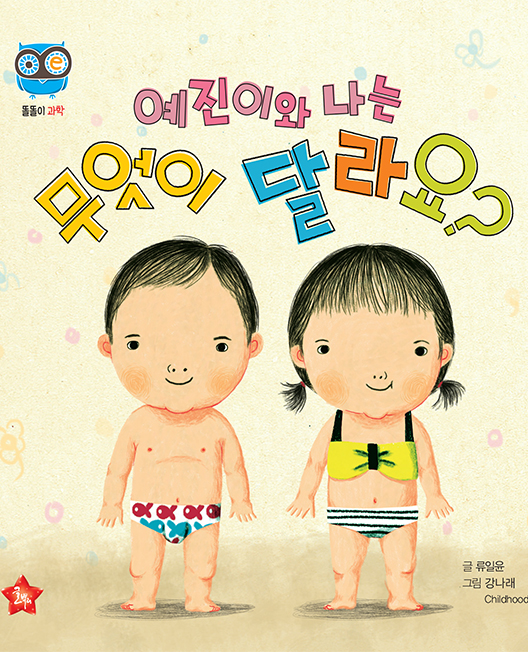
Female and male tree frogs, rhinoceros beetles, peacocks, and deer are different from one another. How are Yejin and I different?
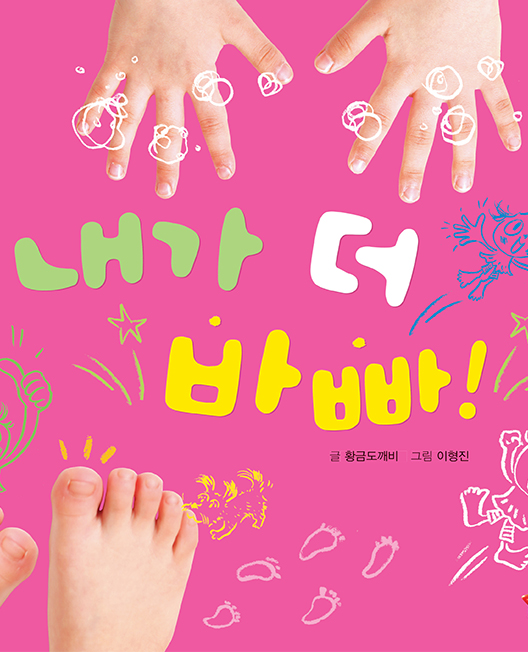
Hands are busy brushing teeth and washing faces. Feet are busy walking, running, and putting on shoes. What can busy hands and feet do when they work together?
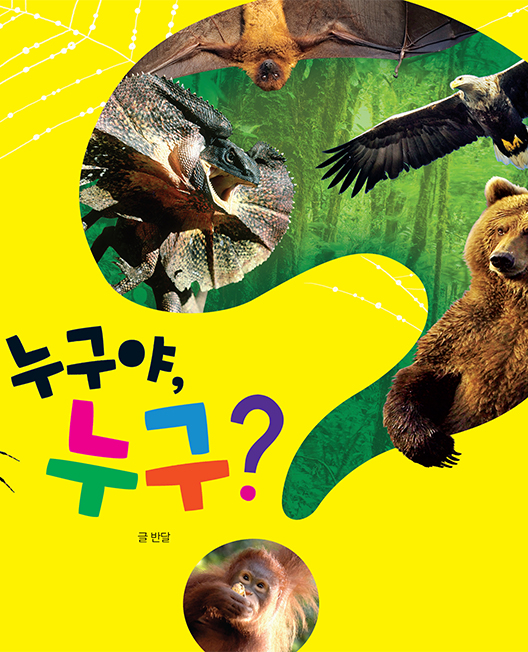
Whoosh, splat, crash! A loud sound suddenly breaks the quiet of the forest. Who is making that noise?
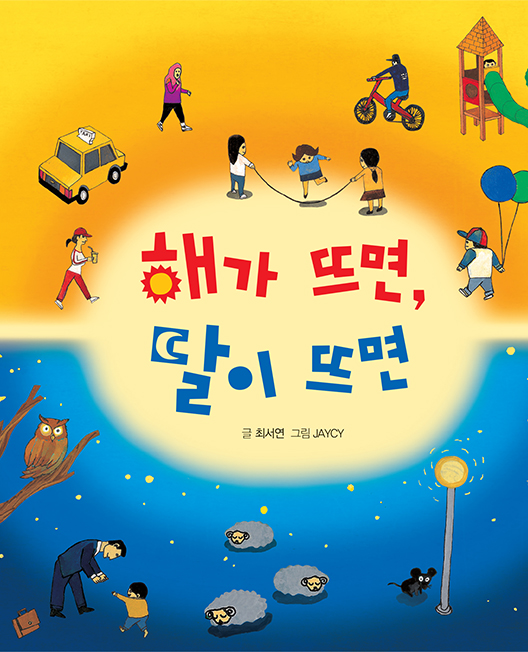
When the sun rises, people wake up and begin their day. When the moon rises, everyone goes home to sleep, except the hooting owl.
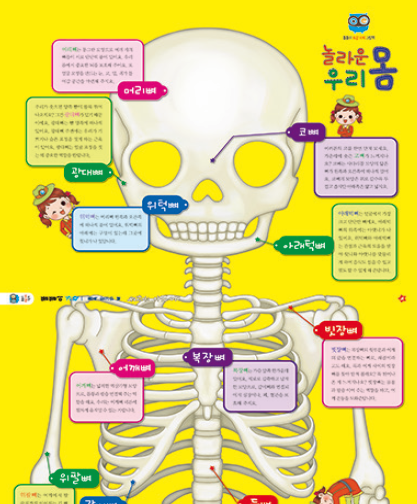
Inside our bodies are many amazing organs and parts, including the brain, heart, lungs, blood vessels, stomach, liver, and muscles. This book looks closely at what they do.
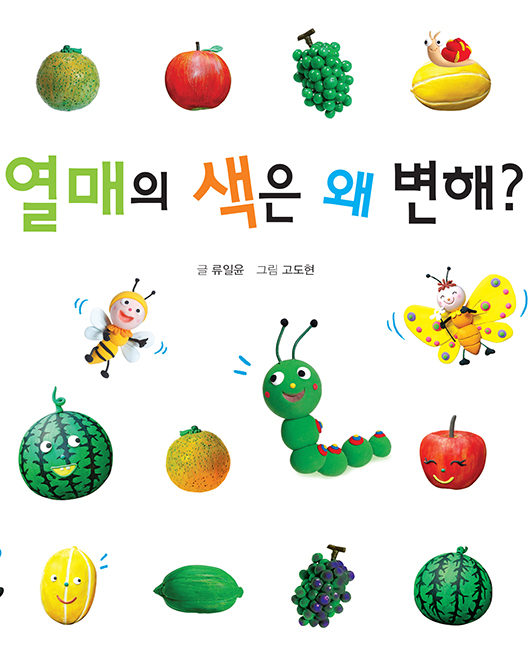
As fruits grow in sunlight, their colors change into red, yellow, green, purple, and orange. This first science story helps children wonder why fruits change color as they ripen.
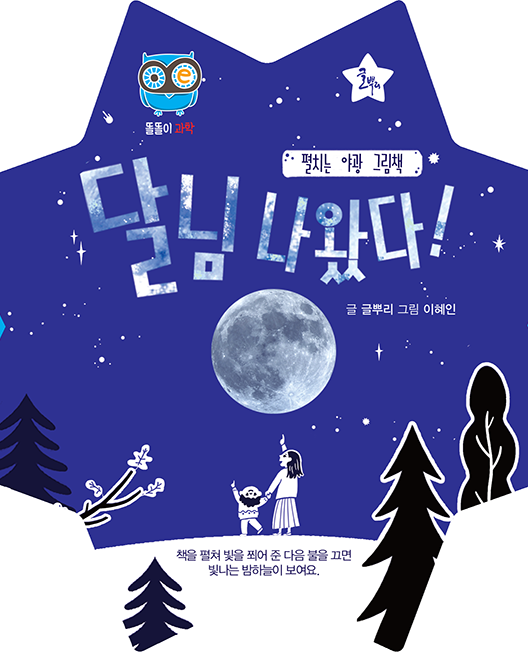
A crescent moon like a fingernail, a first-quarter moon like a fan, a full moon like a ball, a last-quarter moon like a pillow, and a waning crescent like an eyebrow. Children observe the moon in its many shapes.