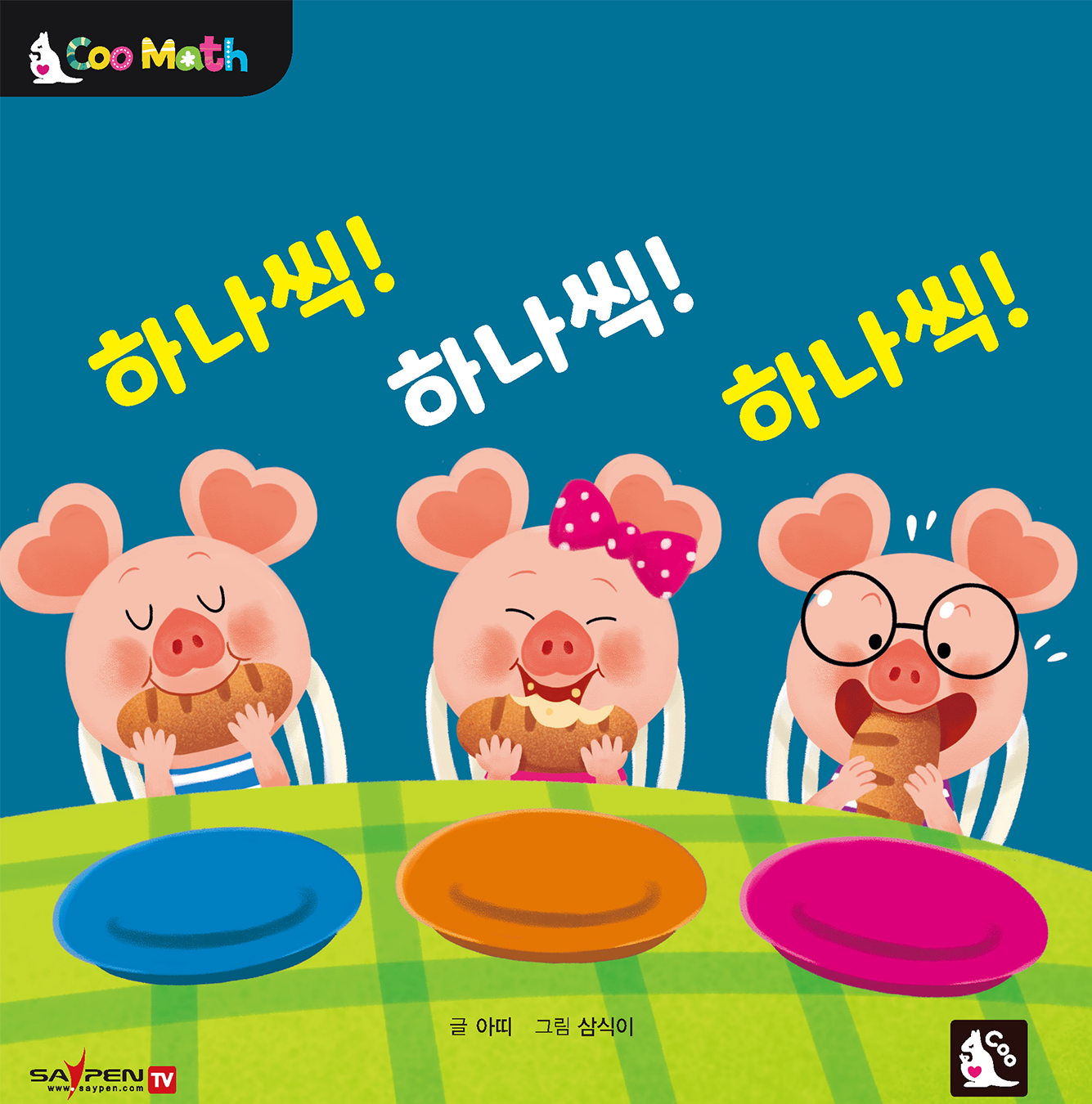
One by One! One by One! One by One!
Three little pigs wake up and each take one piece of bread, one toothbrush, one coat, and one scooter. But there is only one ball. This story introduces one-to-one correspondence and early number sense.
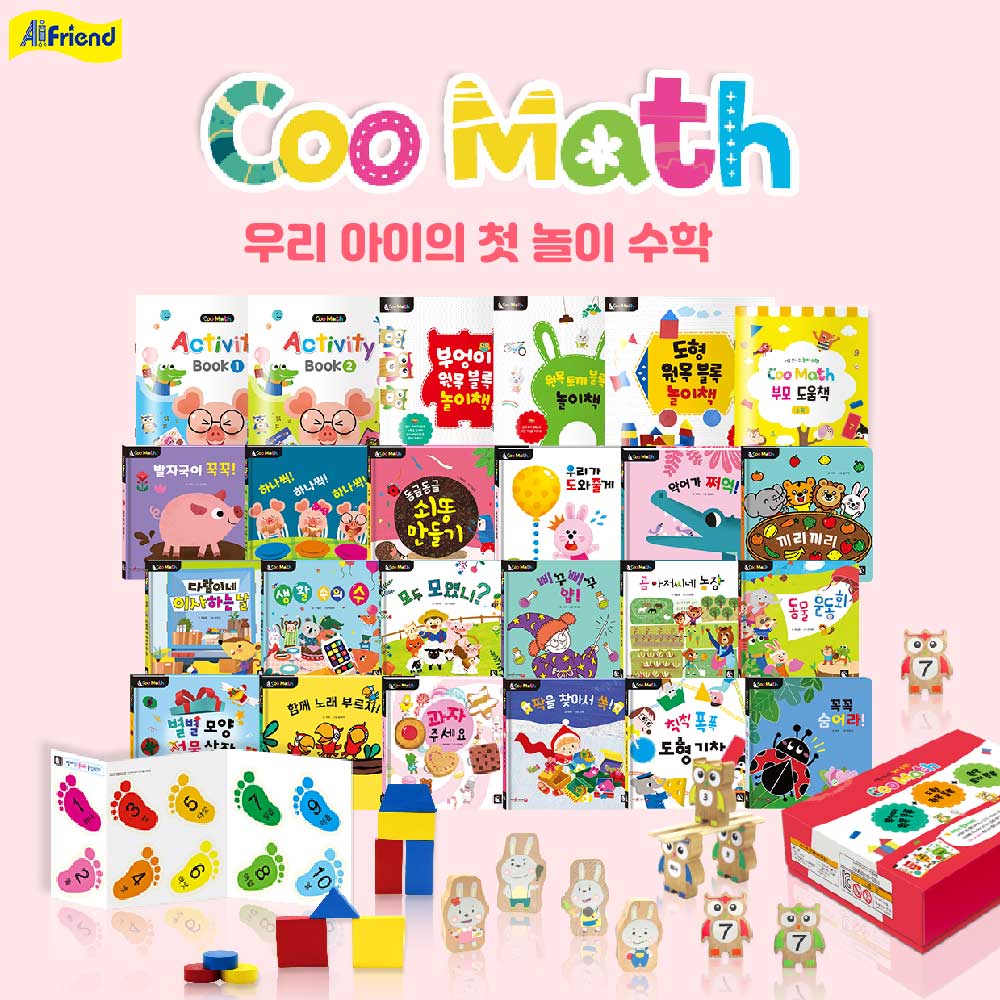
Mathematical Thinking
A first math picture-book series that helps young children experience numbers, shapes, comparison, classification, patterns, and spatial concepts through everyday stories, interactive books, and hands-on materials.
Step 3
Review the books in this series and open available sample previews.
Three little pigs wake up and each take one piece of bread, one toothbrush, one coat, and one scooter. But there is only one ball. This story introduces one-to-one correspondence and early number sense.
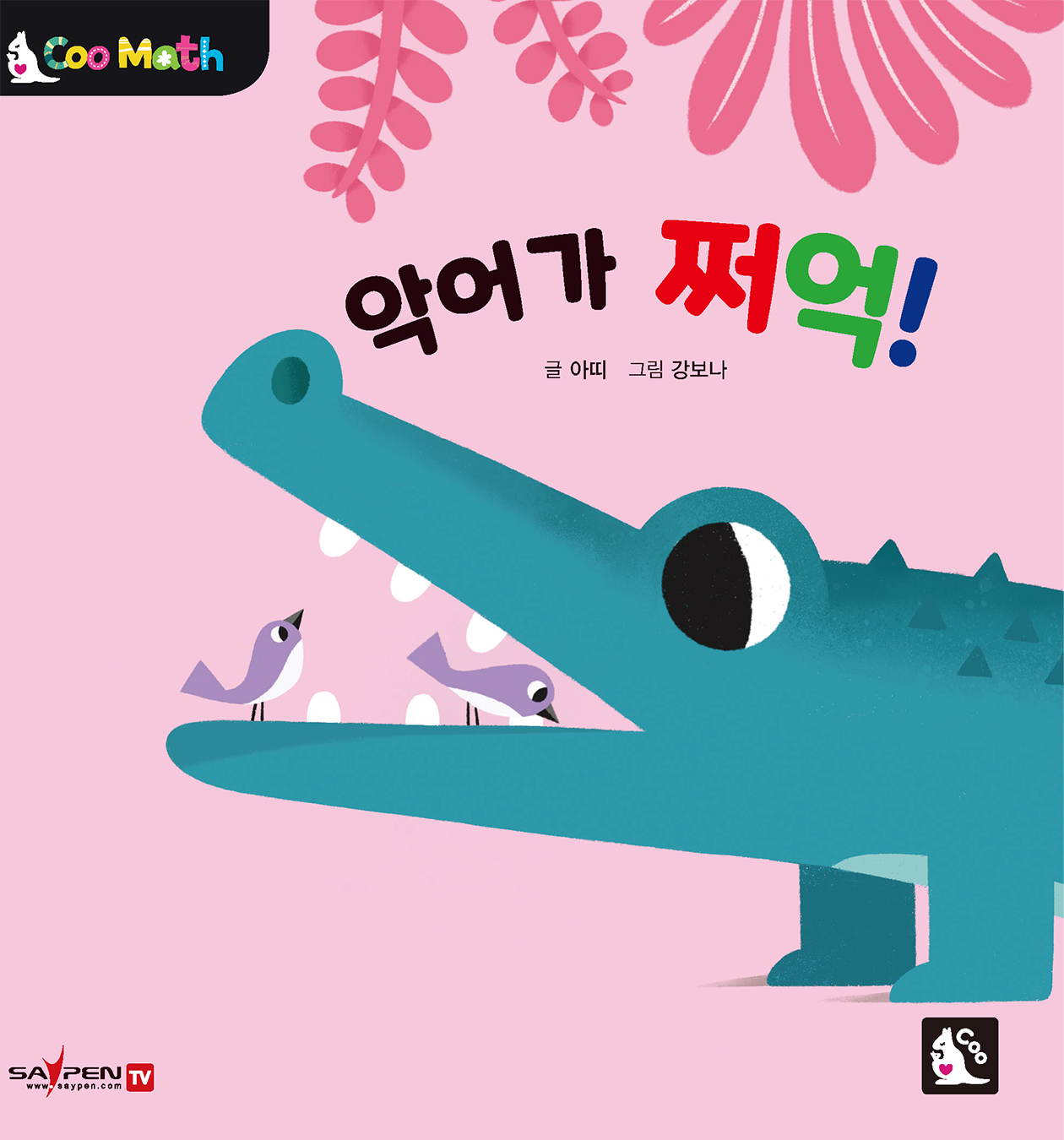
Children count one baby bear, two crocodile birds, three fish, four acorns, and more as animals appear. This story builds early counting skills through playful animal scenes.
Dots leave a bear's clothes and transform into straight lines, curved lines, and surfaces to help animals. This story introduces basic geometry through imaginative shape transformations.
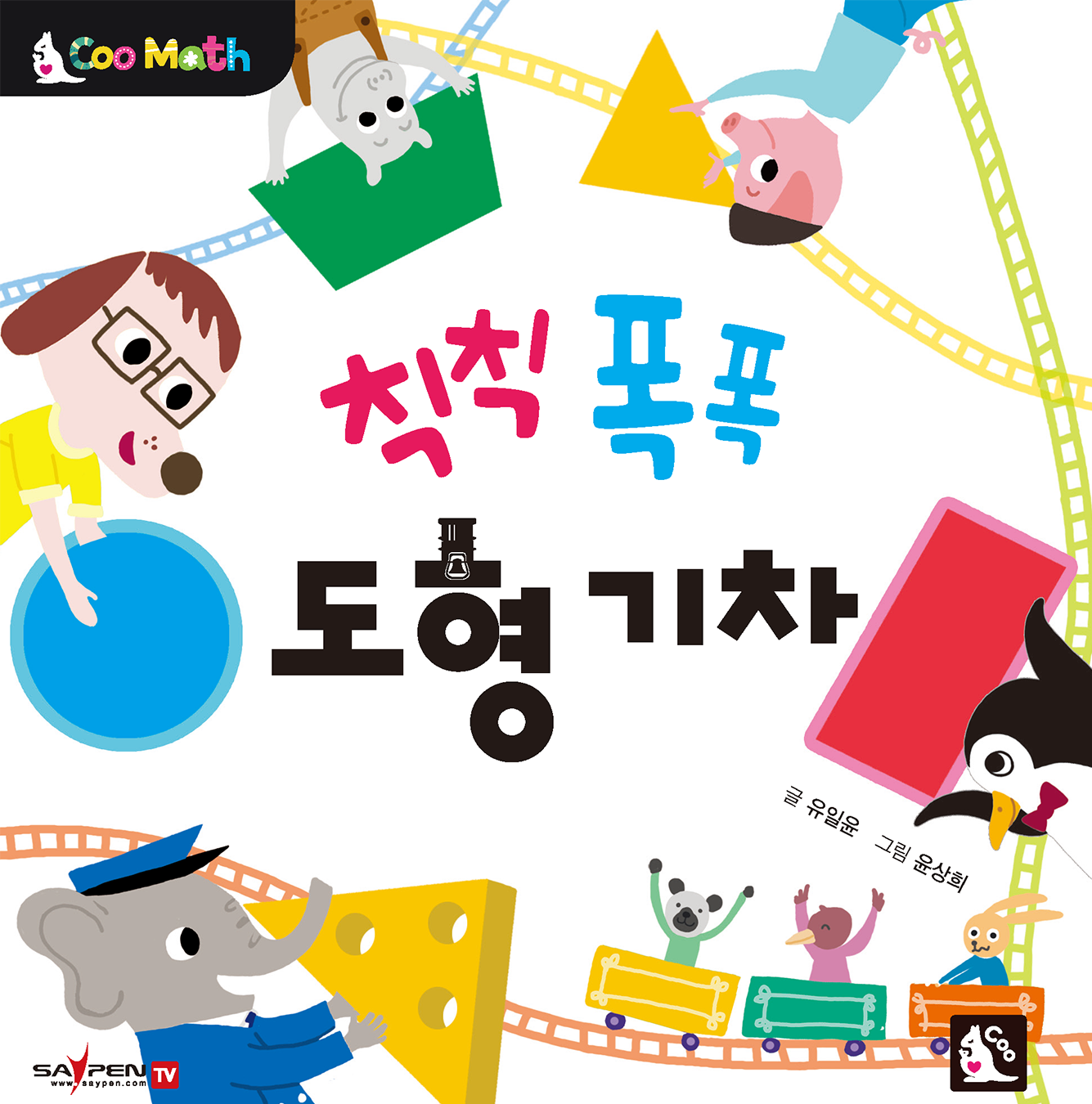
An elephant train driver delivers shapes: squares for gift boxes, triangles for roofs, trapezoids for boats, and rectangles for houses. When the train reaches the amusement park, children need circles to make rides. Can the driver share the circles with them?
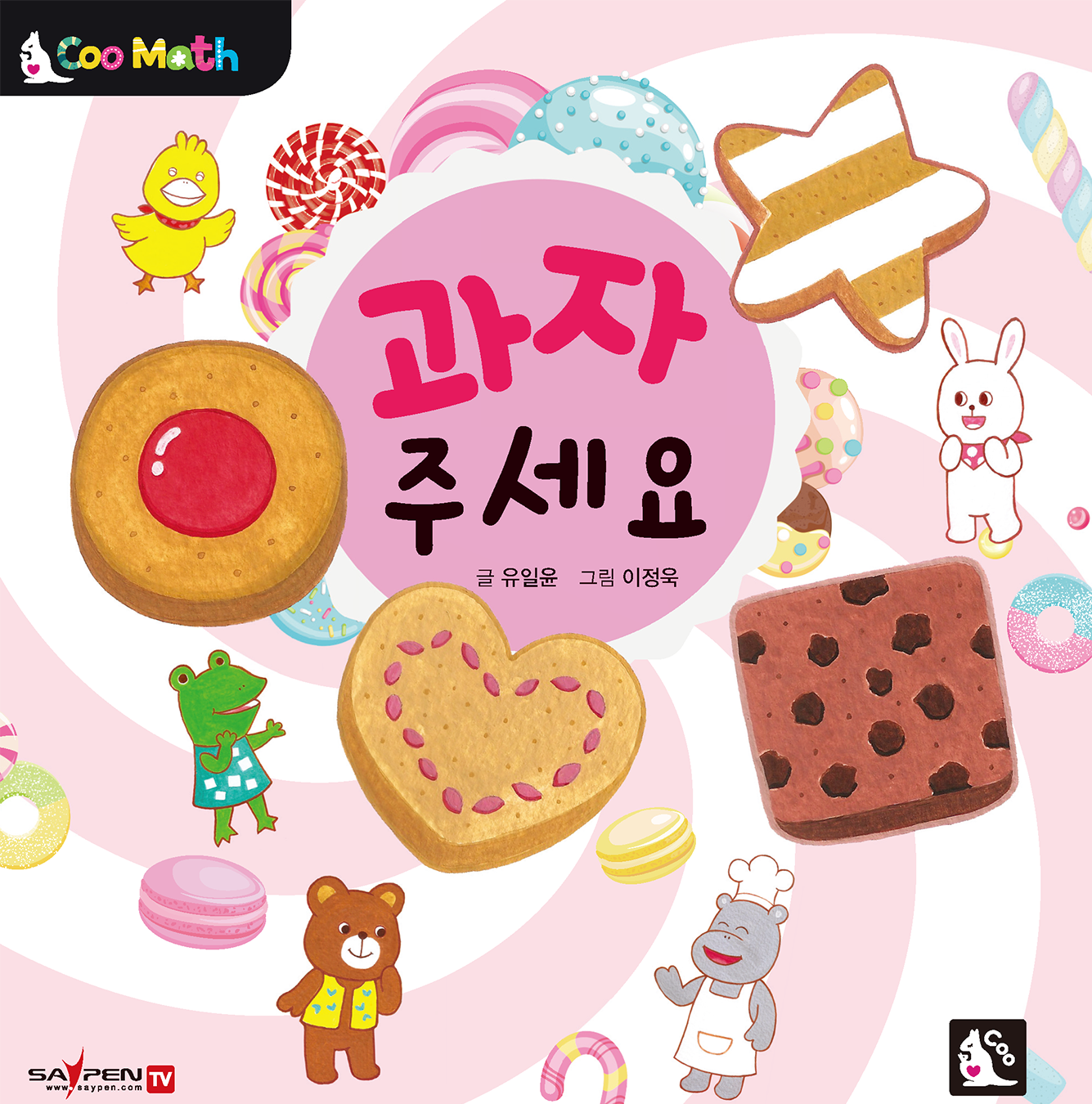
Animal friends visit a cookie shop and choose cookies in different shapes. By opening animal-mouth flaps and placing cookie pieces into the holes, children learn basic shape concepts.
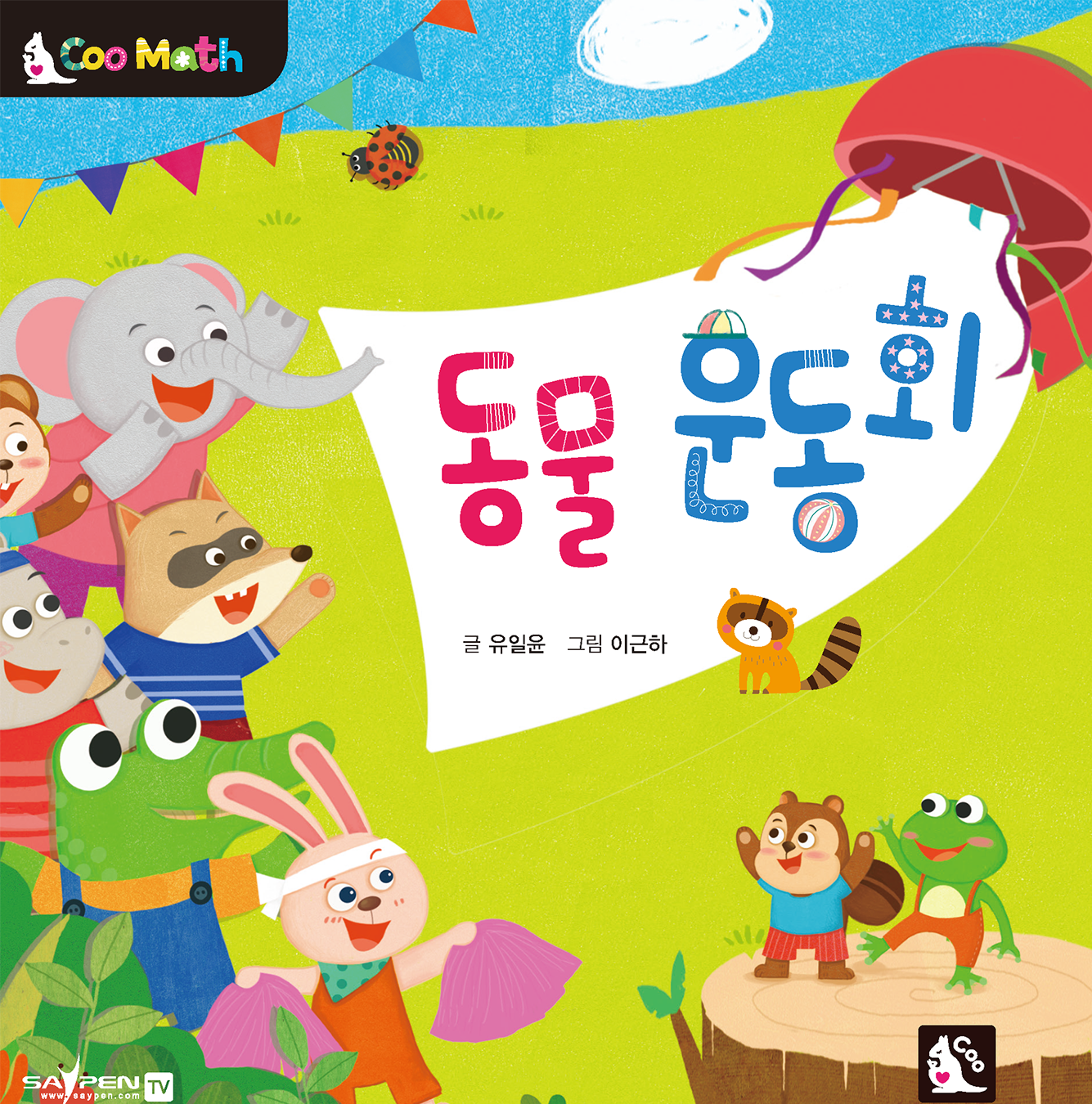
At an animal sports day, animals compare trunk length, tail length, vocal sac size, cheek pouch size, and more. This story introduces comparison concepts through lively competitions.
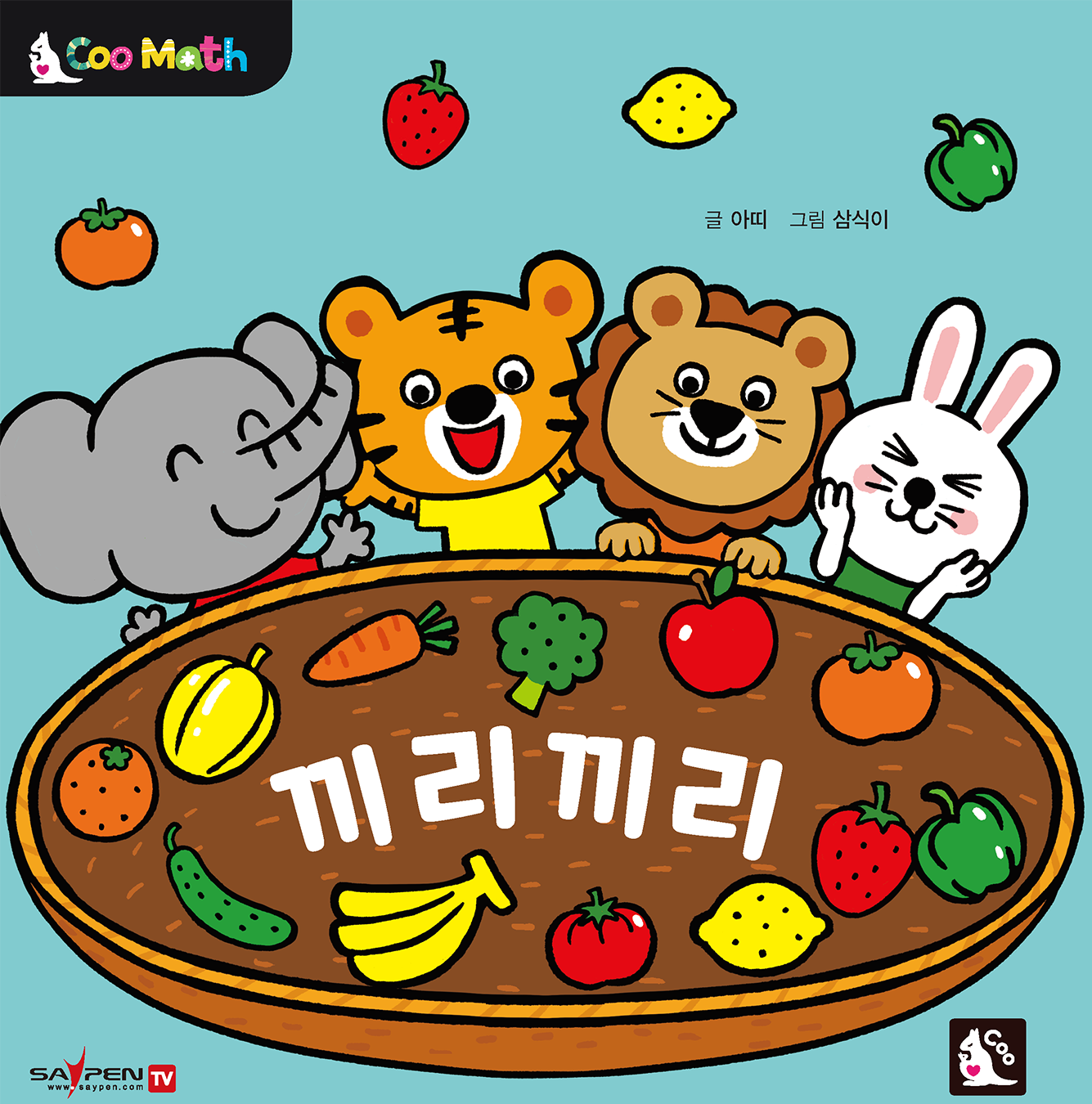
Forest animals gather to share soup and sit on mats according to clothing color before eating. This story introduces classification and grouping through a social scene.
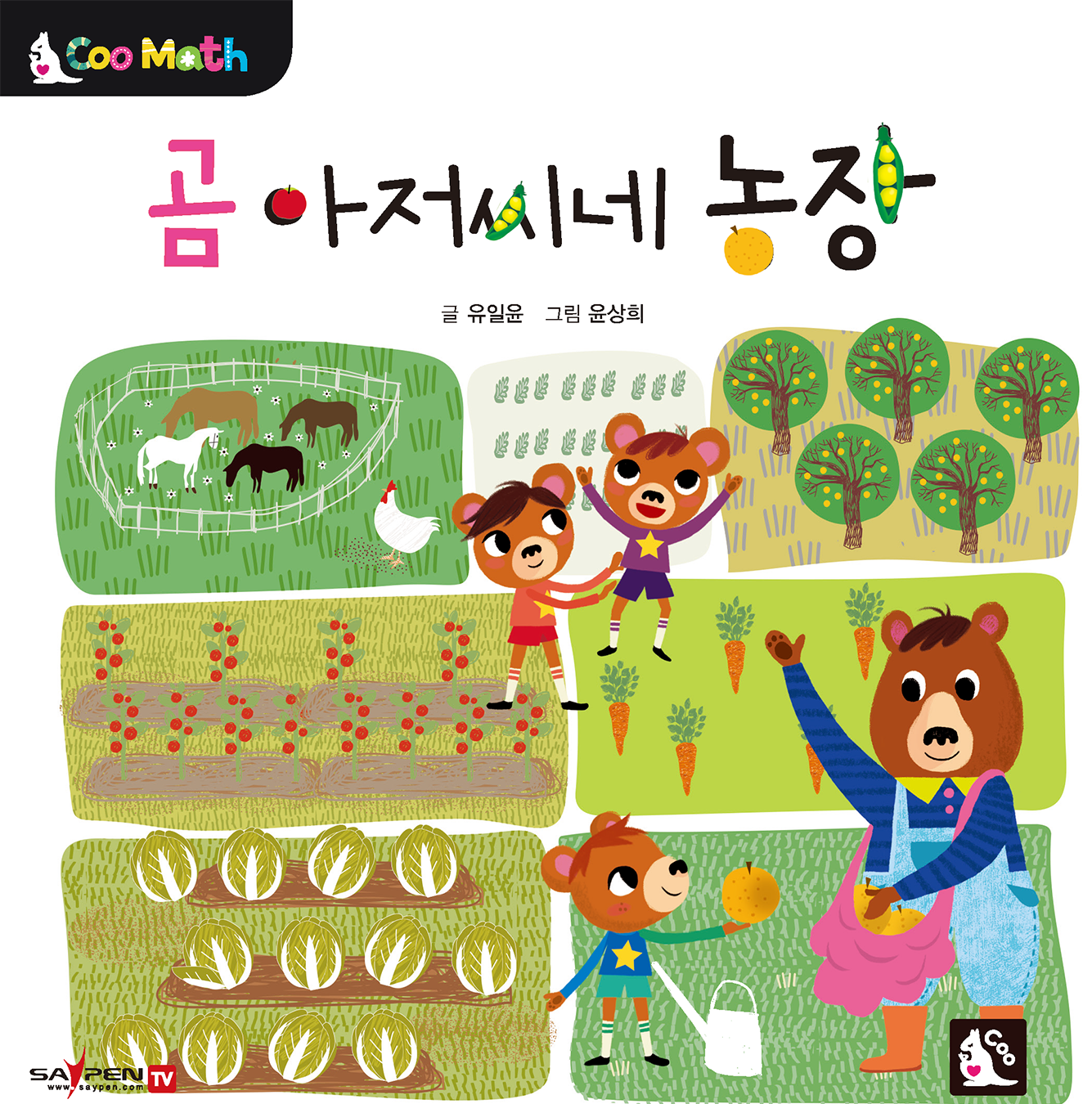
On Mr. Bear's farm, snails crawl side by side, frogs sit in a row, beans line up in pods, and the family sits together at dinner. This story introduces order and arrangement.
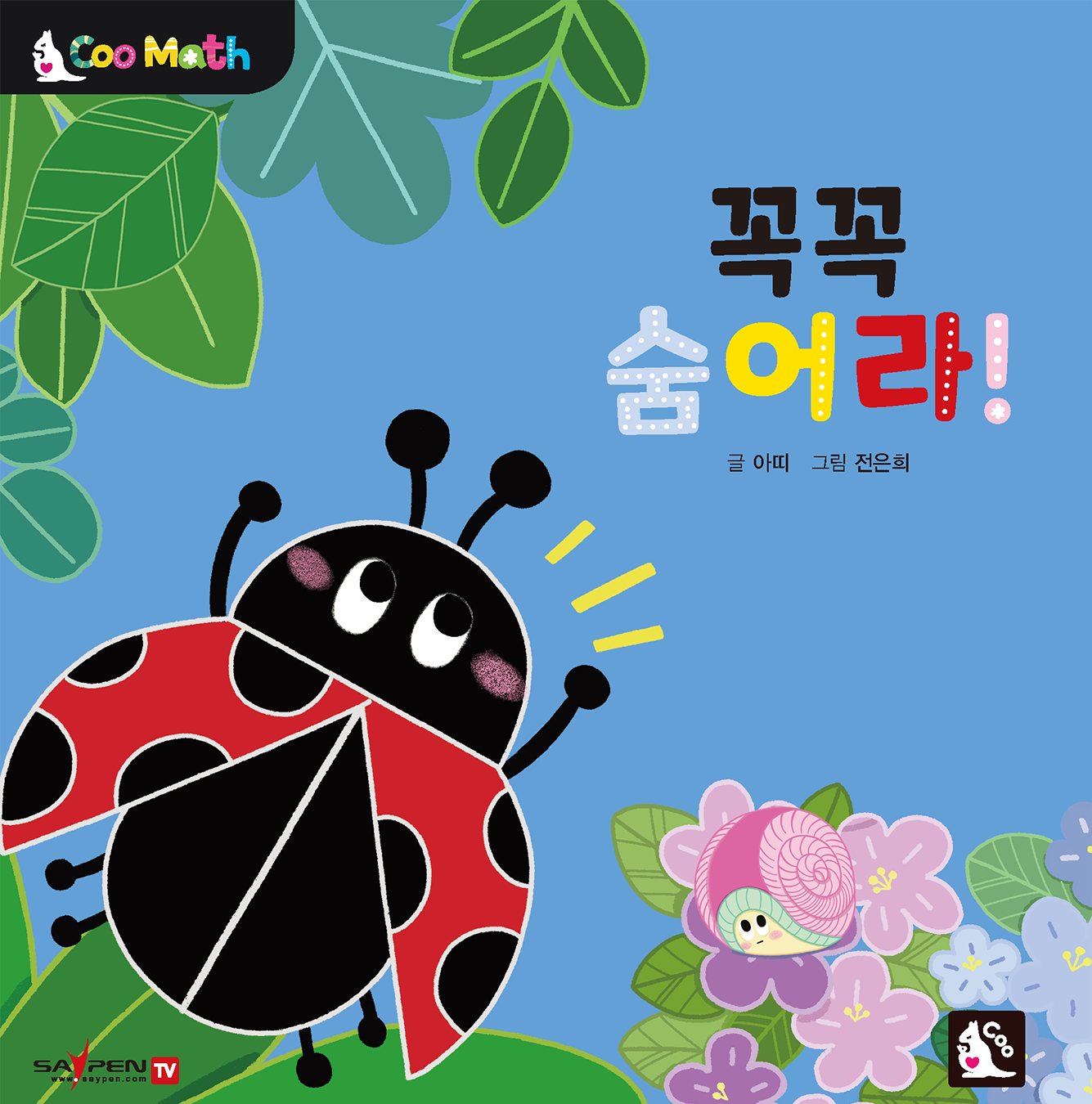
Small animals play hide-and-seek while a ladybug searches for them. The story introduces positional language such as on, under, in front of, behind, and inside through a playful math-thinking scene.
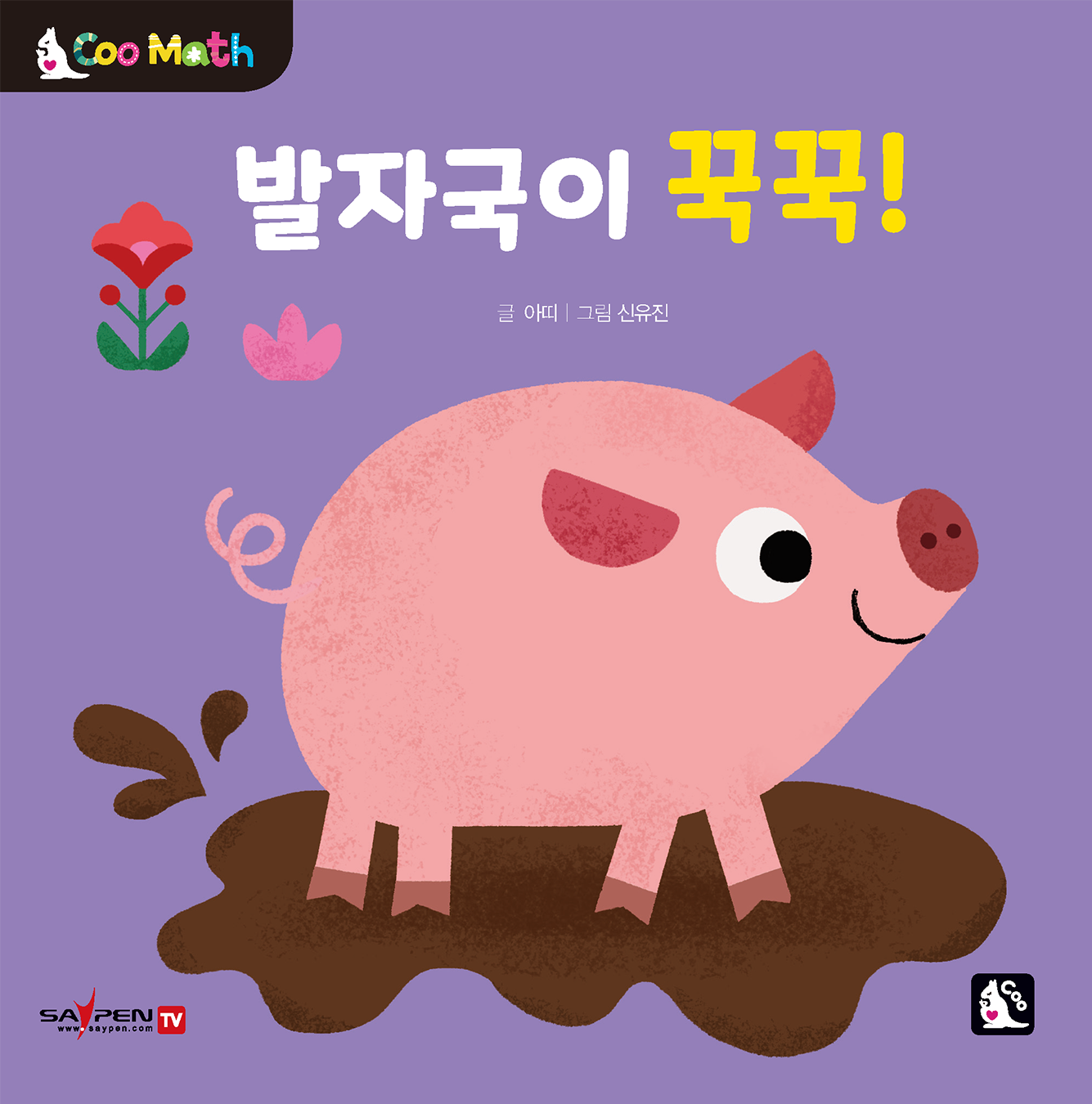
Animals leave footprints here and there: six from an elephant, seven from a pig, eight from a fox, nine from a rabbit, and ten from a bird. Children find and count the animal footprints.
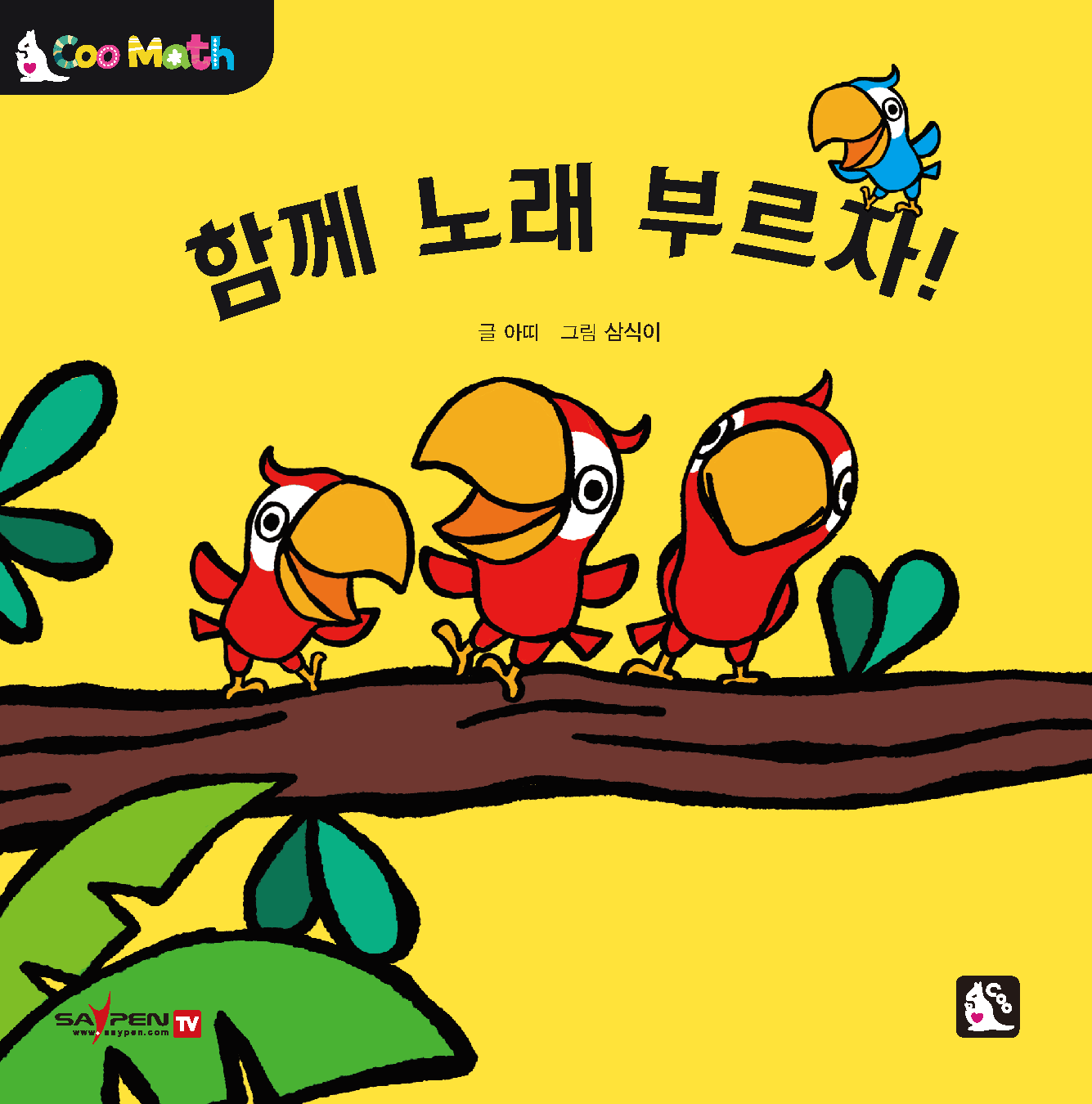
Birds arrive in groups that make five: one plus four, two plus three, three plus two, and four plus one. When five more birds fly in, children explore addition and number combinations.
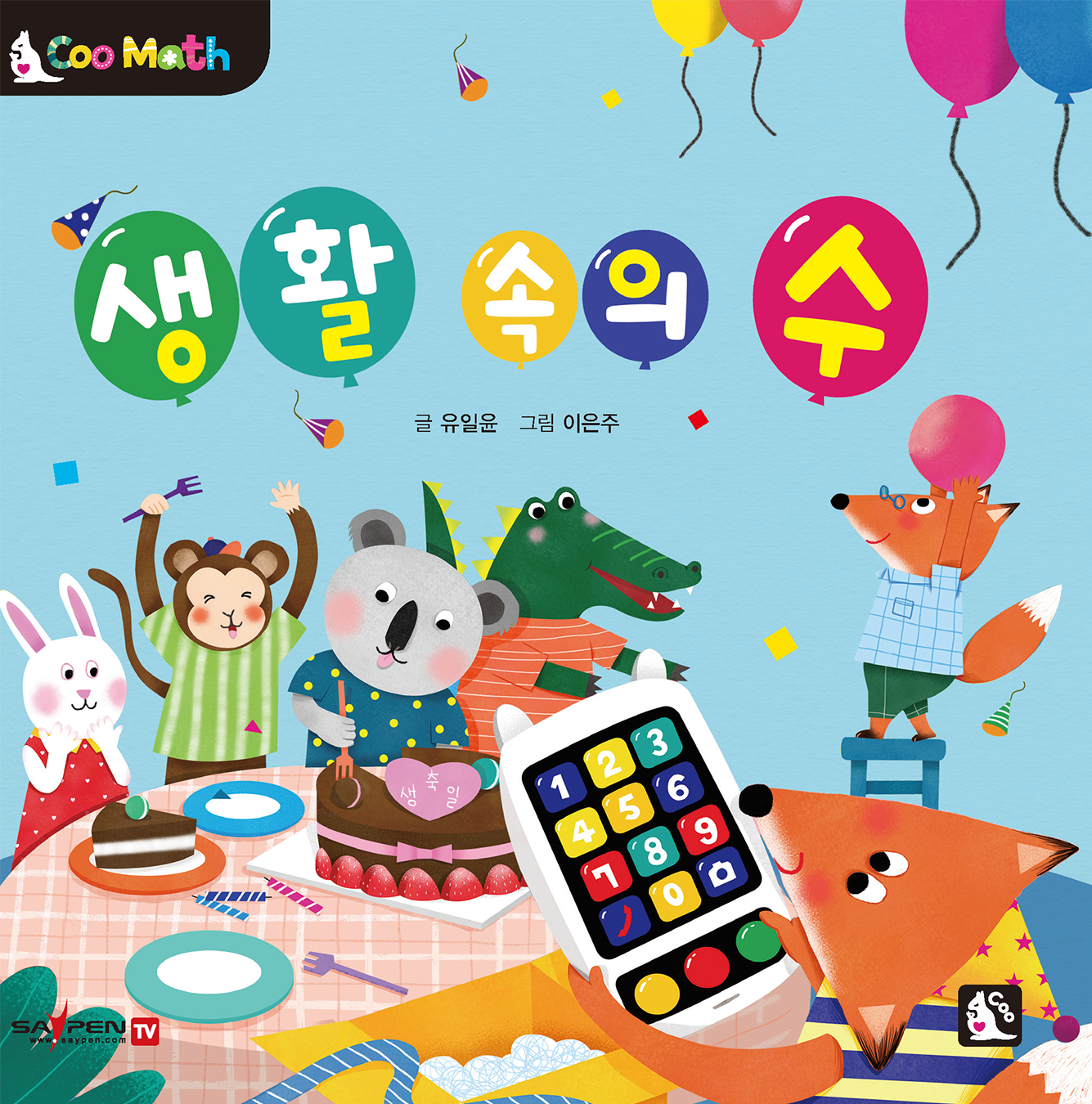
At a baby fox's birthday party, numbers appear in food preparation, elevator buttons, a phone, a clock, and birthday candles. This book connects numbers and counting to everyday life.
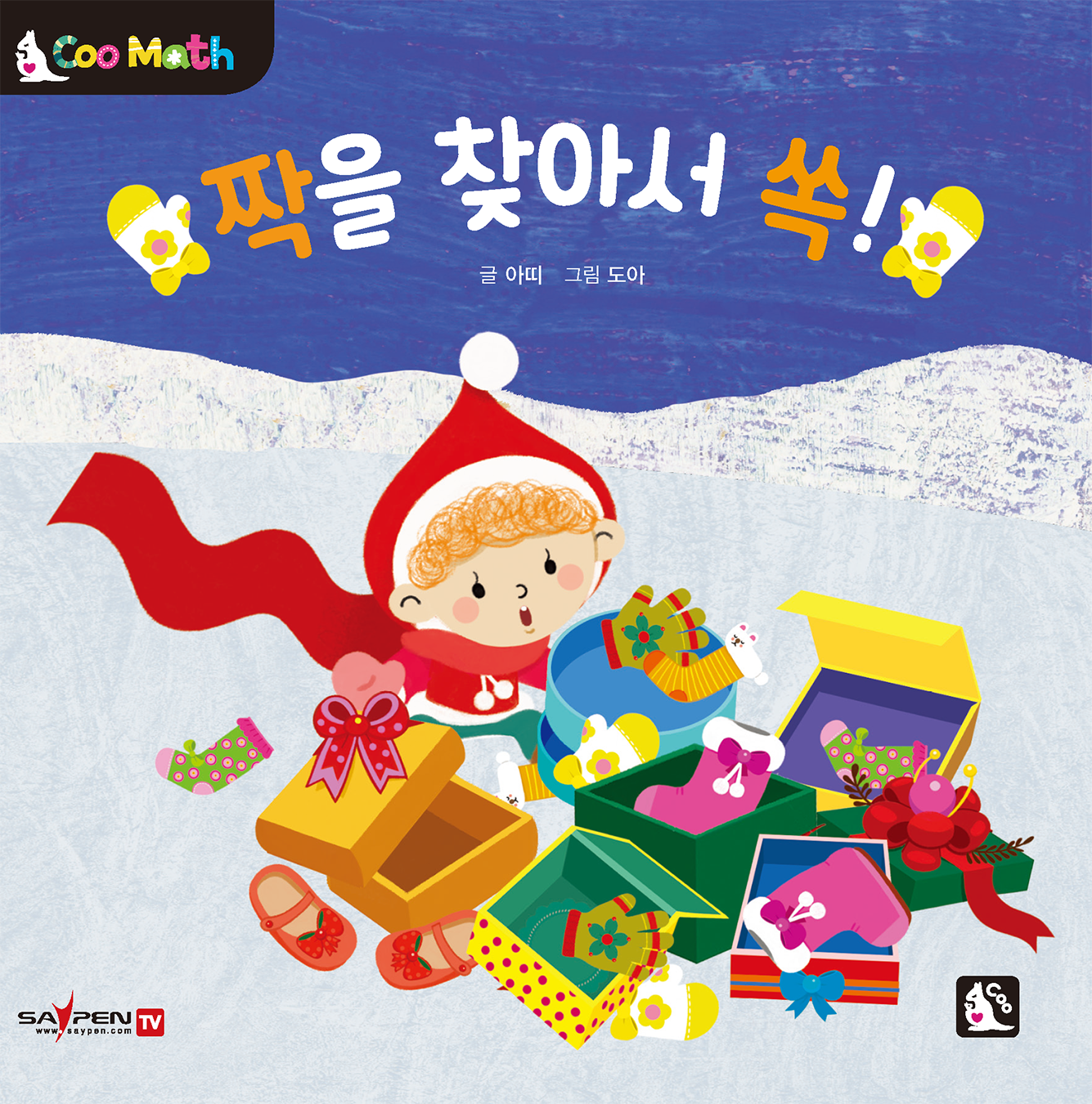
Little Santa Mary drops gifts from her sleigh, and the presents spill out of their boxes. Children practice matching and sorting as Mary puts each gift back with its pair.
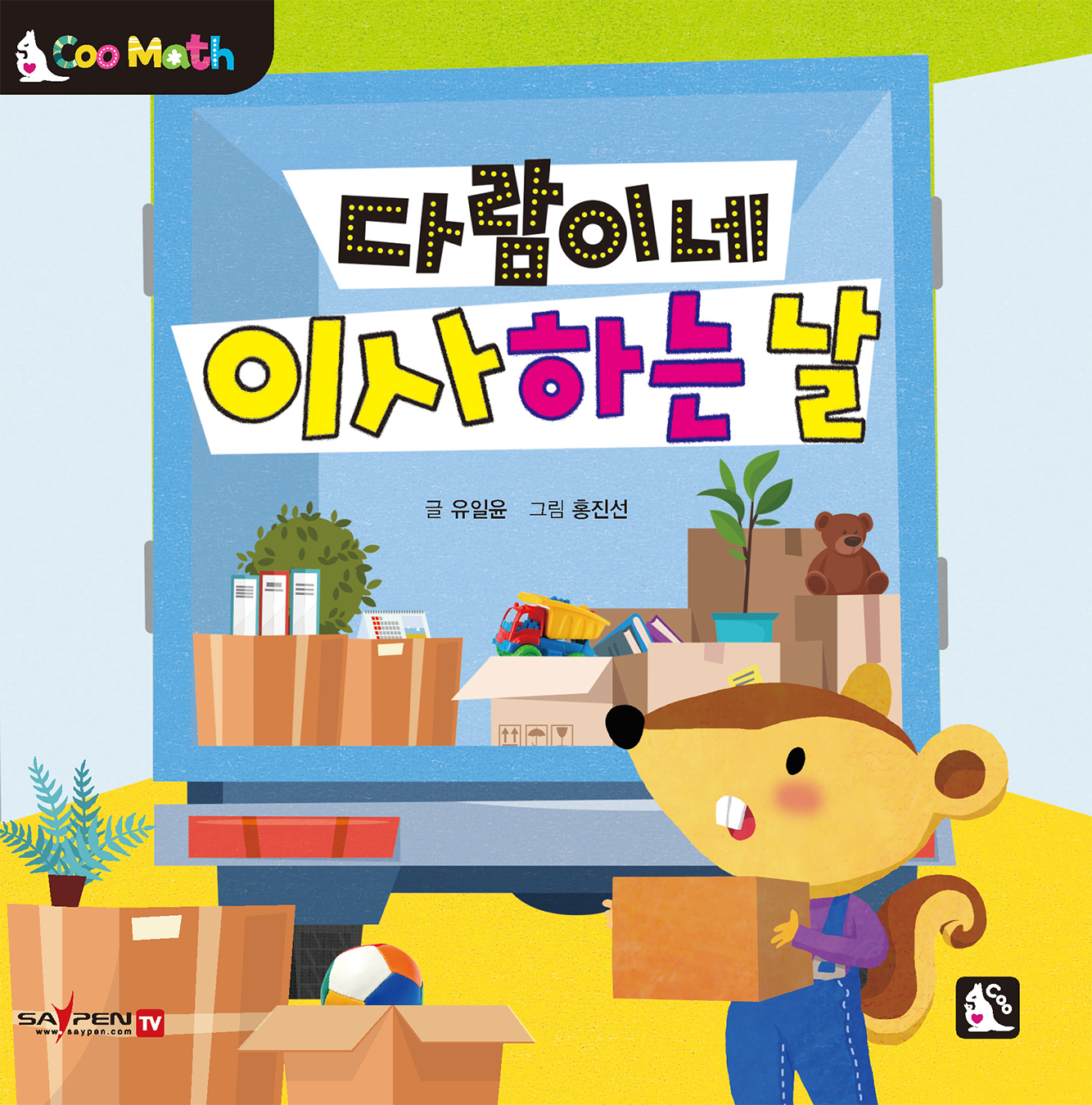
On moving day, Daram decides to pack by grouping the same kinds of objects together. This story introduces classification and sorting through a familiar family situation.
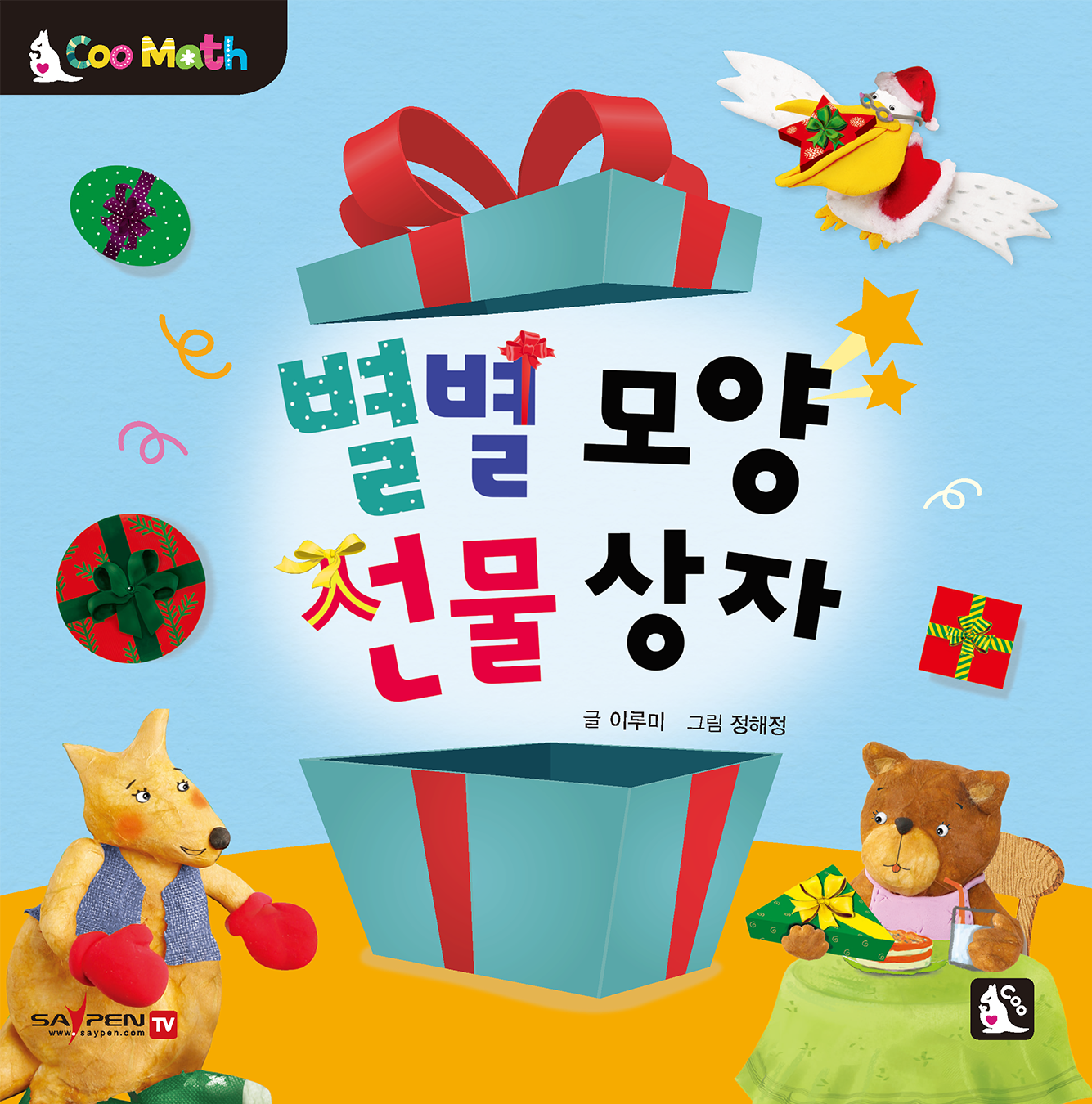
Animals receive Christmas gifts in boxes that match each gift's shape. This story introduces shape recognition and matching through festive presents.
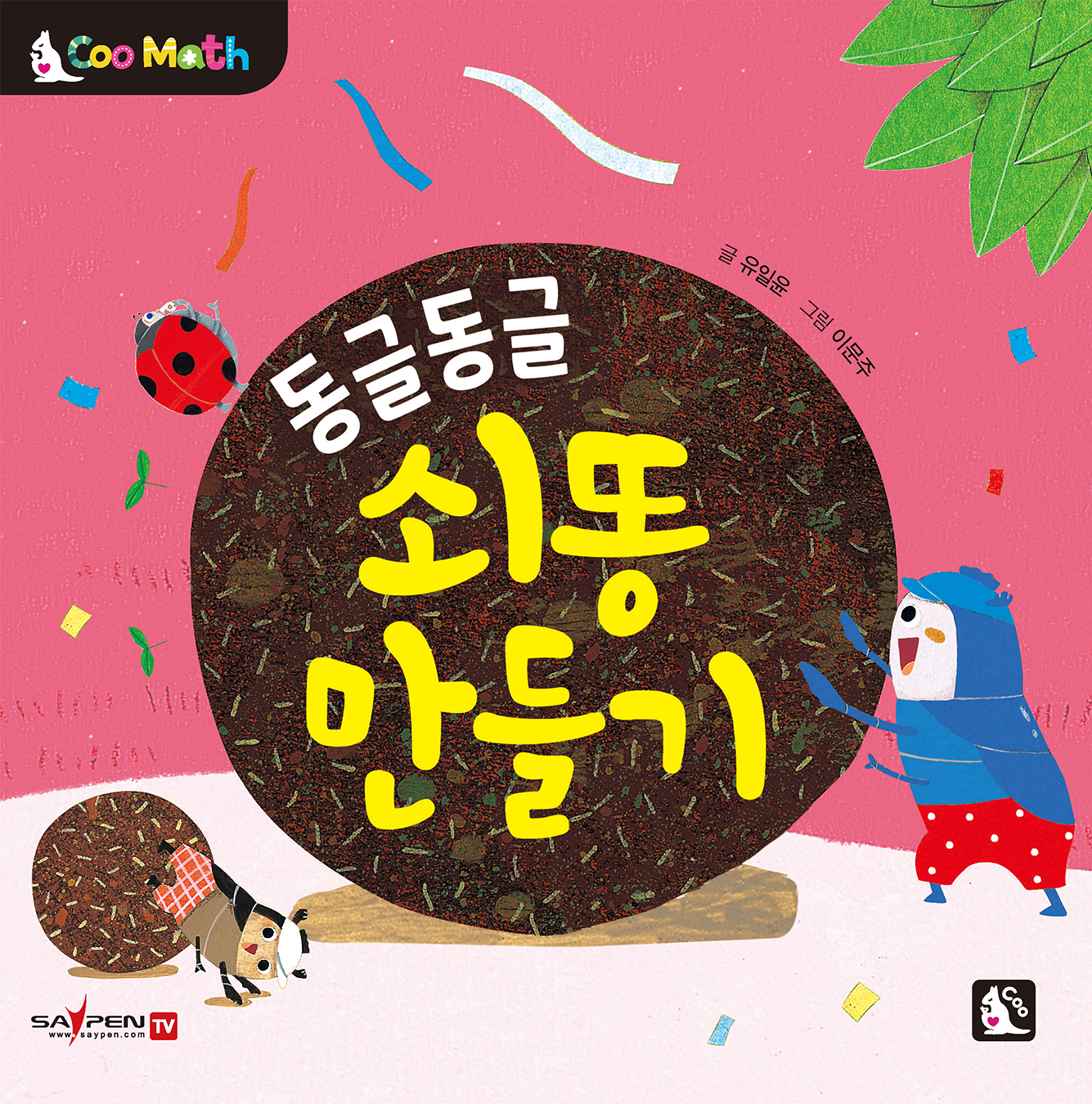
In a dung beetle village, two teams compete: one makes a larger dung ball, while the other makes more dung balls. When there is no clear winner, a ladybug judge suggests weighing them, introducing comparison and measurement.
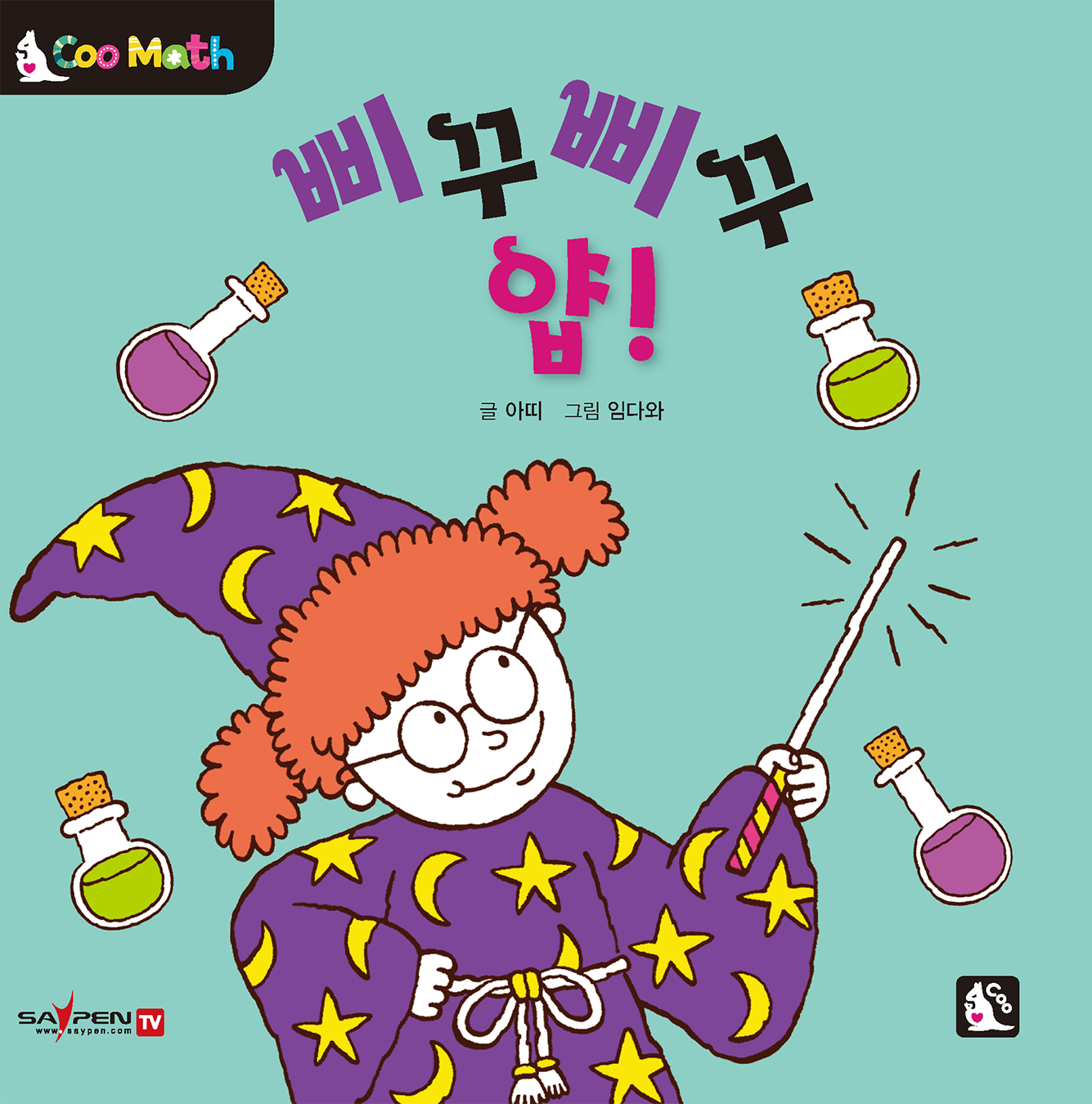
Mongi tries to tidy the house with a spell, but the wrong spell makes everything messy. This story introduces patterns, order, and rule recognition.
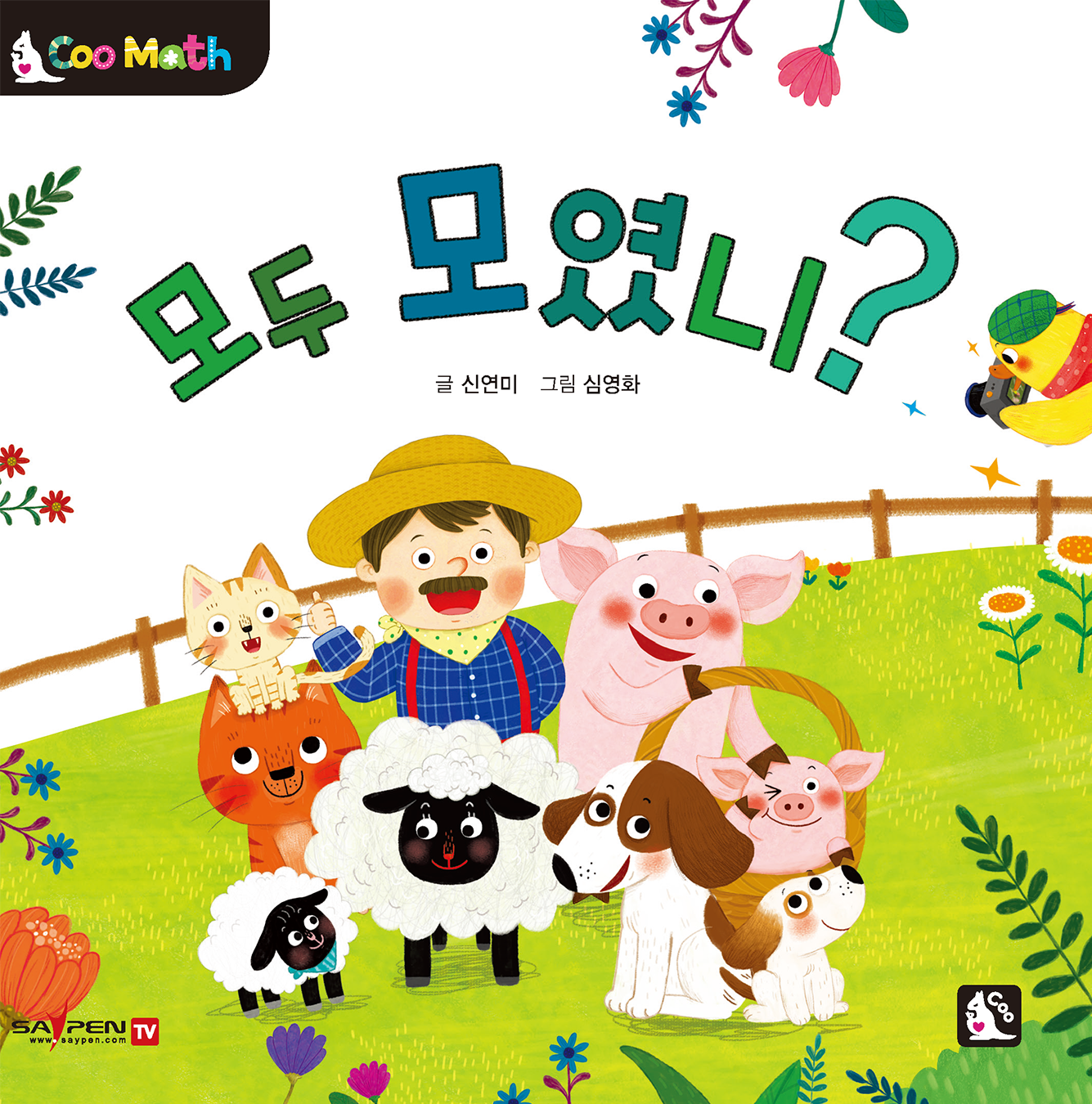
A lamb in the grass, a kitten on the roof, a piglet in the pen, and a puppy behind the hay all run to their mothers. As everyone gathers together, children explore spatial relationships and position words.