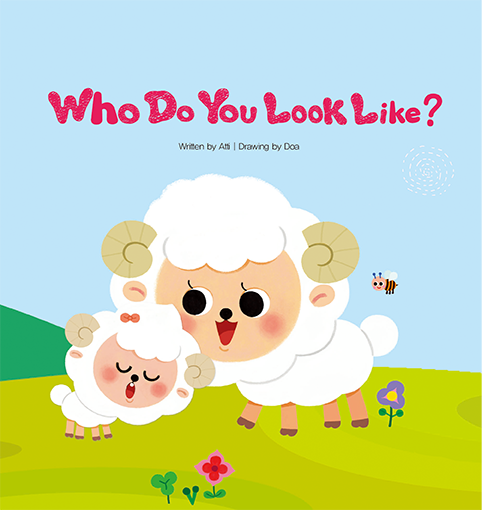
Who Do You Look Like?
Animal mothers, fathers, and babies sing together as children learn animal names and imitate their sounds.
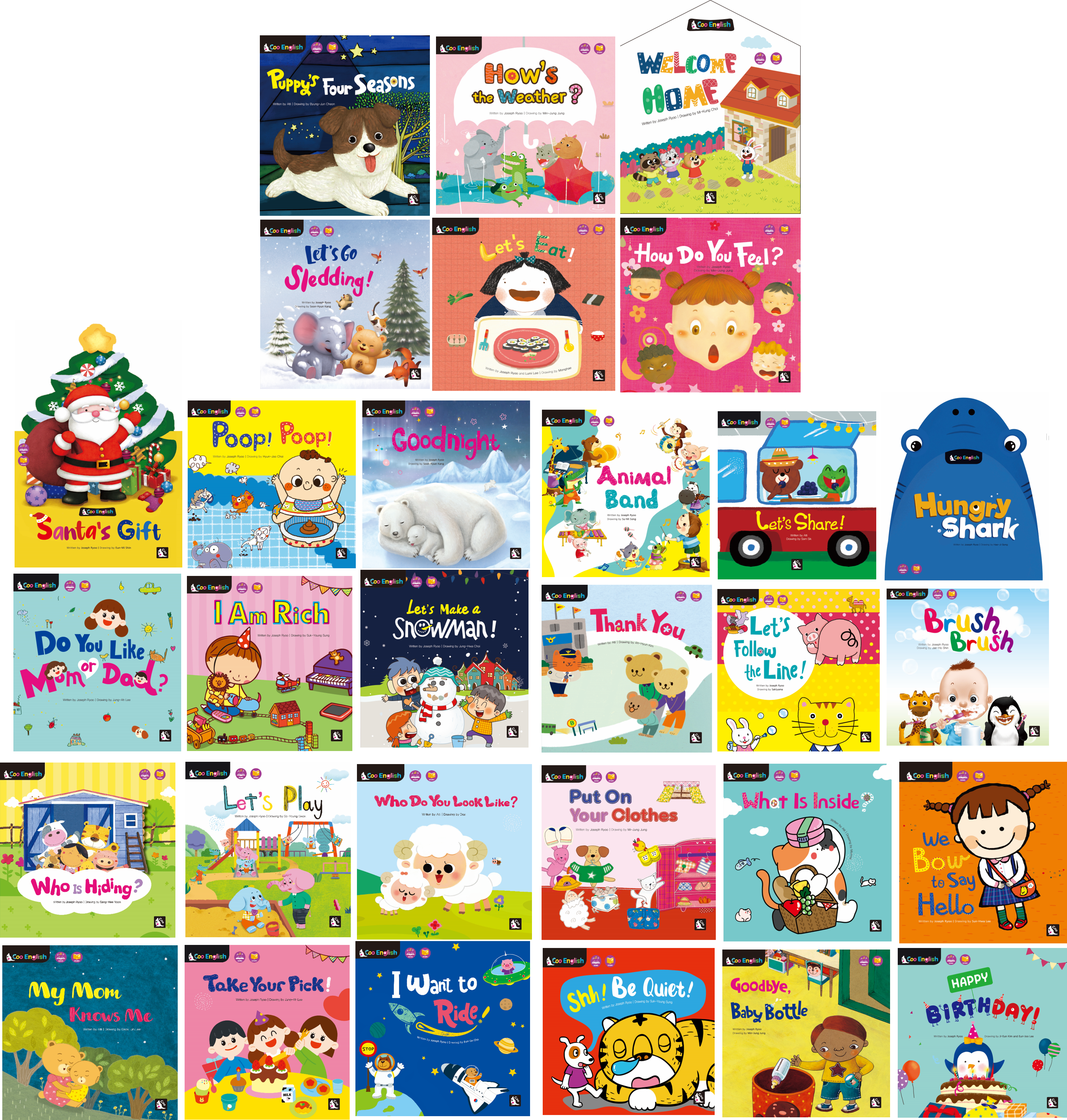
English Picture Books
A play-based English picture-book series combining everyday stories, phonics, musical animation, interactive books, and sound learning materials. The format helps children enjoy speaking and increases everyday exposure to English.
Step 3
Review the books in this series and open available sample previews.
Animal mothers, fathers, and babies sing together as children learn animal names and imitate their sounds.
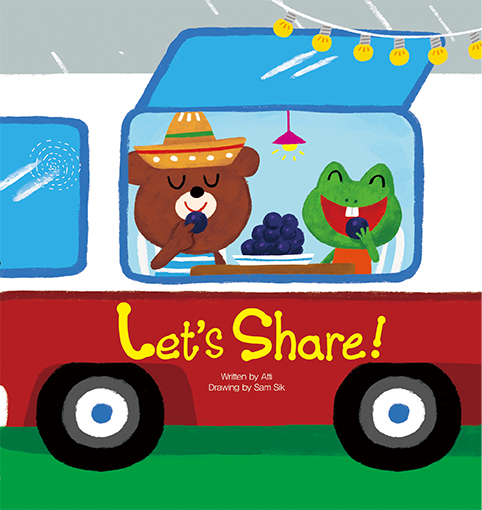
A bear and a frog share delicious fruit as children learn the colors of different fruits.
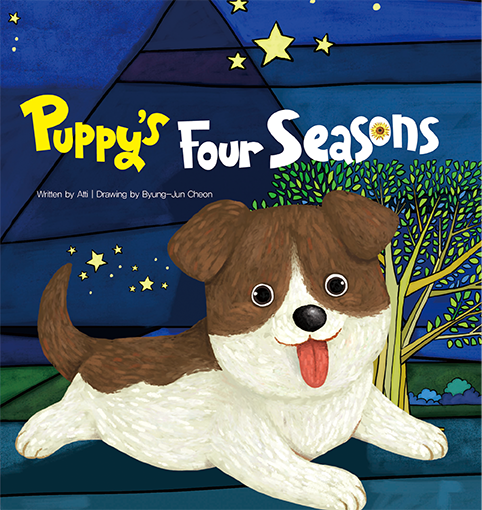
Children discover the activities Puppy enjoys across the four seasons.
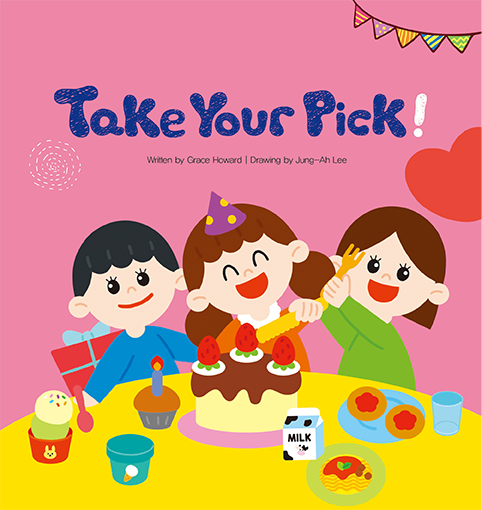
Children lift the flaps to choose the right tool for the picture in the center.
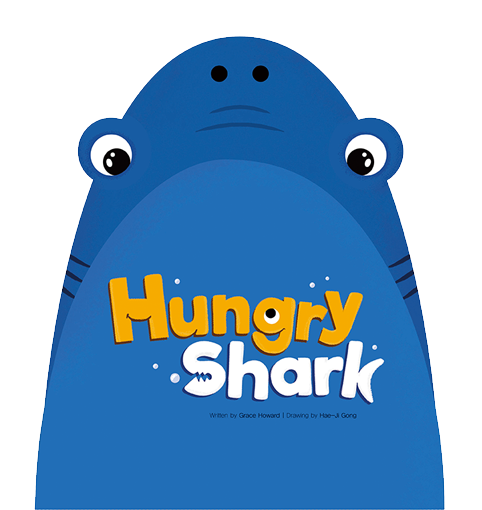
A shark has eaten so many fish that its belly is full; children can count together to find out how many fish it ate.
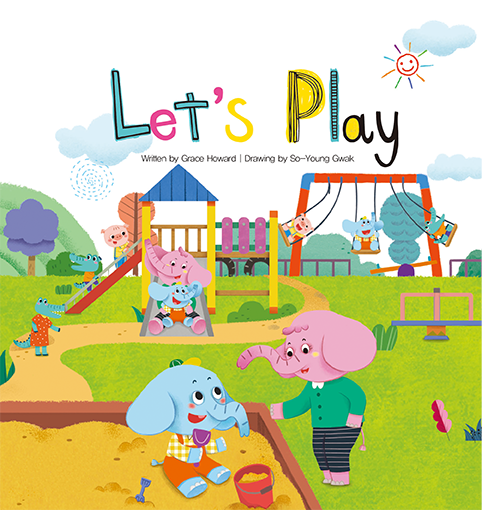
Children find out which playground equipment the elephant mother and her friend enjoy together.
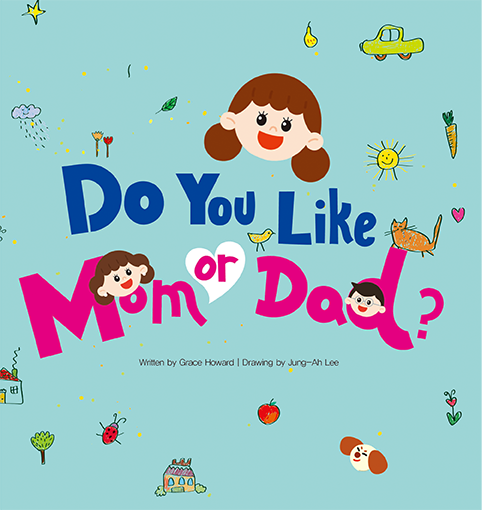
Adults wonder who the lovable youngest daughter likes best, and she gives a clever answer to each person who asks.
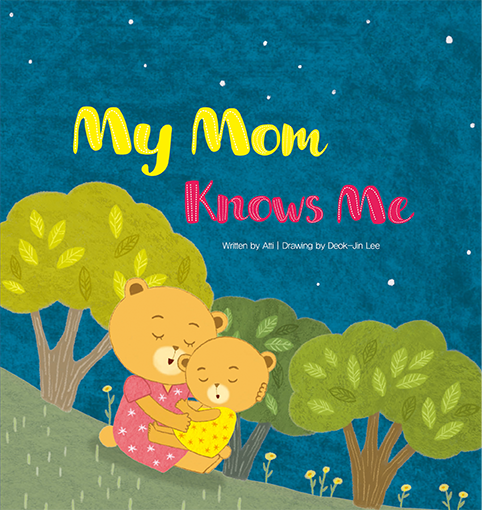
Animal friends express their feelings, showing how a mother can understand emotions even without words and inviting children to talk about how they feel.
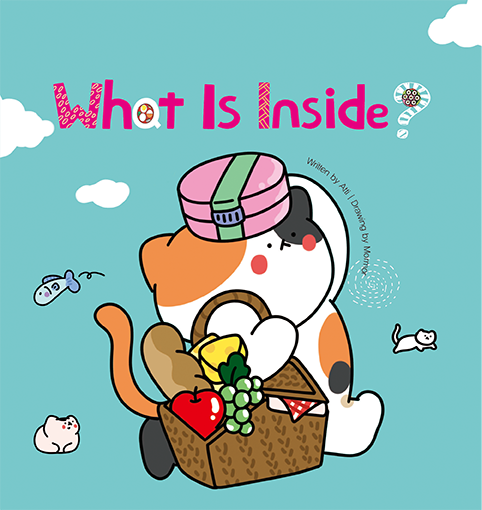
Animal friends take lunch boxes of different shapes on a picnic, helping children discover a variety of shapes.
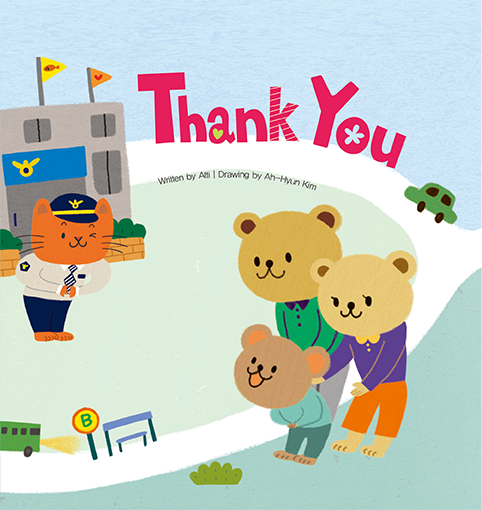
Children practice saying "Thank you!" to those who help animals in need.
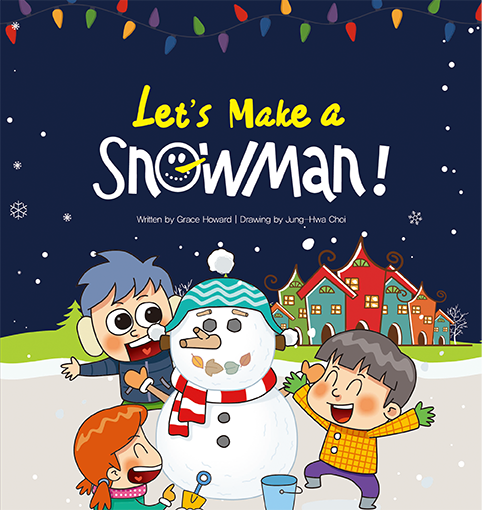
On a snowy day, three siblings build a snowman with materials they find outside, while children learn key words such as eyes, nose, and mouth.
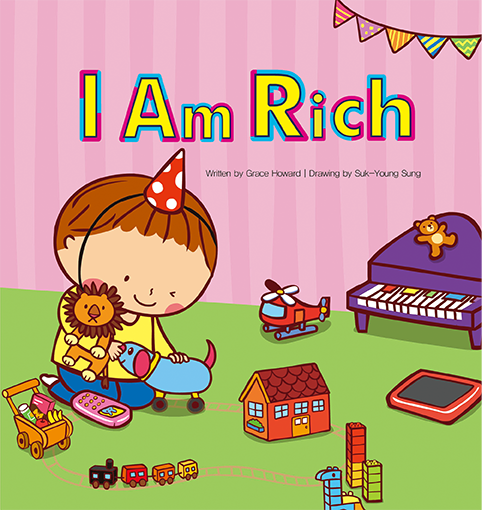
A child with many toys plays happily and imagines being rich.
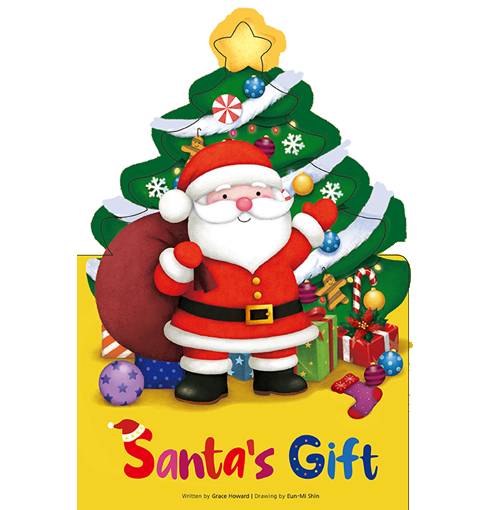
At Christmas, animals ask Santa for the gifts they want, but who will give Santa a present?
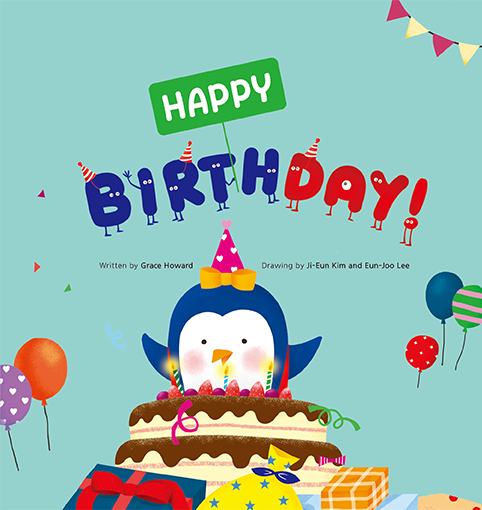
Family and friends celebrate Dad, Grandma, and Penny's birthdays as children practice saying "Happy birthday!" to loved ones.
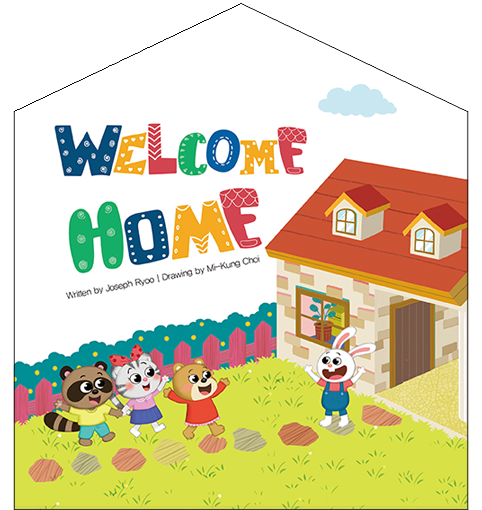
A rabbit invites friends home and shows them around, helping children learn the rooms in a rabbit's house.
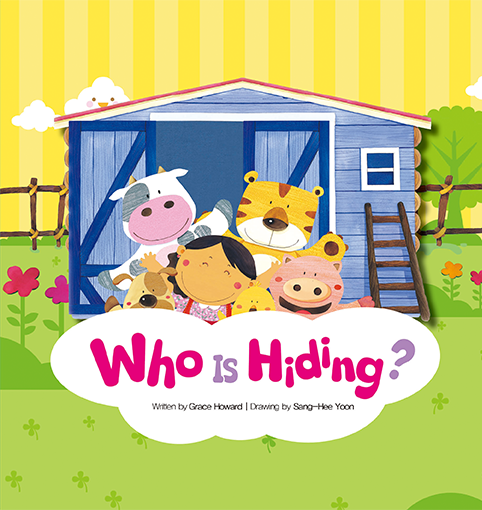
Animals hide behind doors, inviting children to open each one, learn the animal sounds, and imitate them together.
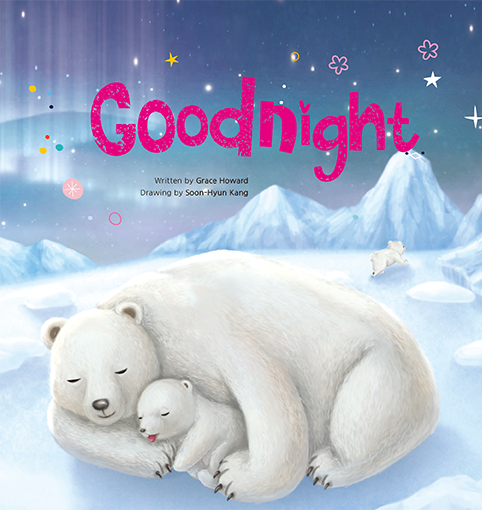
Night has fallen, and animal friends sleep in their mothers' arms; where should the child sleep?
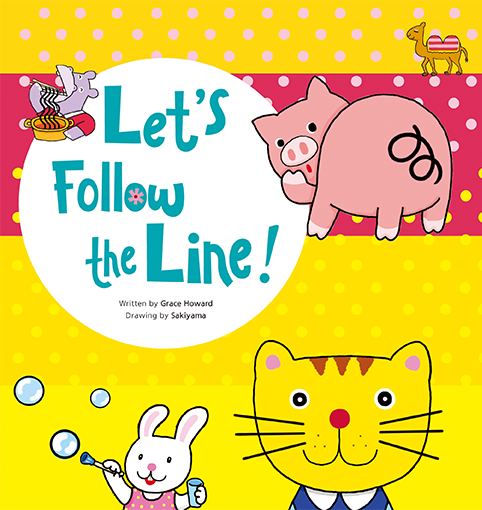
Children follow the raised lines with their fingers for a hands-on tactile reading experience.
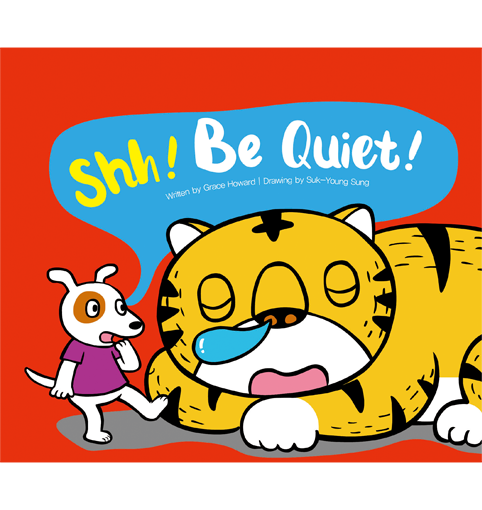
Animals make noises beside a sleeping lion, prompting children to say Shh! Be quiet! so they do not wake him.
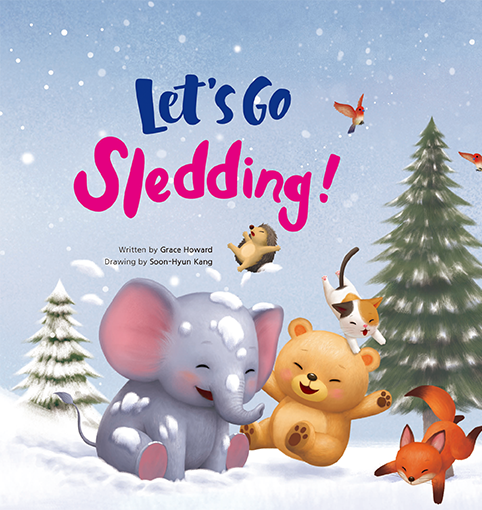
On a snowy day, animal friends have fun riding sleds.
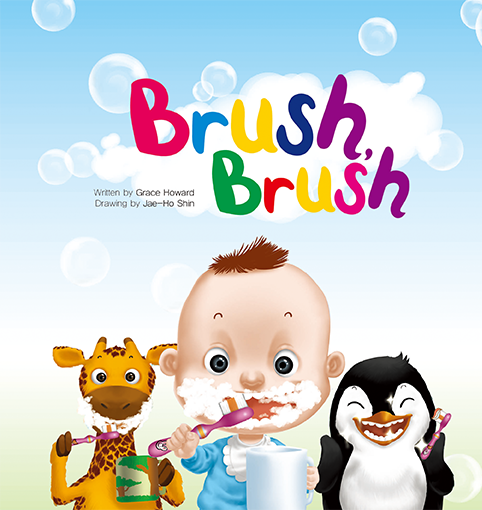
Animals and a baby brush their teeth, and children discover who can do it all by themselves.
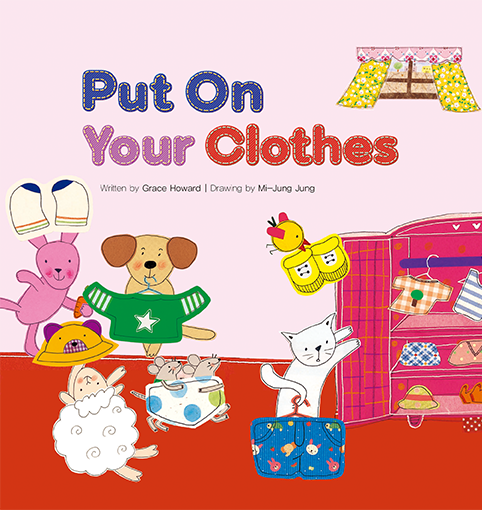
Animals give clothes to a friend, inviting children to talk about which clothes they can put on by themselves.
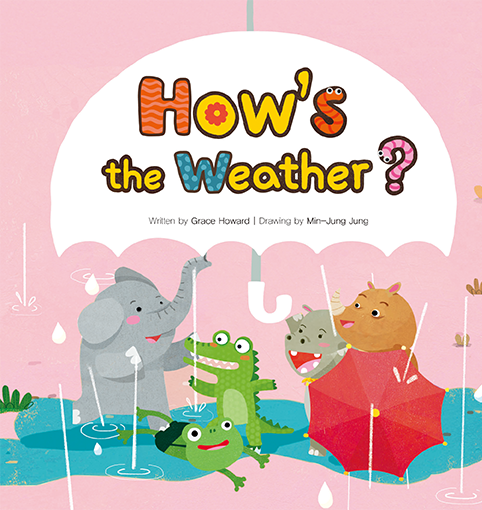
Children open the flaps to see what animal friends do in different kinds of weather.
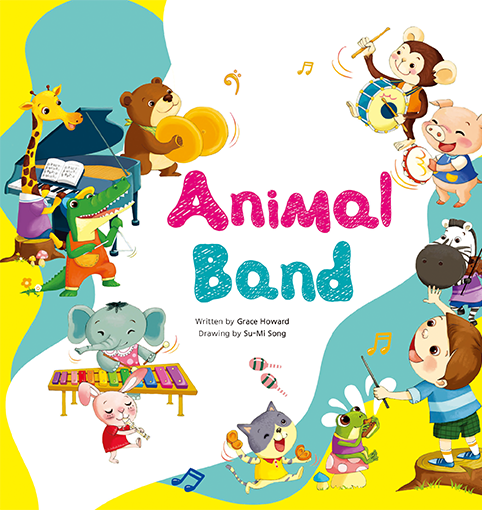
Animal friends perform together, helping children learn about the instruments each animal plays.
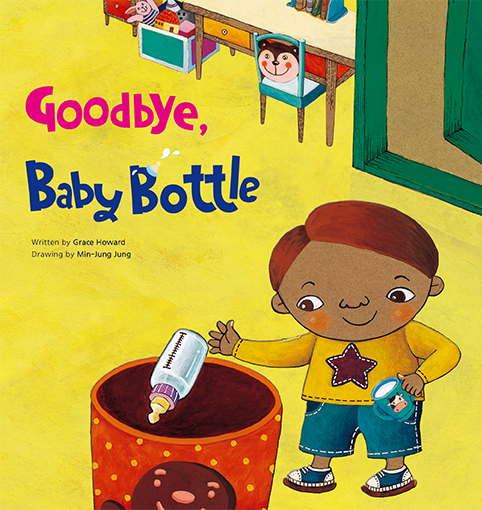
A child wants to drink milk from a baby bottle, but is no longer a baby; should they use a bottle or a cup?
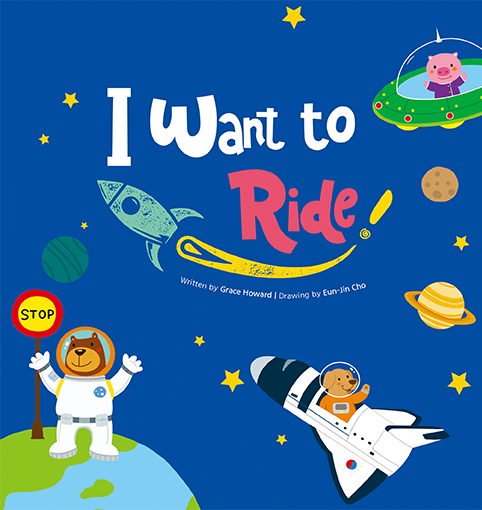
Animal friends wait at the STOP bus stop, each wanting to ride a different vehicle, while children learn and imitate English sound words.
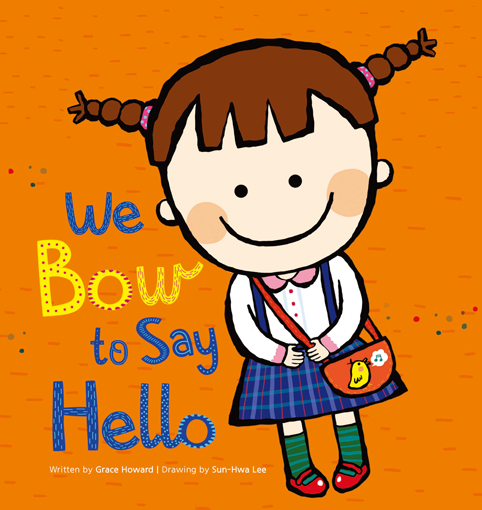
Young readers learn greetings used throughout the day.
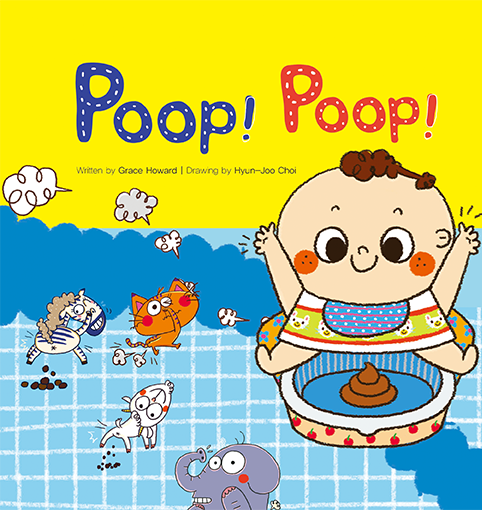
Animals each have their own place to poop, and children discover where the baby will go while learning sounds and places related to toilet training.
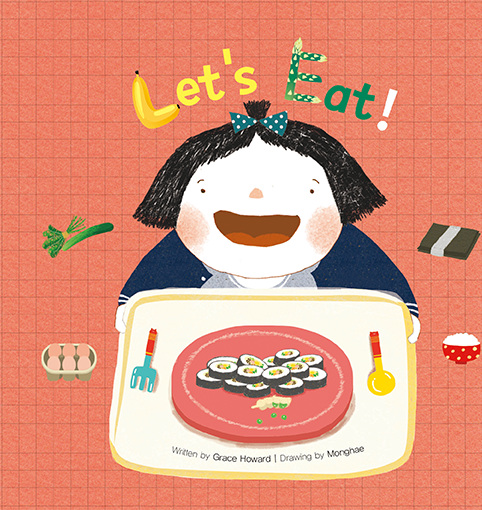
When a child does not want to eat, cooking together can make mealtime more inviting.
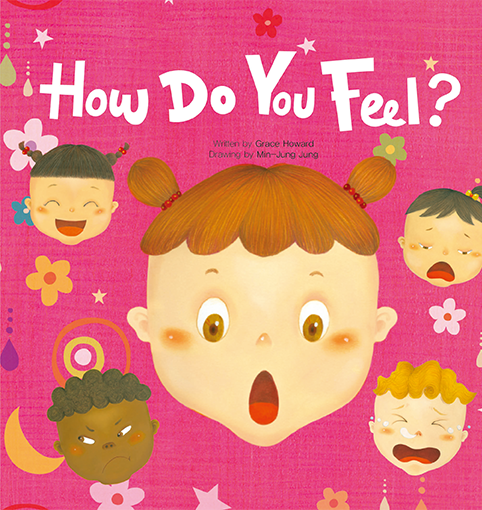
Children move the flaps to discover how their friends are feeling.
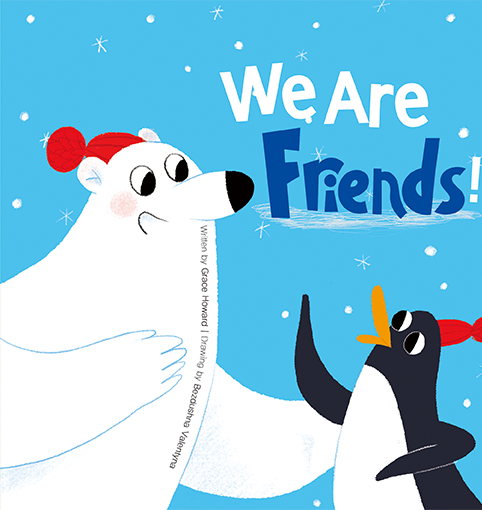
Friends do not have to be the same to care for one another.