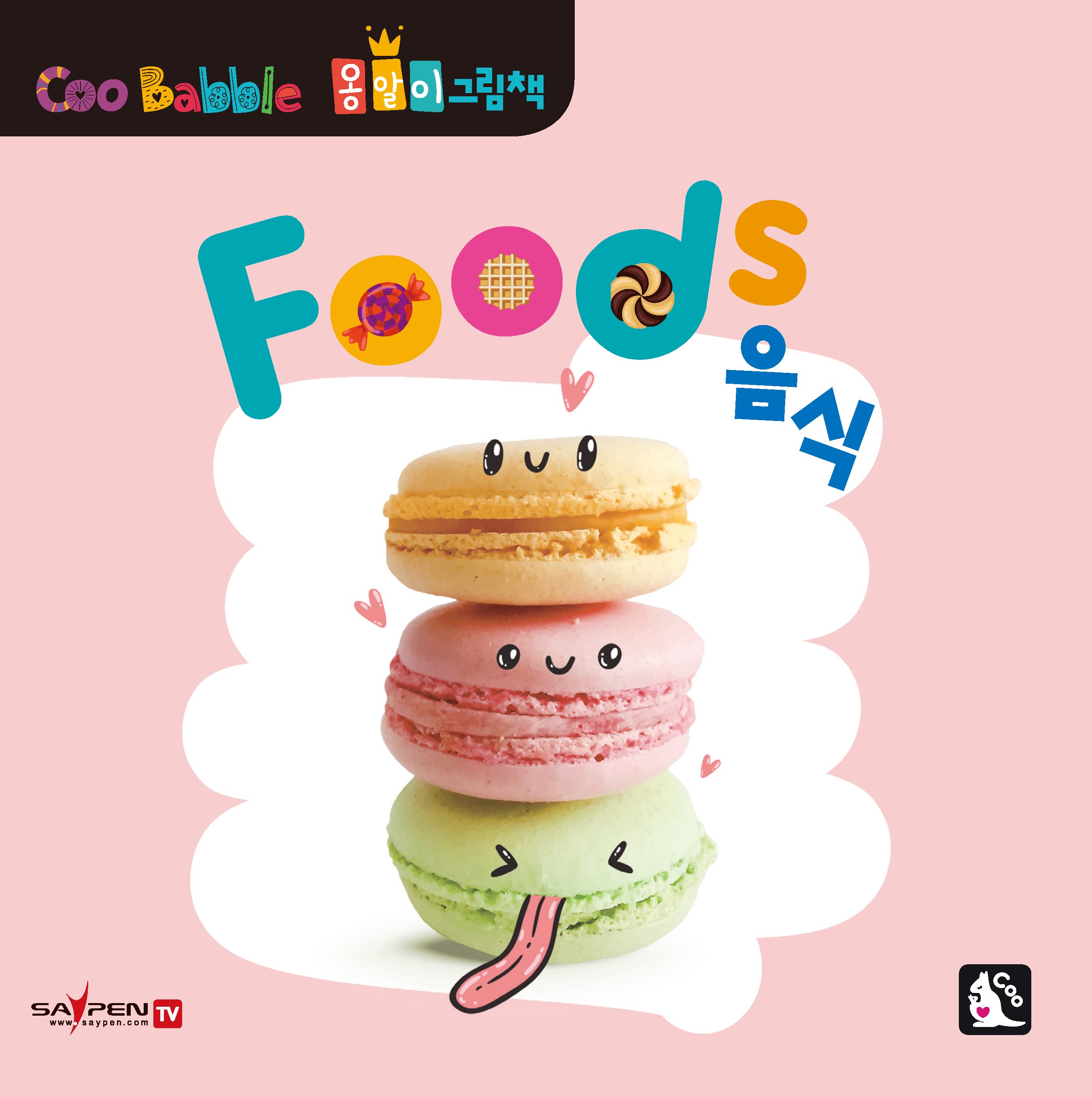
Foods
Introduces favorite foods and snacks, helping children learn food names and simple sentences about taste and features.
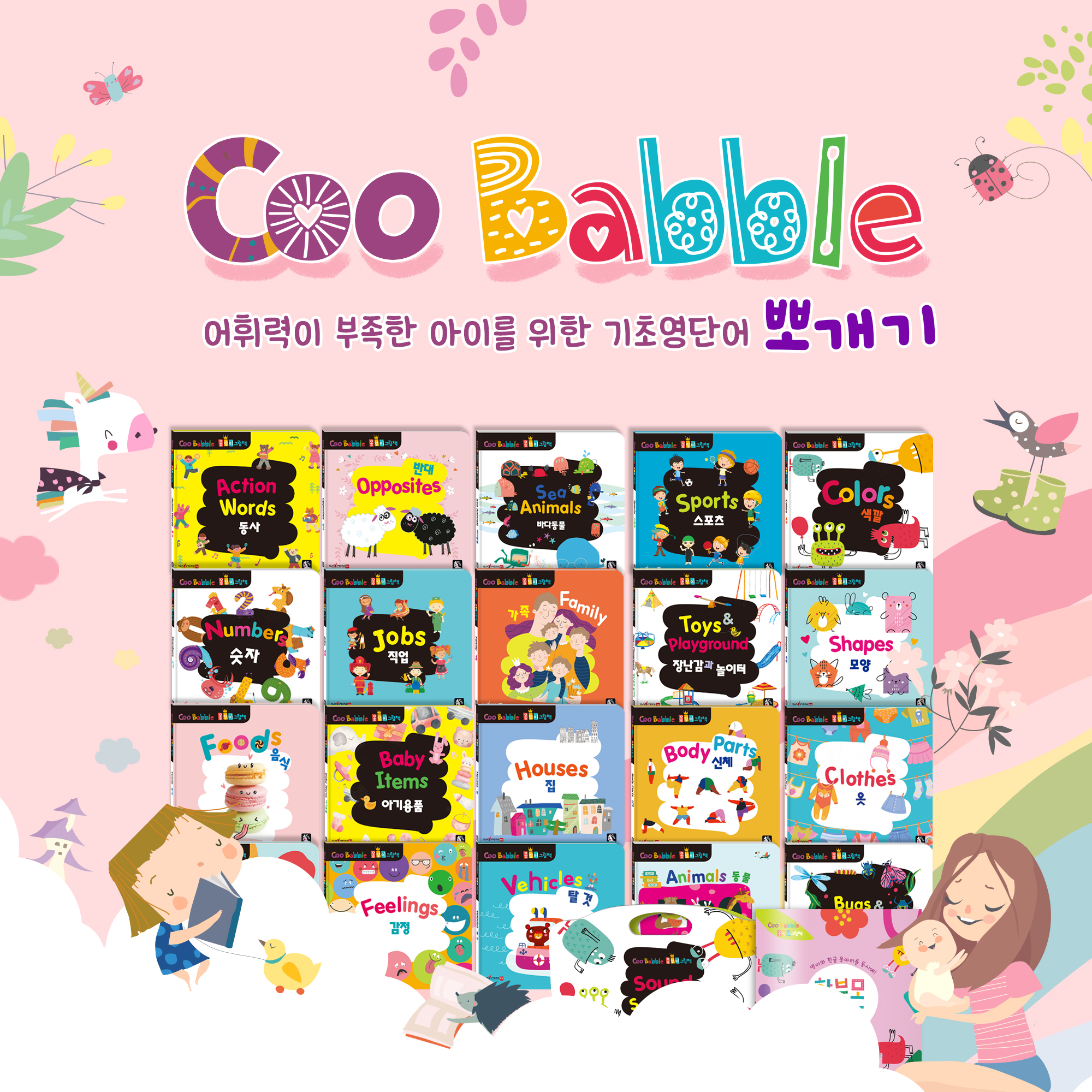
English Picture Books
A first English word-and-sentence board-book series that introduces early vocabulary and simple expressions through songs, illustrations, and sound-pen interaction. Twenty everyday themes and about 300 expressions support both English exposure and cognitive development.
Step 3
Review the books in this series and open available sample previews.
Introduces favorite foods and snacks, helping children learn food names and simple sentences about taste and features.
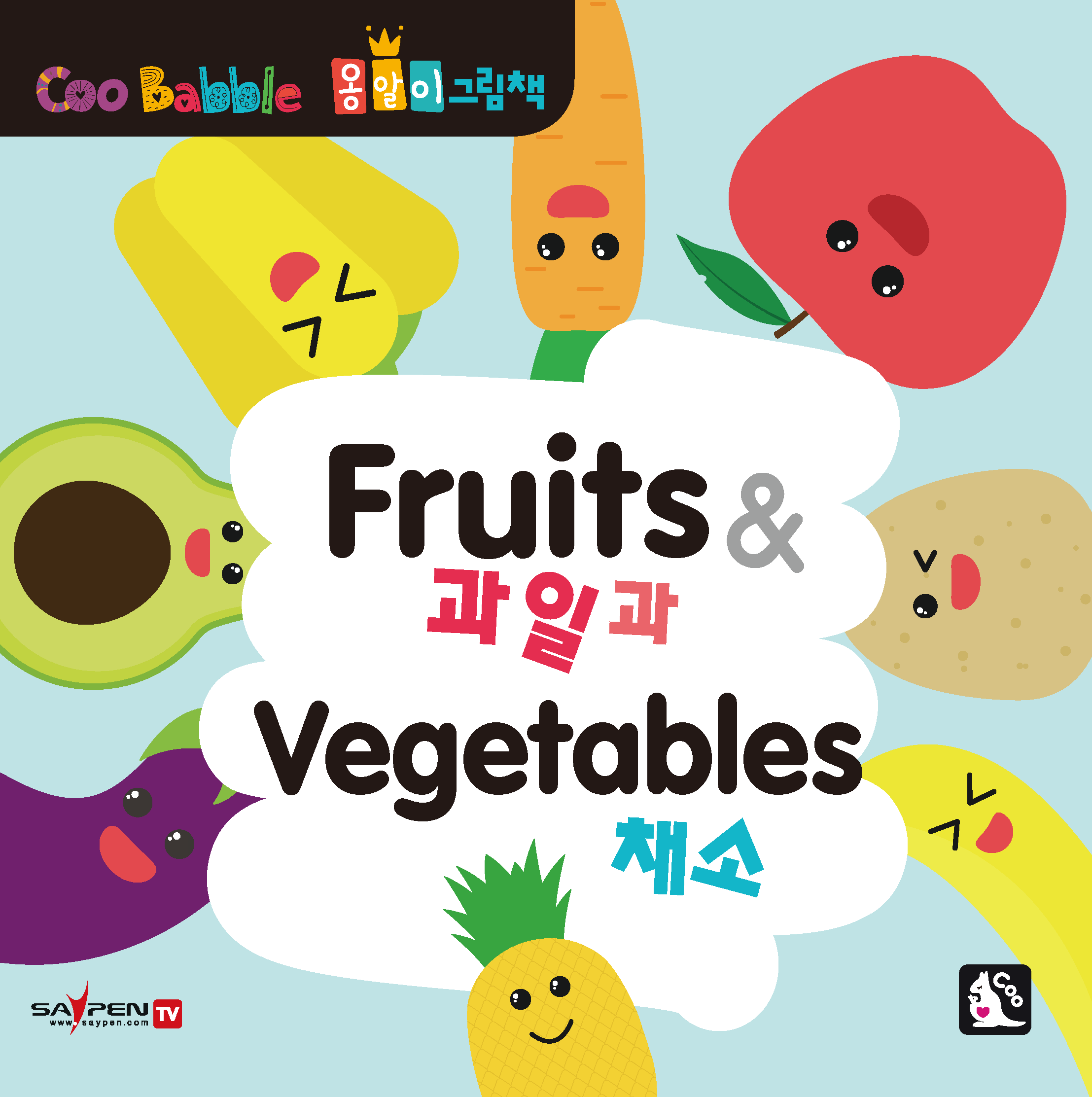
Young readers learn familiar fruits and vegetables from everyday life, along with sentence patterns for describing appearance and taste.
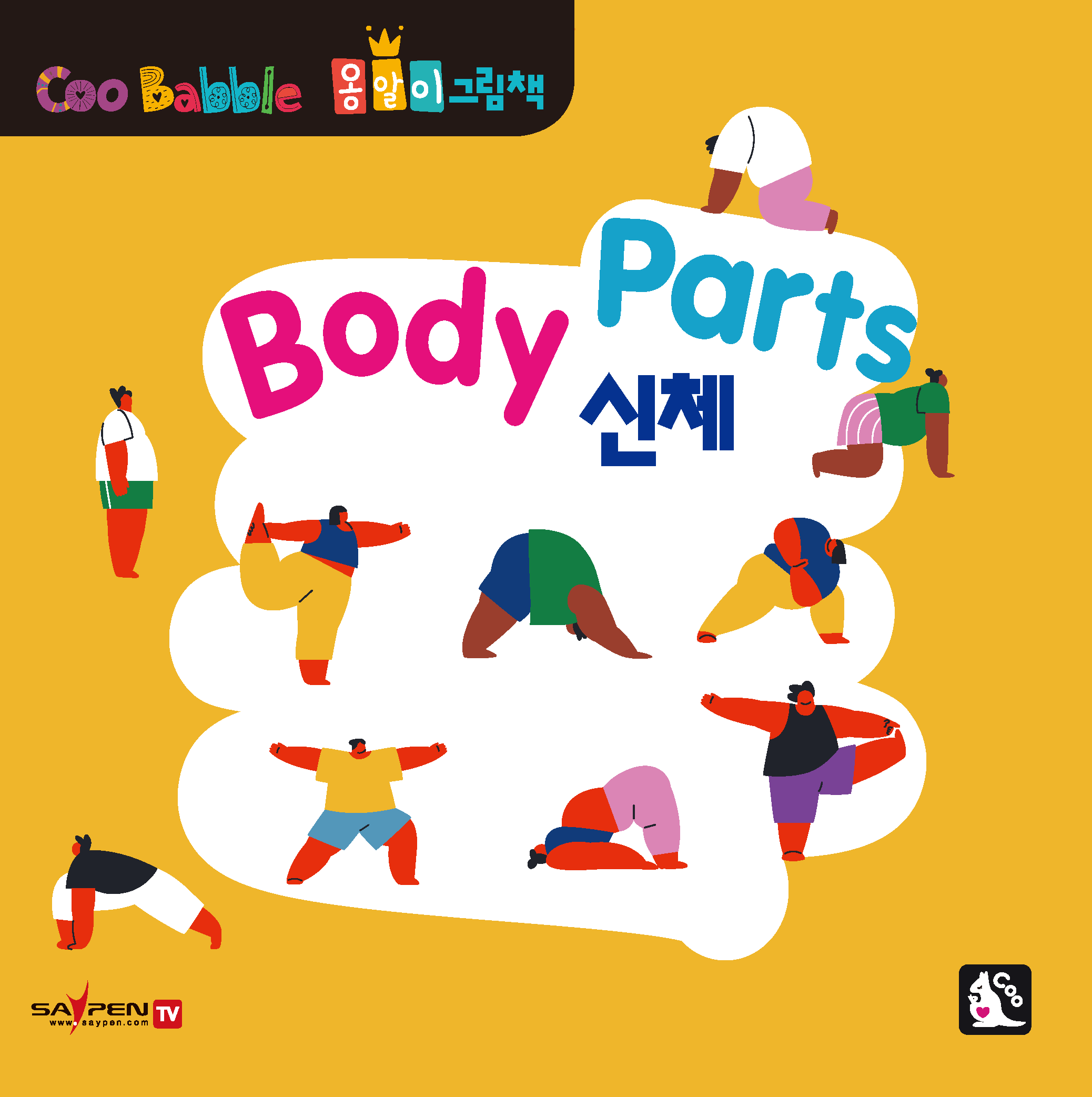
Children recognize body parts, learn related vocabulary, and practice using the words in simple sentences about the body.
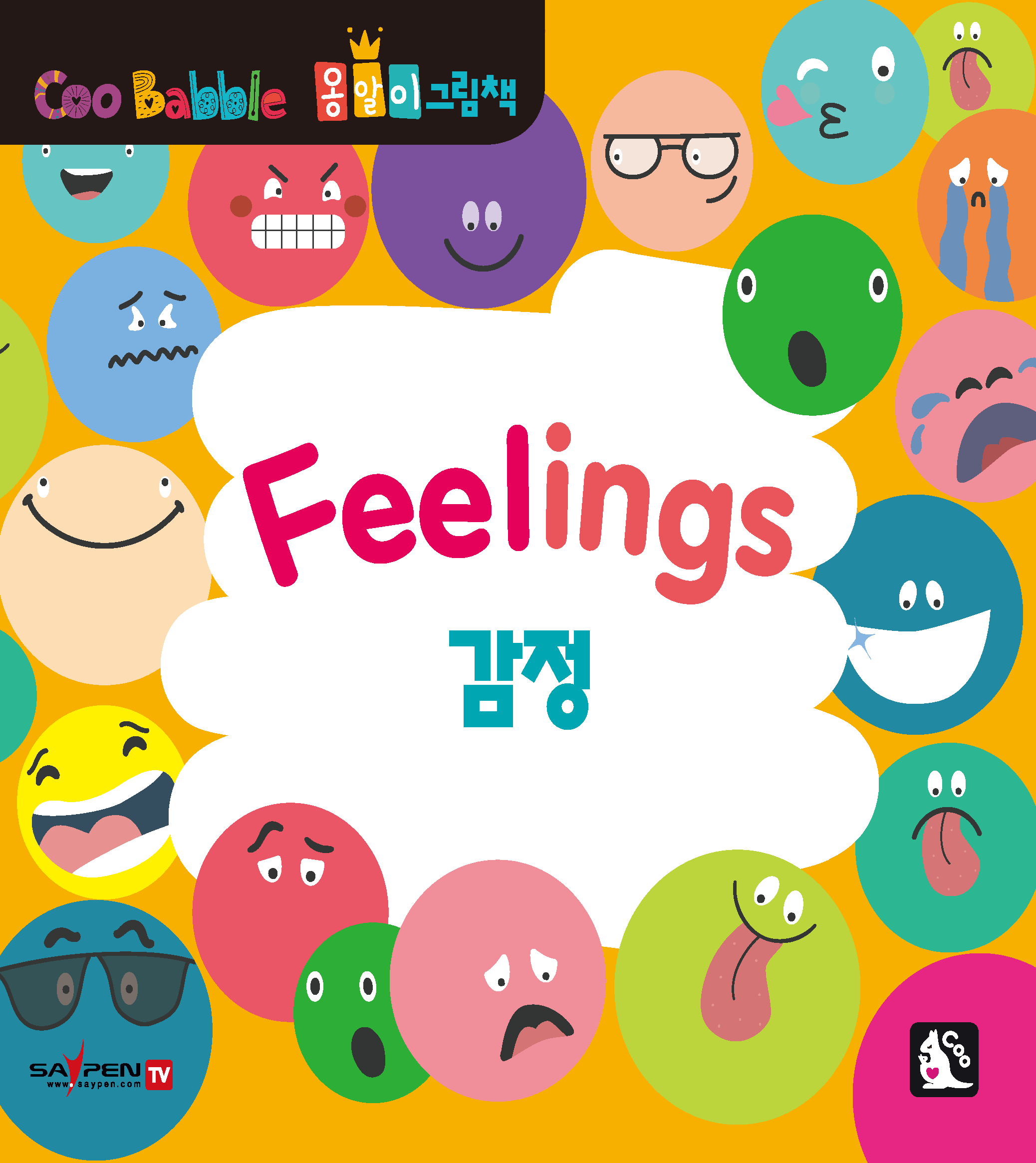
Young readers learn words and sentences for expressing feelings, helping them describe their emotions in more specific ways.
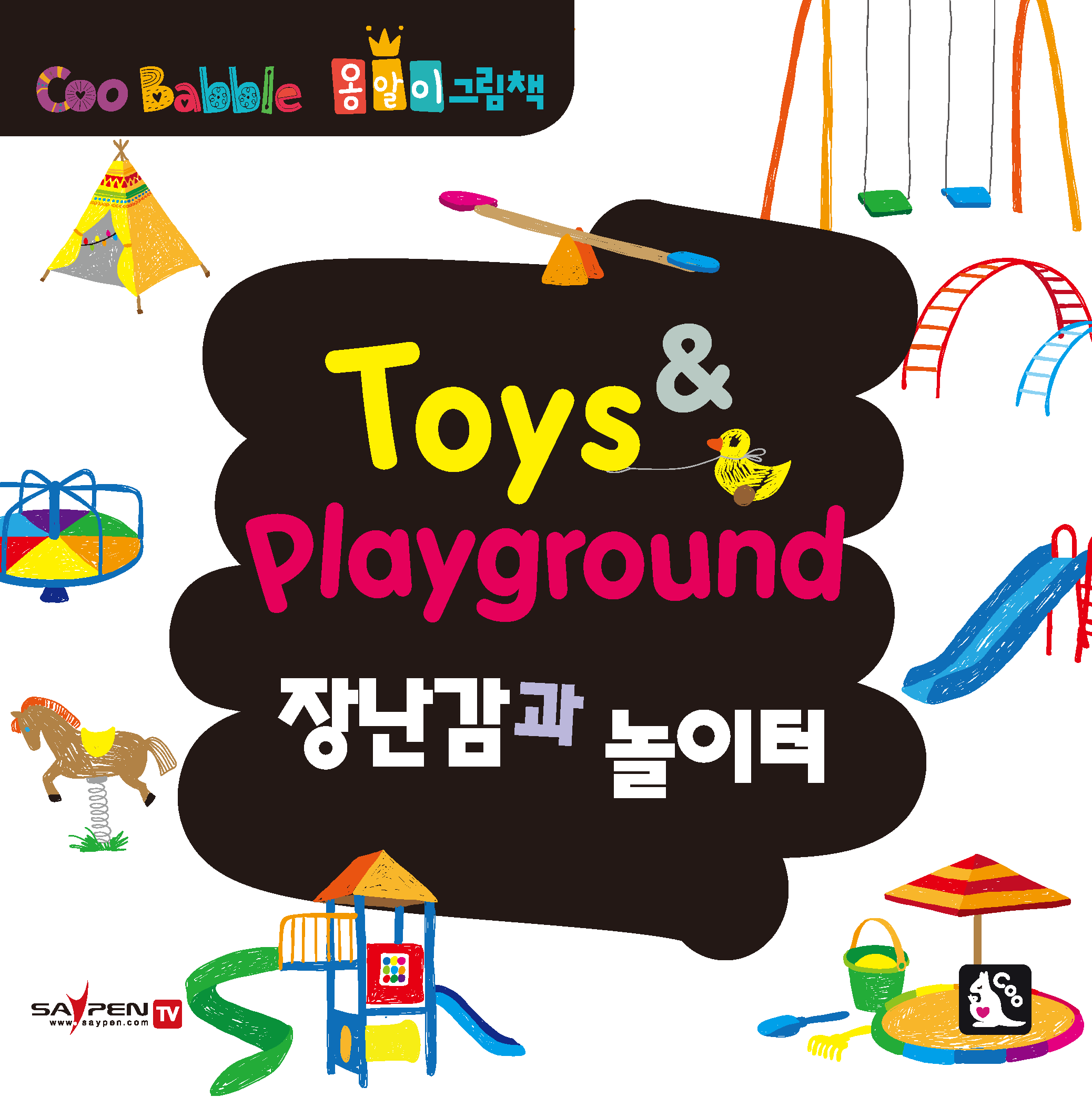
Young readers learn words and simple sentences related to toys and playground equipment.
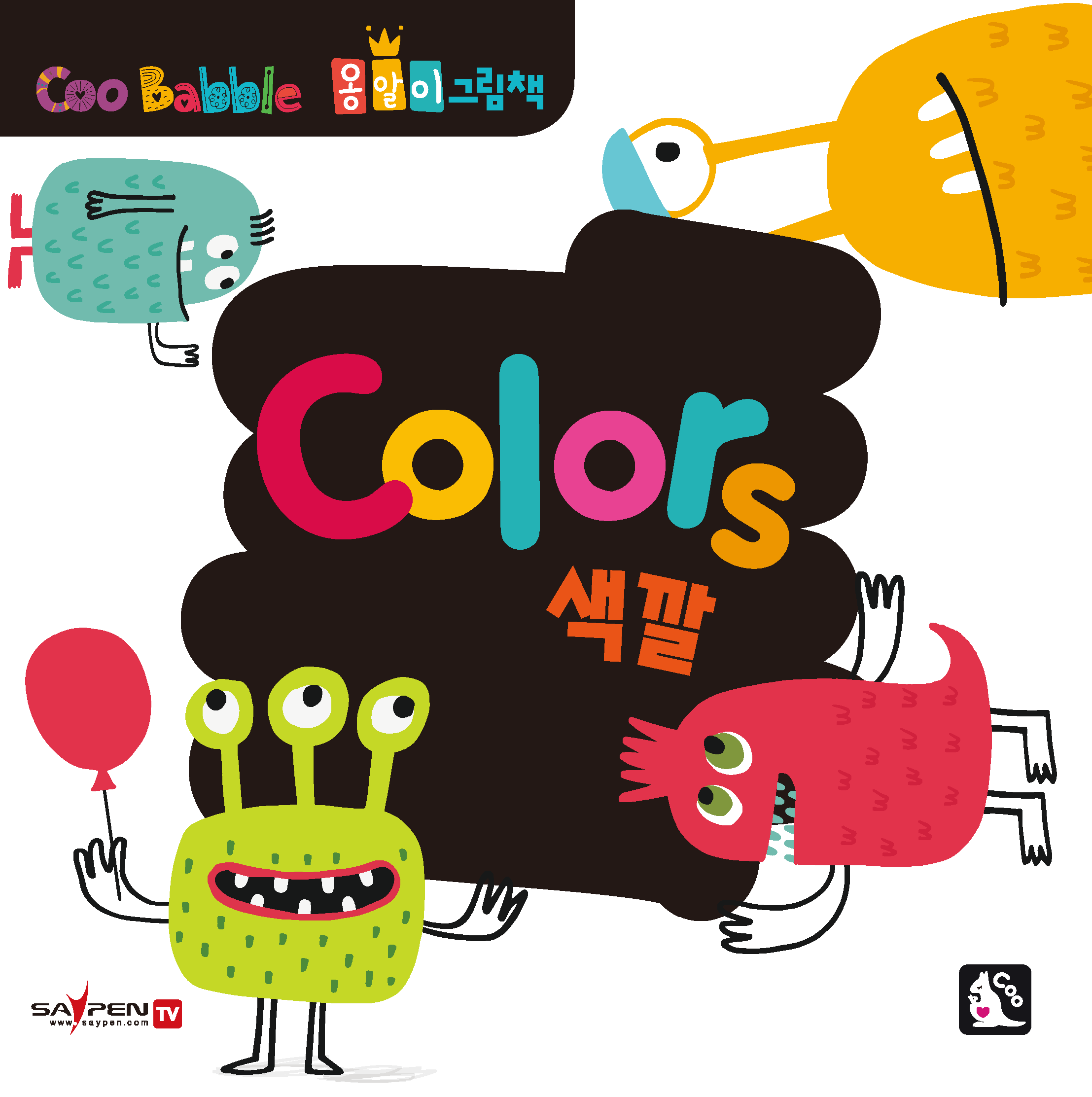
Young readers learn 12 colors with playful Monster friends, making color vocabulary fun and easy to use.
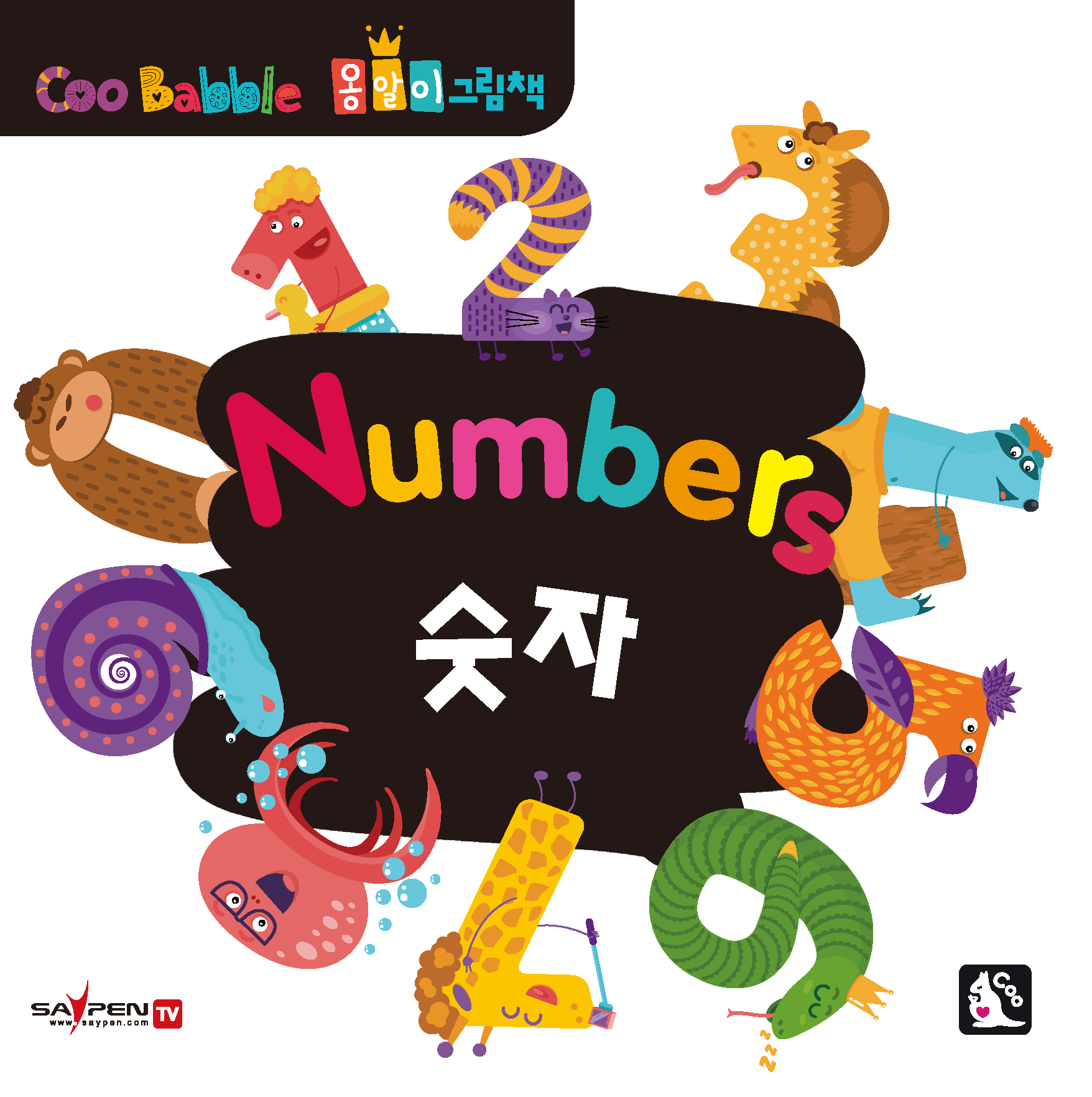
Young readers learn numbers from 0 to 10 by connecting number recognition with clapping, creating an easy and engaging first step into numbers.
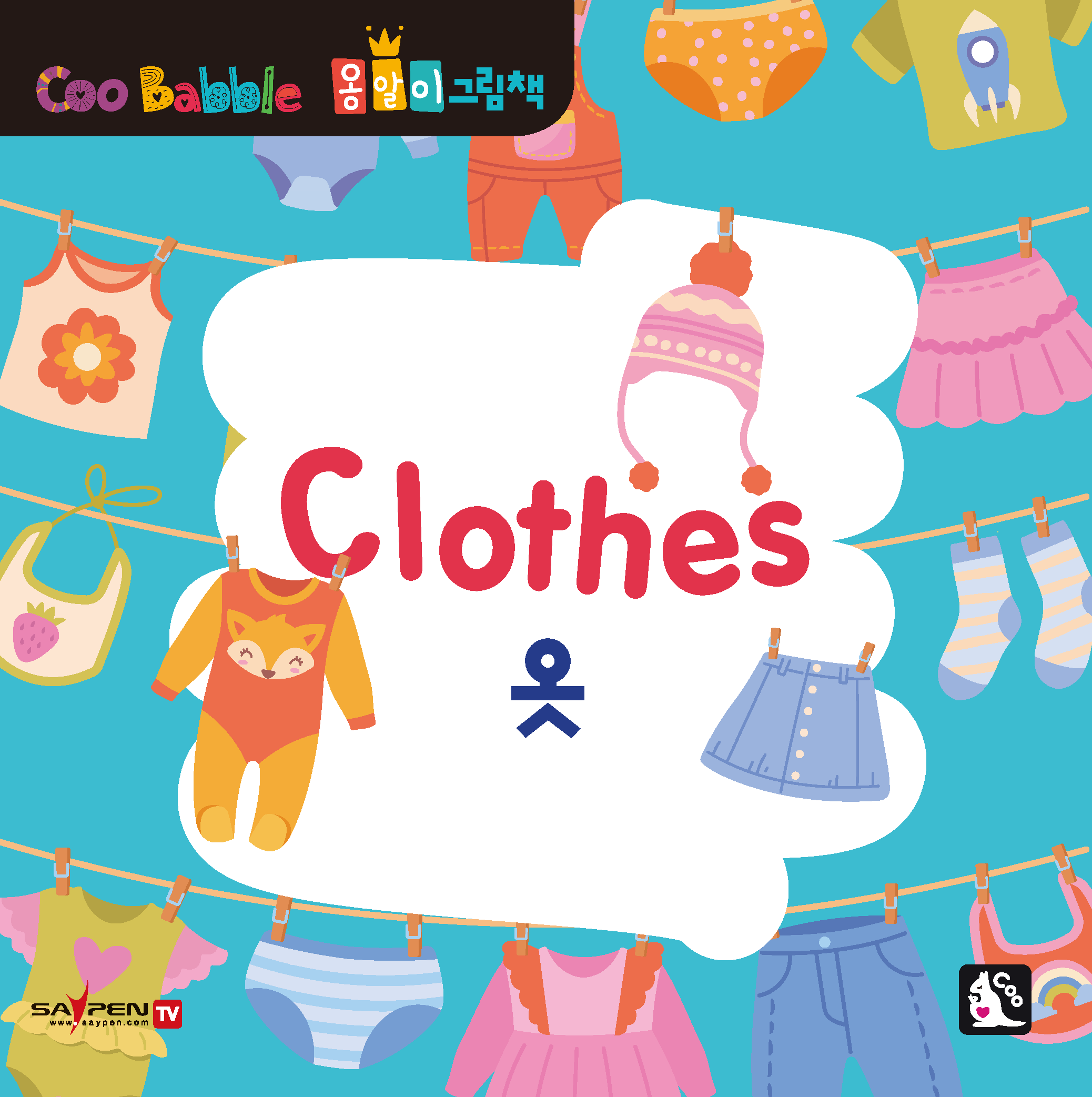
Young readers learn vocabulary for clothing they wear, and practice introducing clothes and describing when different items are worn.
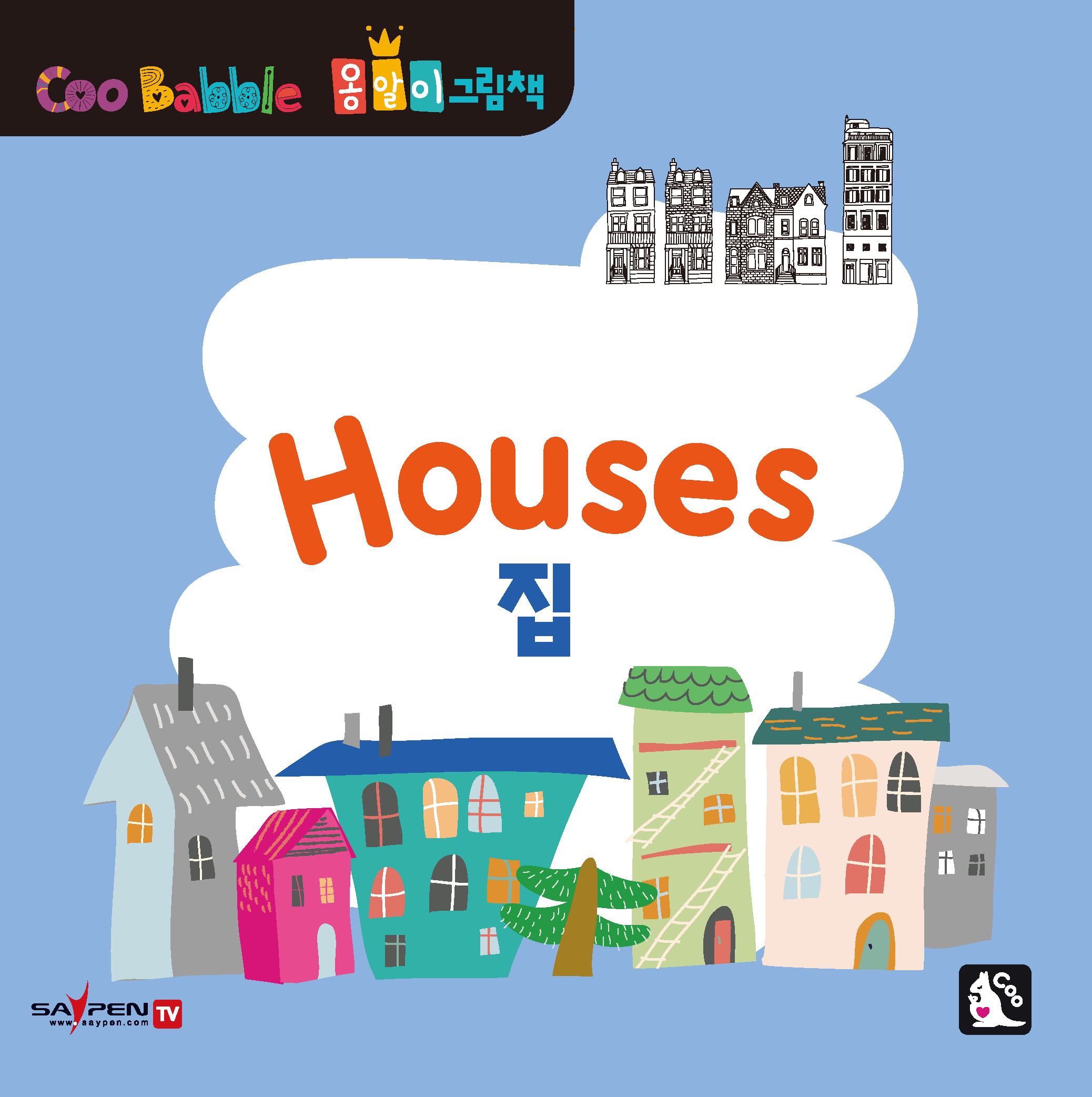
Young readers learn rooms and everyday items inside the home, while practicing sentences used to describe each space.
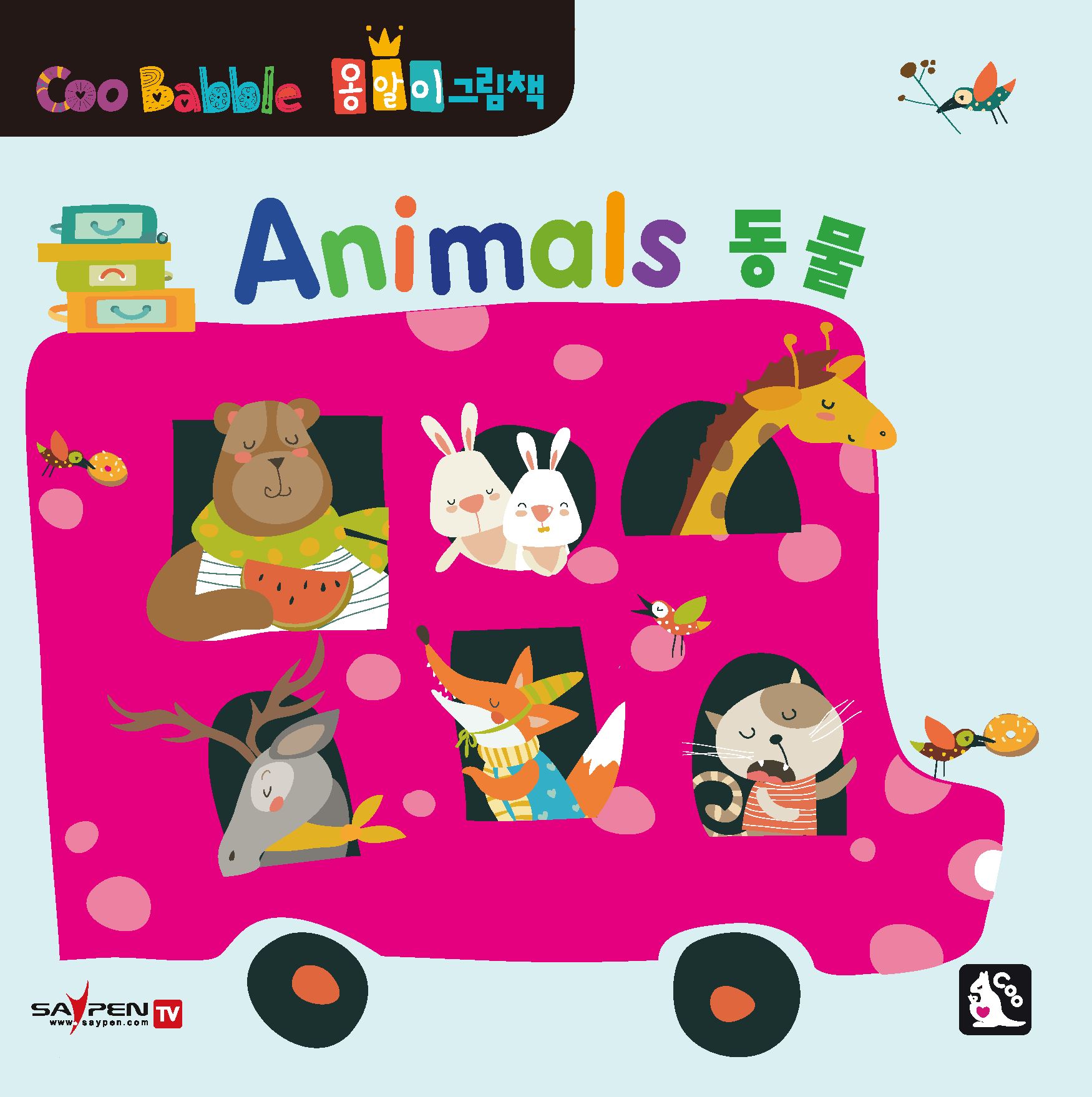
Introduces farm animals and wild animals, including special words for baby animals and simple sentences for describing them.
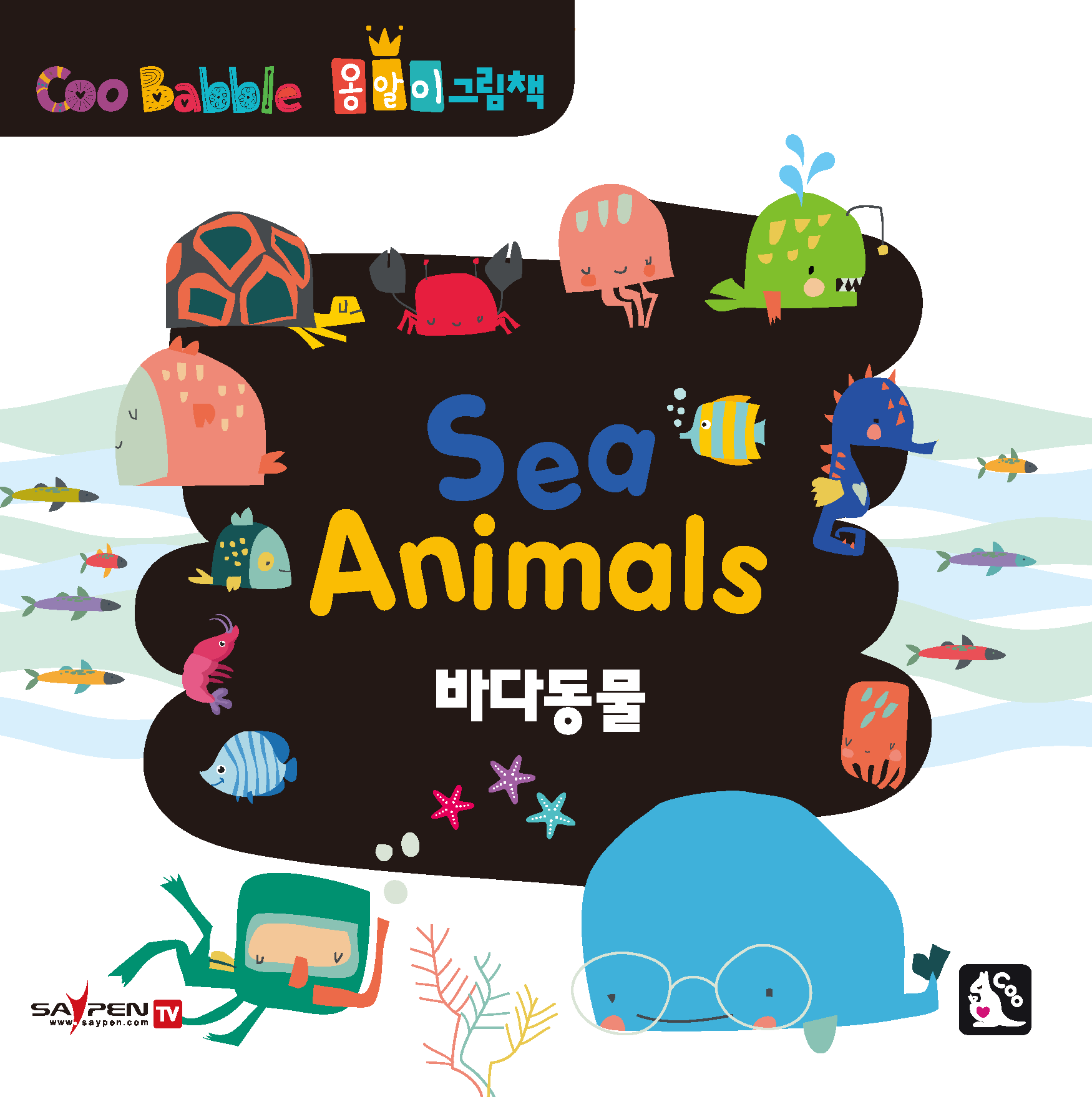
Introduces sea animals, helping children learn their names and practice describing their features in sentences.
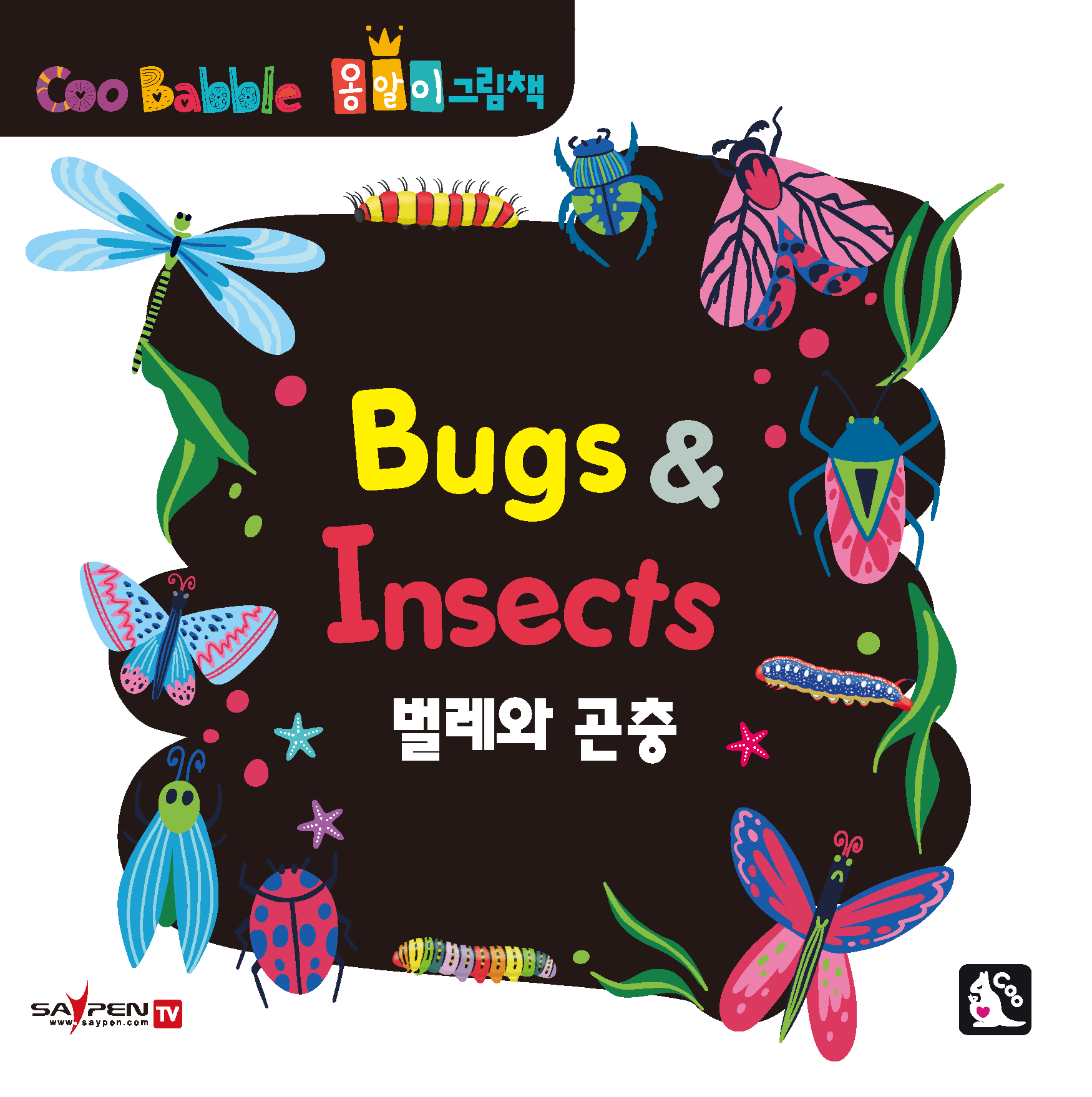
Introduces bugs and insects, helping children learn related vocabulary and use it in simple expressions.
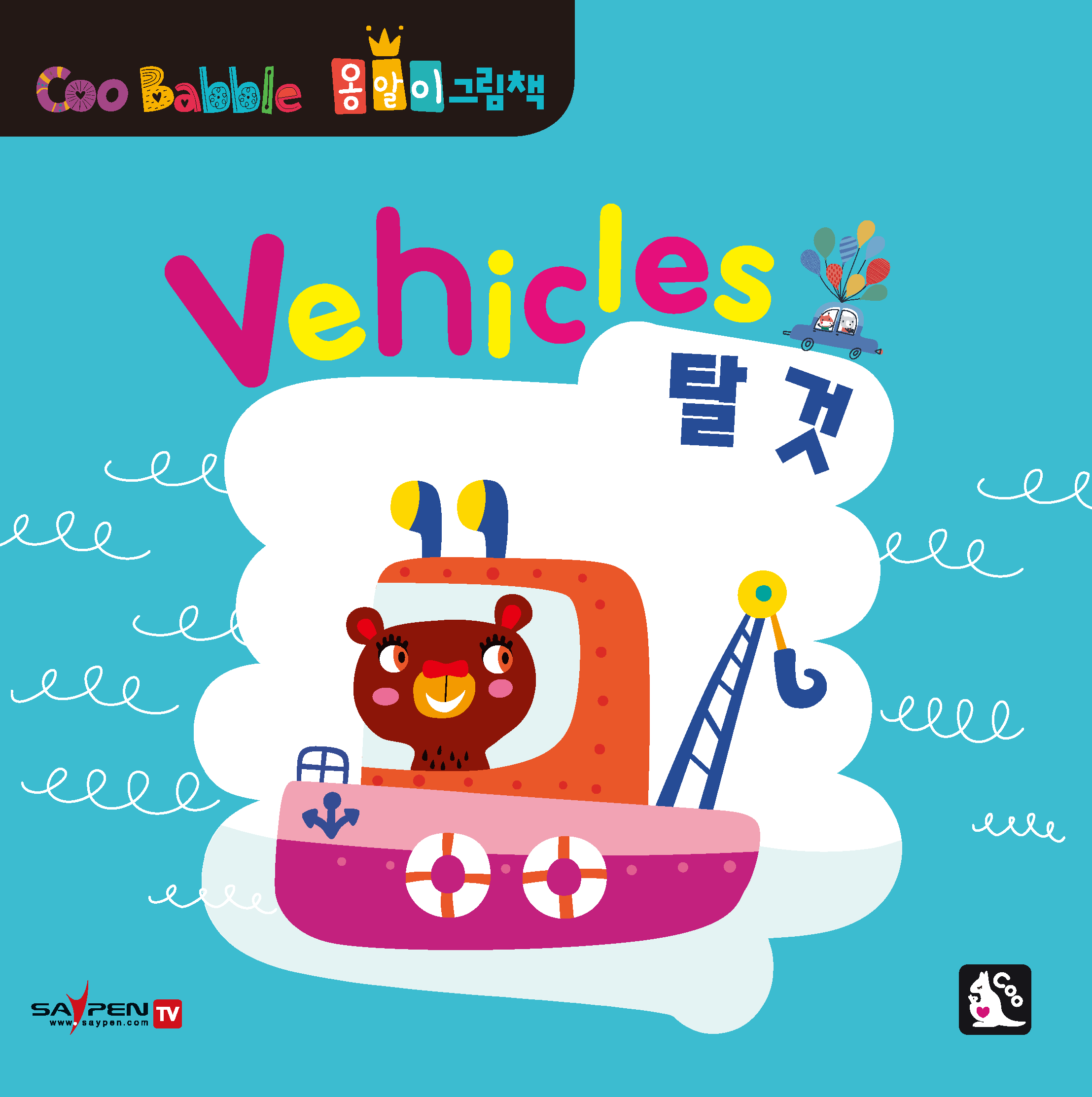
Young readers learn about ride-on toys and familiar forms of transportation they encounter in everyday life.
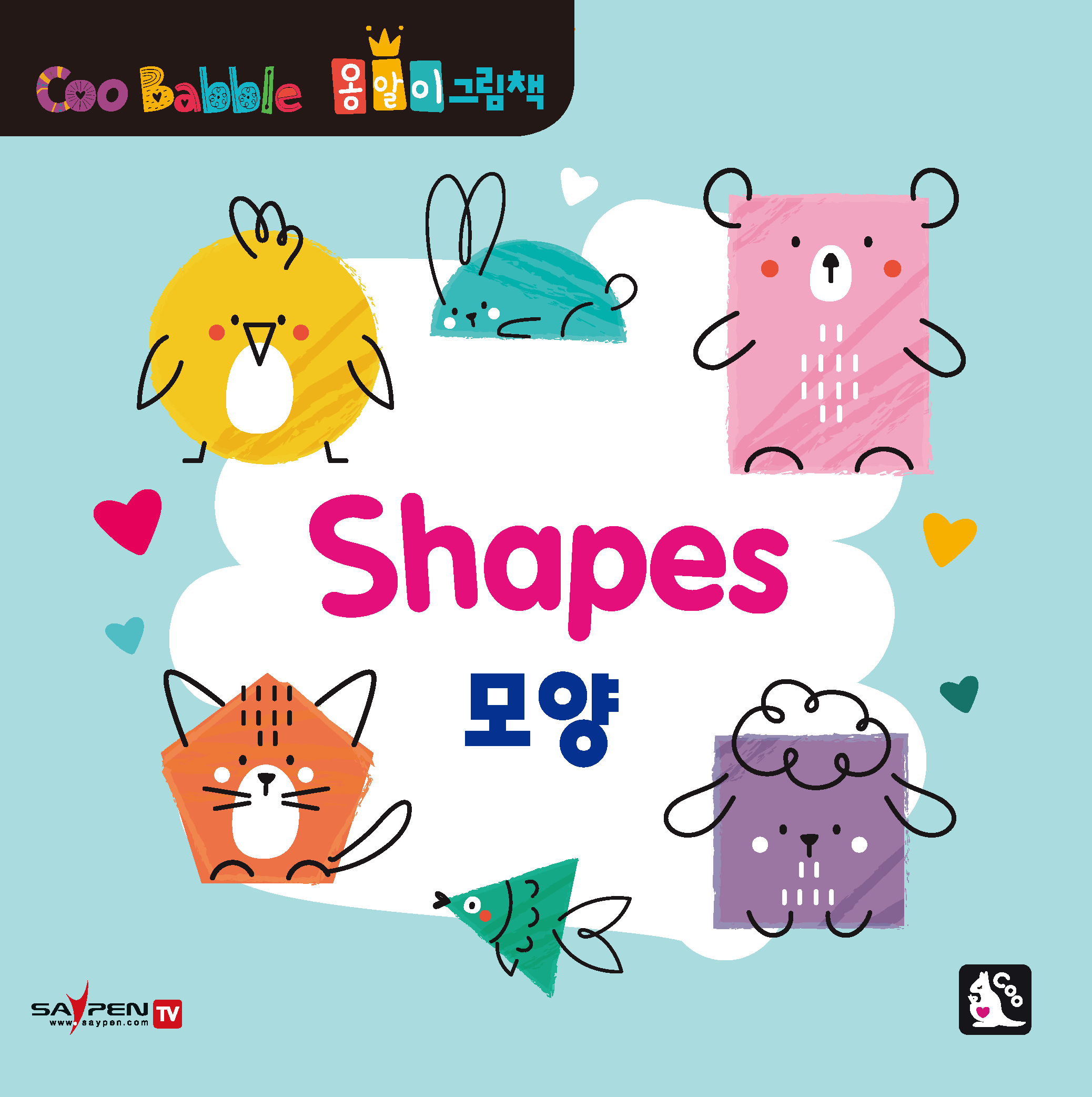
Children connect familiar objects with shapes, learn related vocabulary, and practice sentences that describe an object's shape.
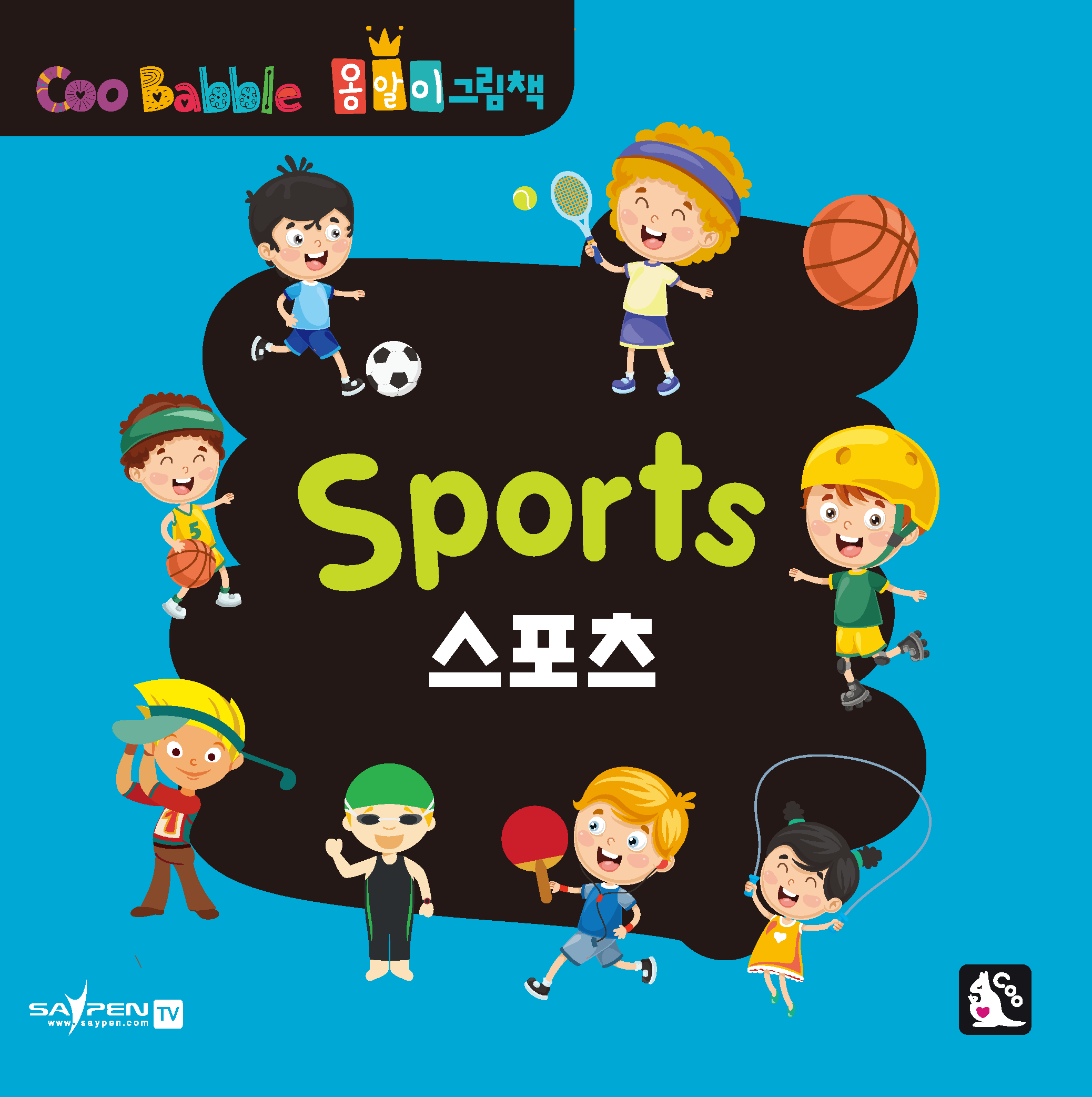
Young readers learn vocabulary for a variety of sports and practice introducing the sports they play in simple sentences.
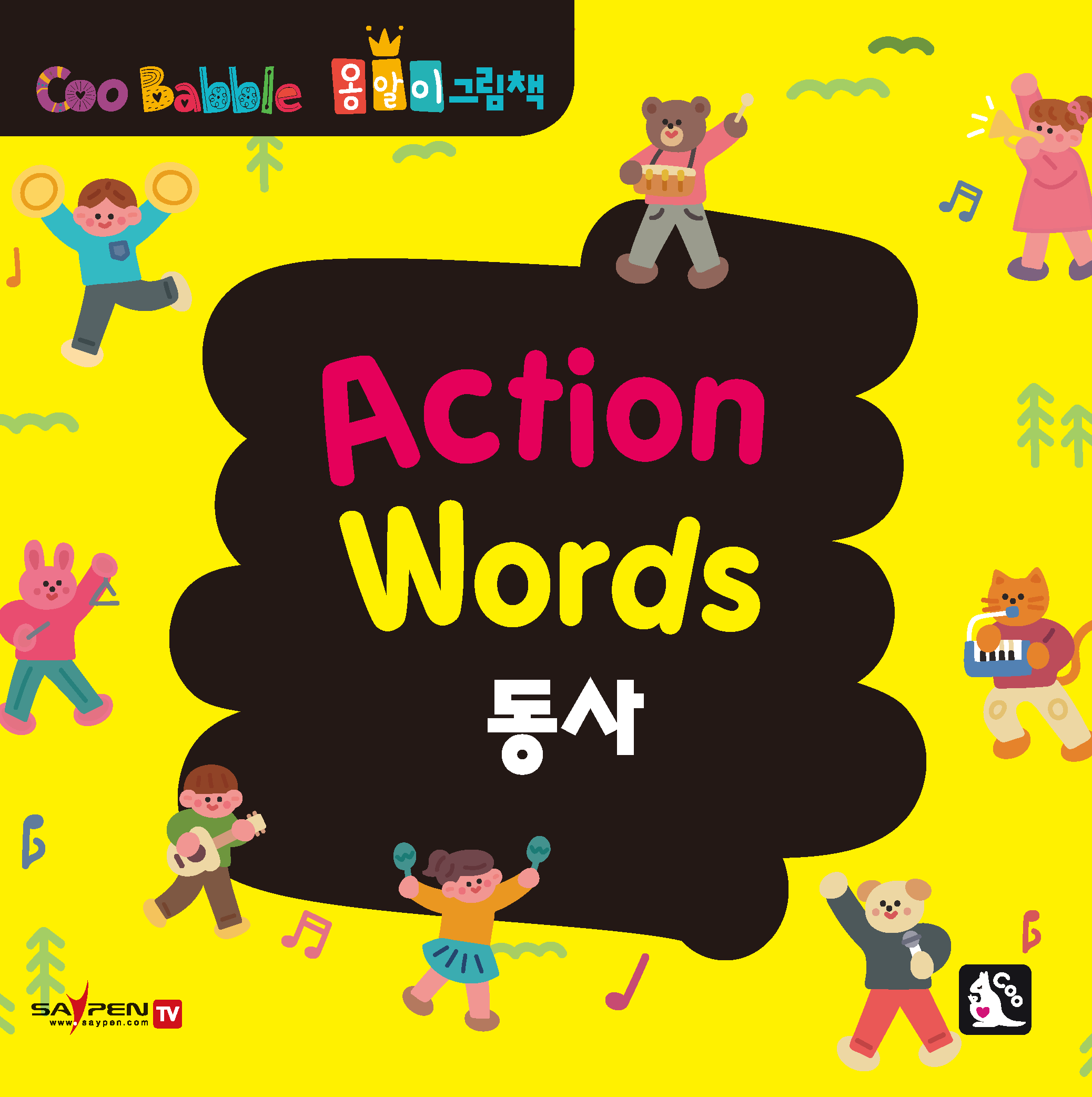
Young readers learn how to use common everyday verbs to express their own movements in sentences.
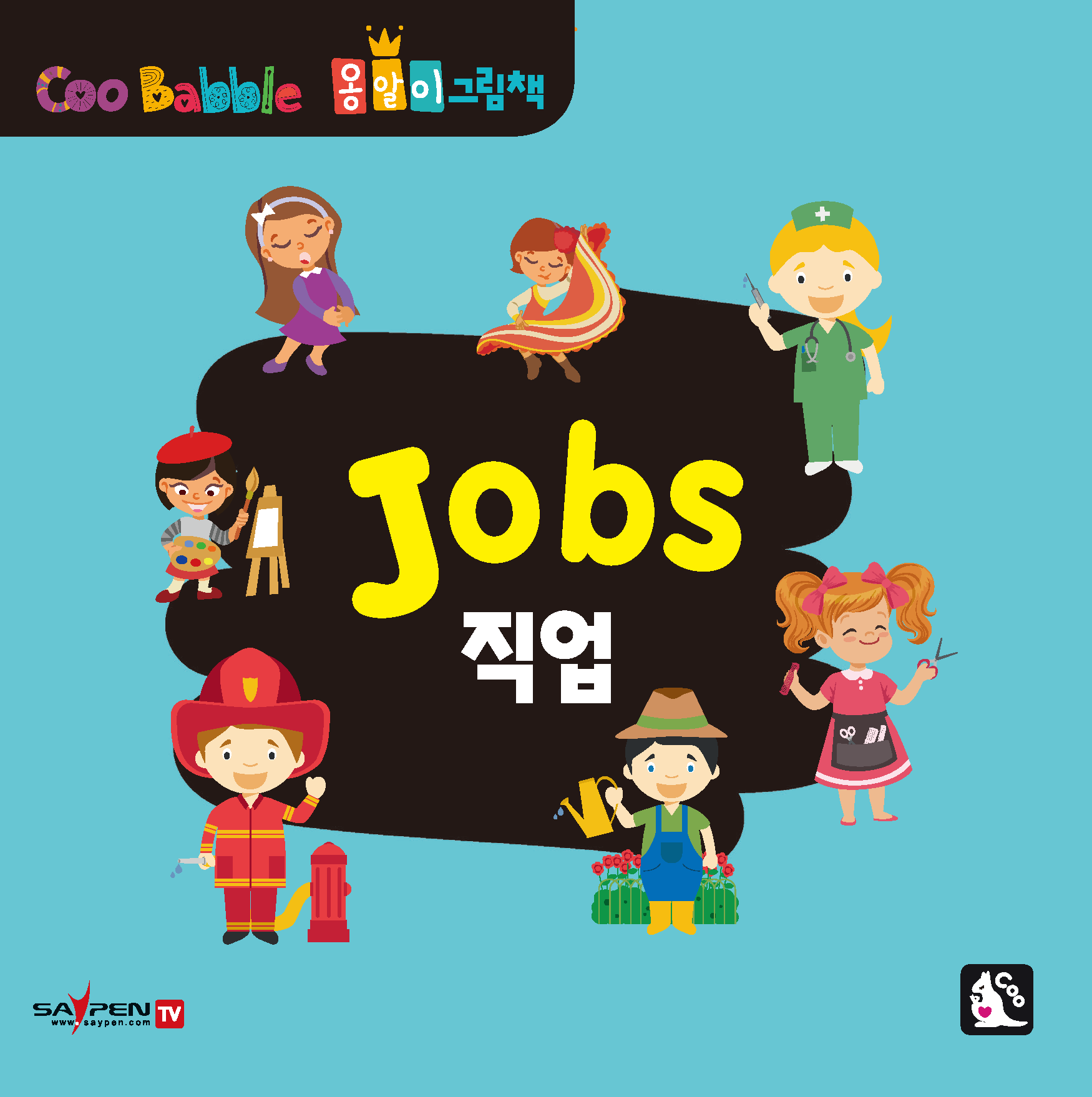
Characters introduce their jobs, helping children learn about different occupations and practice sentences for introducing themselves.
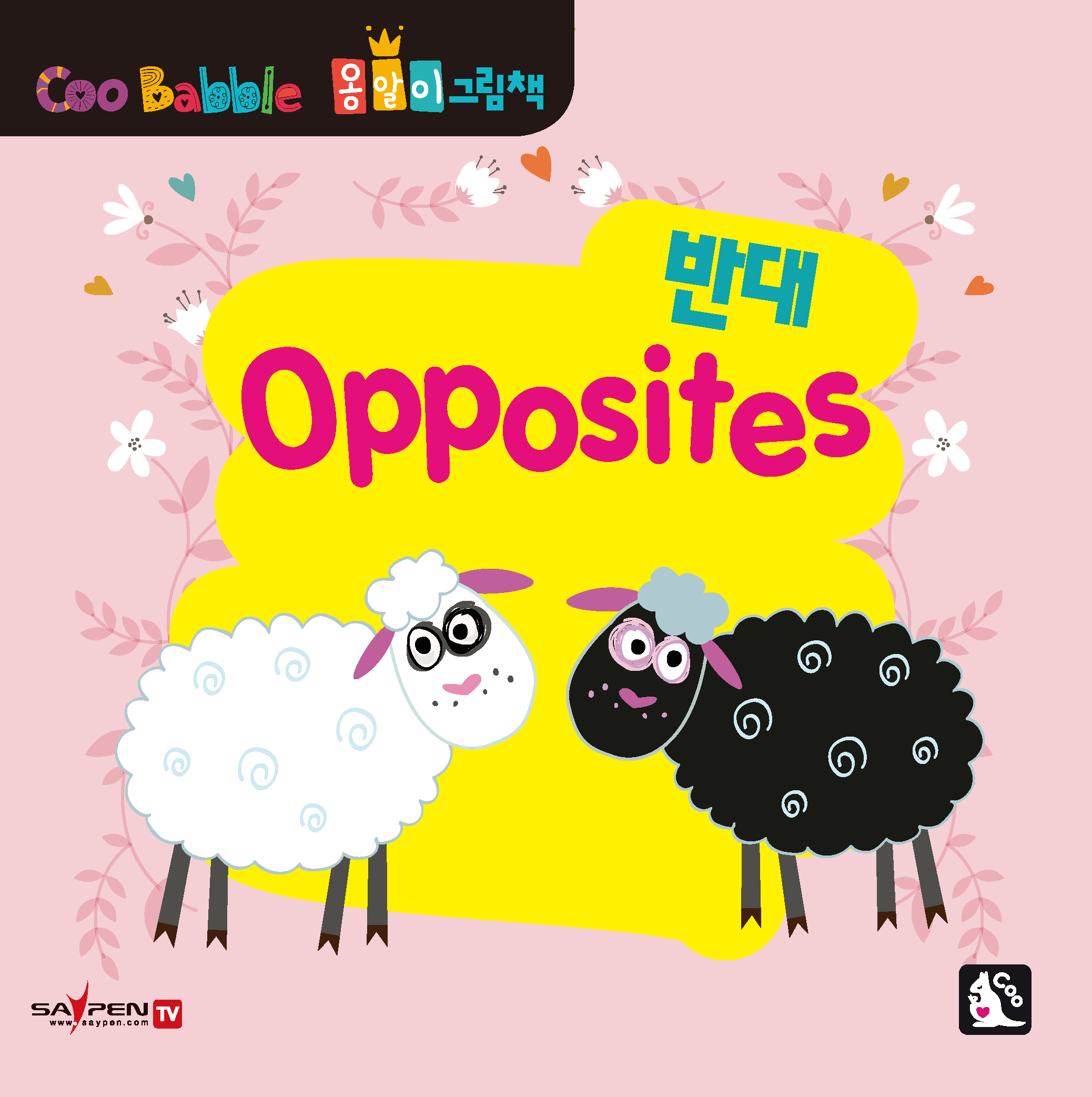
Young readers learn words with opposite meanings and use them in sentences that describe objects and situations.
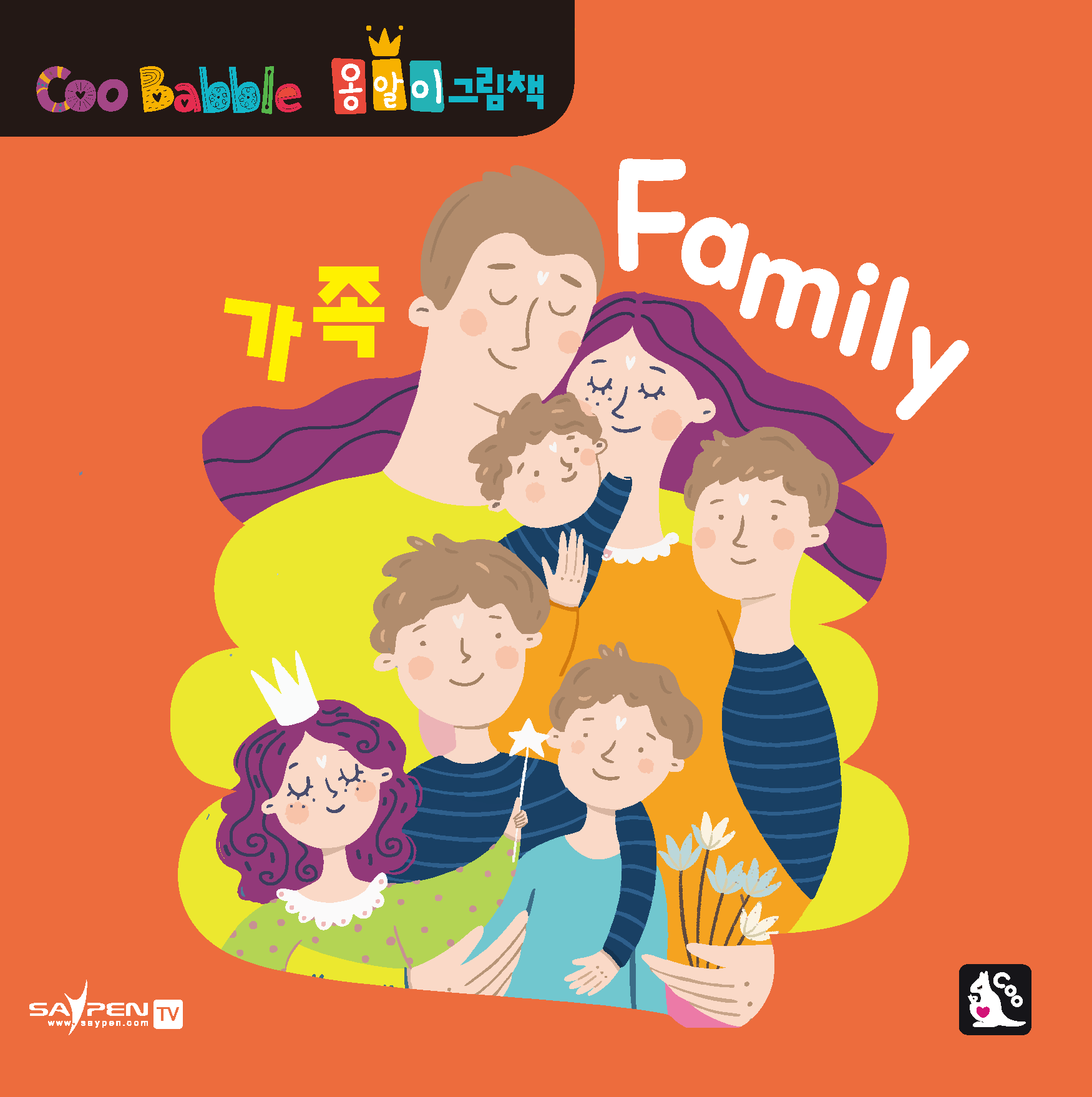
Young readers learn family member names and practice sentences for introducing themselves as part of a family.
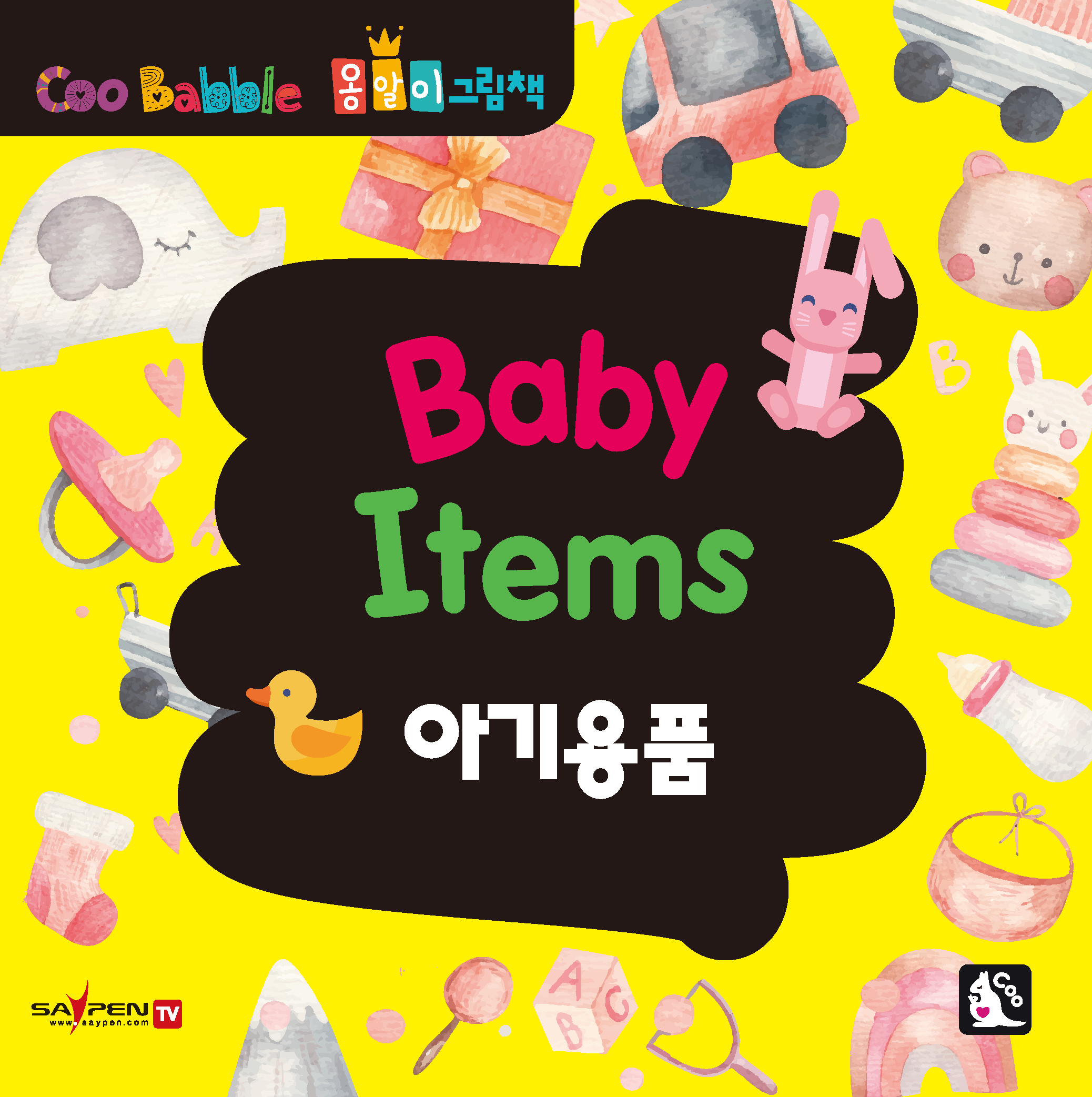
Young readers learn the names of familiar baby items they use themselves, then practice sentences that introduce each item.