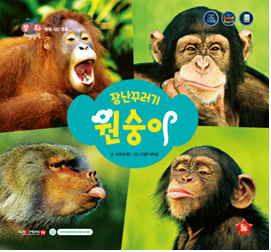
Playful Monkeys
What comes to mind when you think of monkeys? There are many kinds of monkeys, so everyone may imagine a different one. This book explores the behaviors and characteristics of various monkeys.
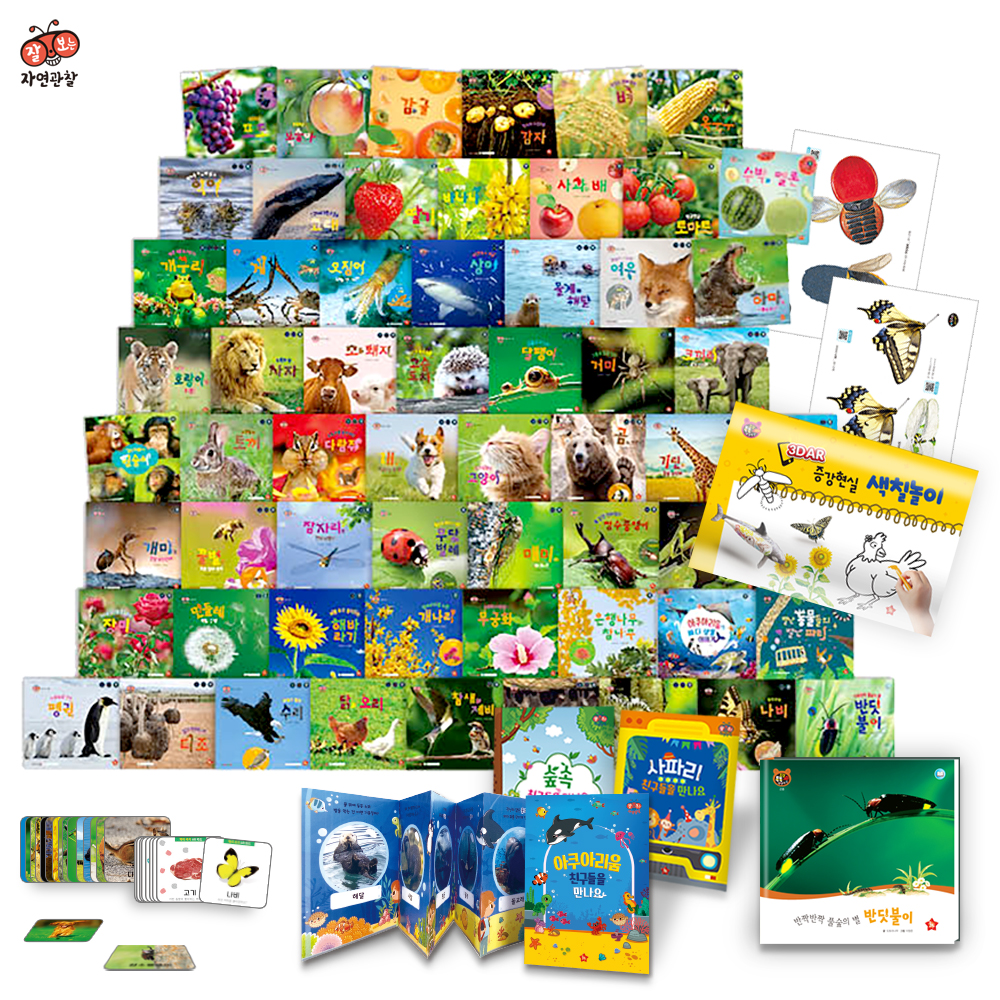
Science & Nature
A five-senses nature observation series combining vivid photography, warm detailed illustration, scents, textures, pop-ups, and AR activities. Children experience movement and sound in nature while building observation and language skills.
Step 3
Review the books in this series and open available sample previews.
What comes to mind when you think of monkeys? There are many kinds of monkeys, so everyone may imagine a different one. This book explores the behaviors and characteristics of various monkeys.
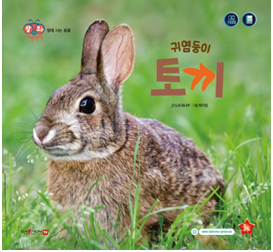
Why do rabbits have such long ears? How do they hop so well? From their bodies to what they eat and where they live, this book answers children's questions about rabbits.
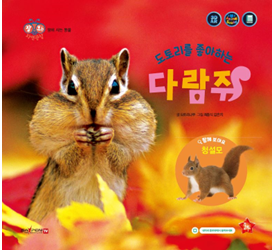
Squirrels are hardworking little housekeepers. When they find acorns, they store them for winter and even dry their leafy bedding in the sun. The title follows the busy life of squirrels.

Sniff, sniff! A shiny black nose. Perked-up ears that hear even tiny sounds. Woof, woof! Sharp teeth, a soft fluffy belly, and a wagging tail. This title introduces our familiar friend, the dog.
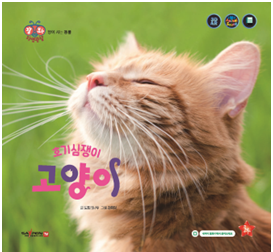
A cat walks lightly along a high place. Oh no, it falls! But it is not hurt at all. Why can cats be safe even after falling from high places? This book explores their light steps and flexible bodies.
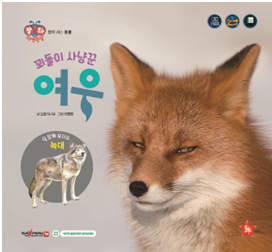
Baby foxes huddle together in a den. What do baby foxes eat as they grow? How do they learn to hunt? This book follows young foxes as they grow.
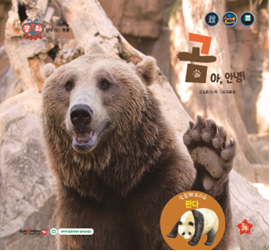
What animal can walk on four legs and also on two? A bear. This title looks at bears that climb trees, swim skillfully in the sea, and live in different places with different fur colors.
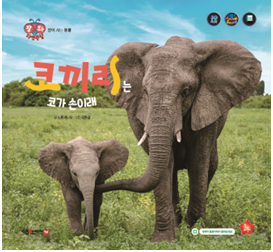
Thump, thump: the ground shakes as a family of elephants passes by. Children follow the elephants and observe how their long, wrinkled trunks work almost like hands.
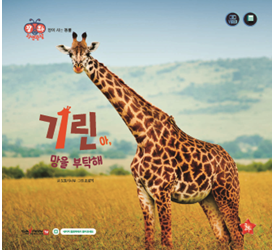
What tall animal can be seen from far away? A giraffe. Giraffes have long necks and legs, so they can easily eat leaves at the tops of trees. But how do they drink water from the ground?
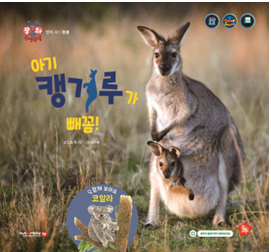
In Australia, a baby kangaroo is usually close to its mother, but today it seems to be hiding. Children search for the baby kangaroo and learn about how young kangaroos stay near their mothers.

Shh! A tiger is snoring during a daytime nap. Tigers hunt at night and sleep during the day. What helps them hunt so well in the dark? This book reveals the secrets of these skilled hunters.
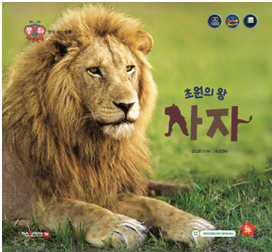
This nature observation title presents lions, their family groups, hunting, parenting, and the growth of cubs. Young readers learn why the lion is often called the king of the savanna.
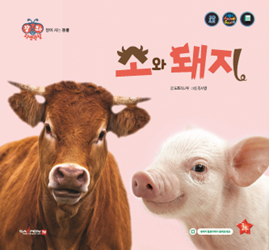
Munch, munch. What is the cow eating? Cows seem to chew all day. Roll, roll. Is a pig really dirty when it rubs in the mud? This title presents two familiar animals: cows and pigs.
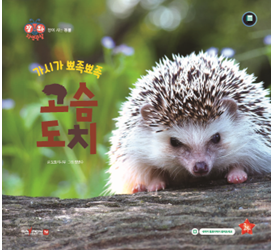
A hedgehog raises its sharp spines and curls into a ball. Looking like a prickly chestnut burr, when does a hedgehog move around, what does it eat, and how does it protect itself?
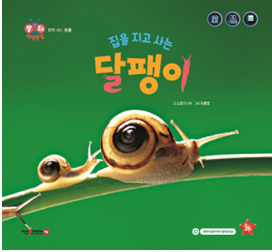
Slippery trails appear on the ground. They are traces left by snails carrying their homes. What does the mucus from a snail's body do, and when does a snail go into its shell?
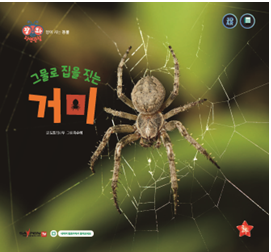
Whose home is woven tightly from white threads? It belongs to the spider, a remarkable builder. Spiders use webs to catch food and protect eggs. But are spiders insects? This book helps children find out.
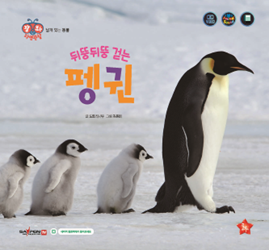
On the icy ground of cold Antarctica sits a white egg: a penguin egg. What happens if it freezes? This book follows a baby penguin as it hatches safely and grows under the care of its parents.
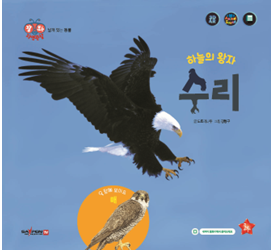
A sharp beak and fierce eyes: this is the eagle, a prince of the sky. An eagle catches prey with sharp talons and carries it to its young. Where will the baby eagle go after it grows up?
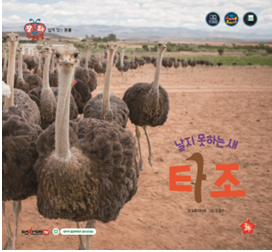
Ostriches have large wings, but their bodies are too big for flying. Instead, they use long necks to look around and long legs to run fast from danger. This title presents ostriches as birds that cannot fly but can run well.
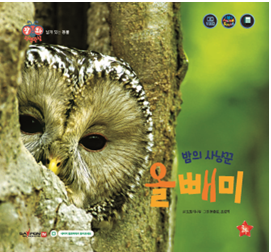
Hoo, hoo. On a dark night, nothing seems visible. But owls, with their large round eyes, can see in the darkness. They can even look behind them. How can owls see so well all around in the dark?
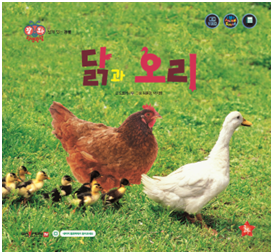
Cock-a-doodle-doo! A mother hen and chirping chicks peck at their food. What are they eating? Quack, quack! A duck family floats on the water. How can ducks stay afloat without getting soaked? This book compares chickens and ducks.
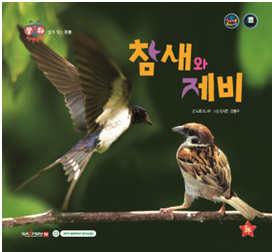
Chirp, chirp. Sweet birdsong fills the air. Who is singing? Sparrows and swallows. This book looks at how these familiar birds find mates and raise their young.
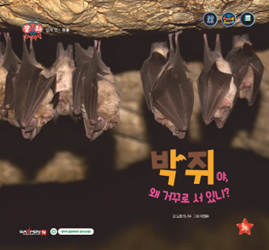
Bats actually have poor eyesight. How can they fly so well in the dark? This book explores the secrets of bats, hunters of the dark that avoid obstacles and catch prey even when they cannot see clearly.
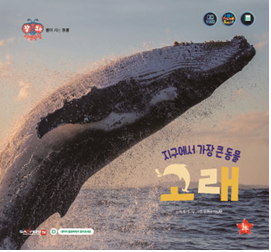
A huge spout of water suddenly rises in the middle of the sea. A singing sound echoes underwater. Whales are behind both mysteries, and the title explains why they spout and sing.
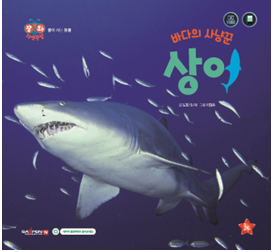
A shark catches a delicious scent and swims quickly toward it. All the fish flee in fear. But even a fearsome shark has friends. How do sharks smell so well, and who are their friends?
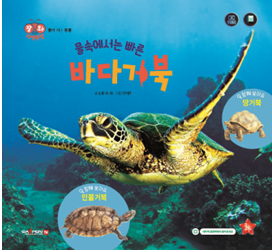
A mother sea turtle returns home to lay eggs. At night, she digs in the sand, lays her eggs, and goes back to the sea. Can the baby turtles hatch, avoid predators, and reach the ocean where their mother is?
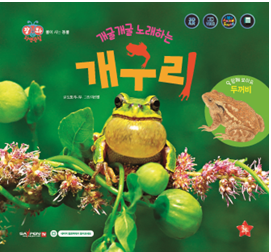
A large balloon seems to puff out under a frog's chin. It is the frog's vocal sac. A female frog comes after hearing the male frog's croak. This book follows how frog eggs grow and develop.
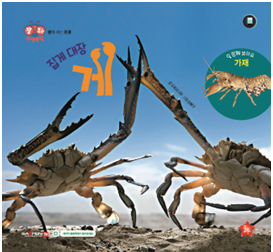
A crab living on a mudflat comes out of its home to eat. Then a sandpiper, its natural enemy, grabs its leg. How will the crab escape, and how does it use its large claws?
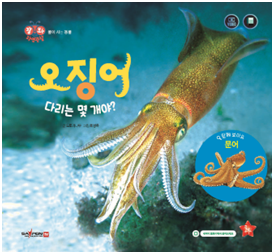
A frightening shark appears in front of a school of squid swimming through the sea. How will the squid escape? The title presents the many ways squid avoid being caught by predators.
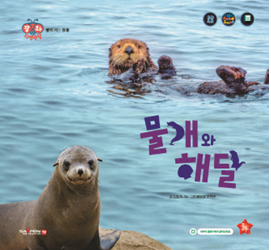
How can seals swim so well underwater? How can sea otters float on the water and sleep? This book explores what seals and sea otters eat and how they live.
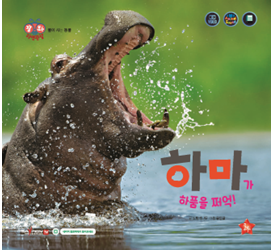
Hippos, with their huge mouths, spend most of their time in water. They give birth in water, nap there, and even defecate there. What happens when a hippo does this underwater?
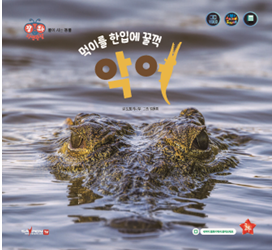
Animals are peacefully drinking by the water. Suddenly, a crocodile opens its mouth wide and snaps up its prey. How did the crocodile appear when no one seemed to be there?
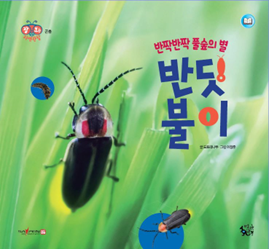
Flashes of light move through the darkness. They are fireflies. Fireflies can make light at the ends of their bodies, and different kinds create different levels of brightness and patterns. This book invites readers into their mysterious world.
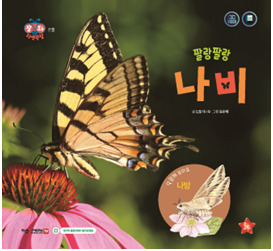
A caterpillar comes out of a round yellow egg. The flowers giggle at the awkward-looking caterpillar. But the caterpillar eats leaves, grows, and becomes a beautiful butterfly. This book follows how a caterpillar becomes a butterfly.
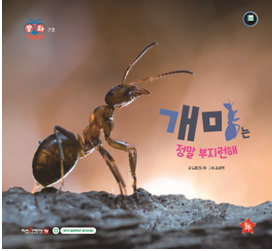
A ladybug is attacking aphids. Then an ant comes and drives the ladybug away. Why does the ant help the aphids? How do ants recognize others from the same colony? This book explores the fascinating world of ants.
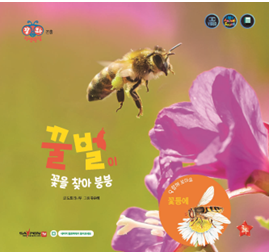
A honeybee buzzes and dances in a figure eight. What does this dance mean? This title explains the honeybee dance and visits the hive to meet worker bees, princess bees, the queen bee, and learn what each one does.
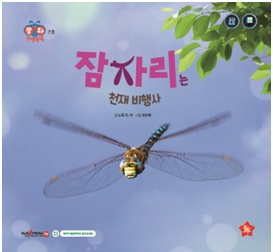
A dragonfly flies through the sky: darting upward, swooping downward, circling slowly in place, and stopping suddenly with ease. It can even fly backward. This book reveals the secrets of a dragonfly's flight.
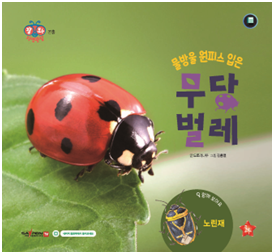
What insect wears polka dots in red, yellow, black, and other colors? A ladybug. The title looks at what ladybugs eat and how they escape when they meet an enemy.
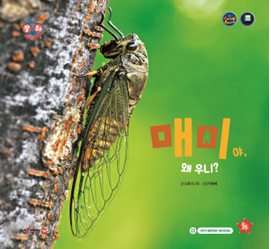
Buzz, buzz! A cicada sings loudly. Did you know that only male cicadas sing? Why do males make that sound, and how can cicadas live underground for so long? This book explores the long, patient life of a cicada.
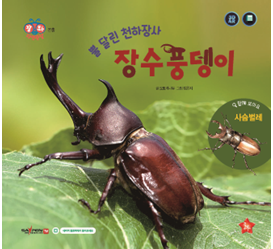
A rhinoceros beetle with hard armor and a long horn smells tree sap and flies in. But a stag beetle with large pincer-like jaws is already eating it. The two beetles fight over the sap. Who will win?
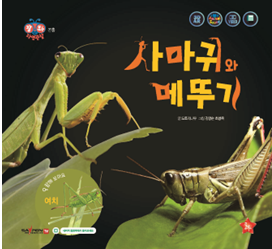
The mantis is a fierce hunter with a triangular face and sharp front legs. The grasshopper is a high jumper with strong, long hind legs. The title compares what these familiar insects eat and how they lay eggs.
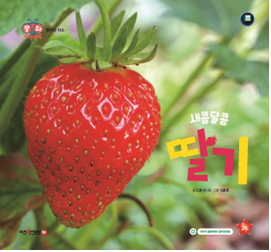
Children look closely at strawberries, from the tiny seeds on the surface to the way the fruit turns red as it grows. The book invites observation of a familiar fruit through scientific questions.
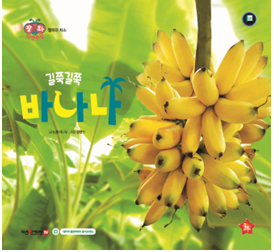
In regions that stay hot all year, huge banana plants fill the fields. But are they really banana trees? A banana plant is made of large leaves wrapped in layers to form a stem. This book explores sweet bananas.
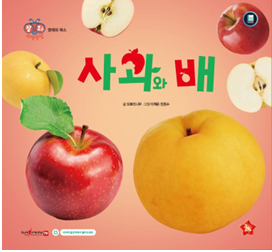
Apple and pear trees are covered with white blossoms, as if snow has fallen. Apples and pears grow where the flowers once bloomed, and the title explains how they form.
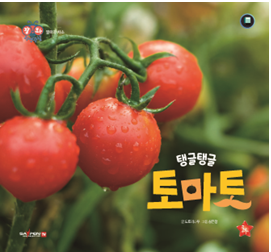
How does a shiny red tomato with a pointed green calyx grow? Is a tomato a fruit or a vegetable? This title takes a close look at tomatoes.
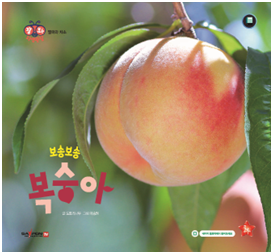
In the cold winter wind, winter buds appear on a peach tree. This book follows how the buds endure winter and become soft, fuzzy peaches, then looks inside a peach.
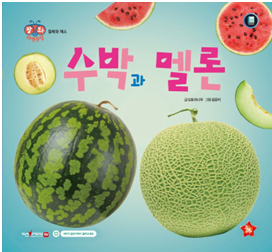
Cut open a green watermelon with dark stripes, and red flesh appears. Cut open a round cantaloupe with a netted pattern, and soft pale-green flesh appears. This title presents watermelons and cantaloupes as fruits that brighten summer.
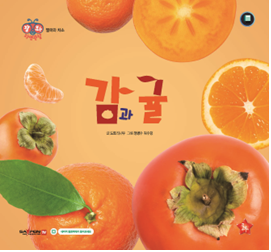
Persimmons hang in clusters, and mandarins grow in little bunches on trees. These sweet fruits are not sweet from the start. How do persimmons and mandarins become sweet as they grow?
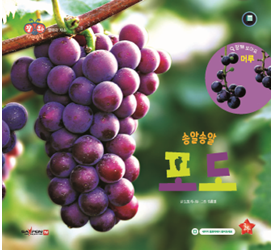
Just as elephants use their trunks like hands, grapevines have their own 'hands': tendrils. Grapevines use tendrils to climb upward. This book follows how grapes grow and teaches how to choose sweeter grapes.
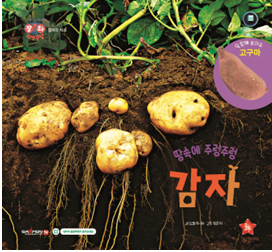
Have you ever seen sprouts on a potato? Potatoes can sprout even without soil or water. They love sunlight, and young potato leaves spread wide to receive more of it. This book takes a closer look at tasty, nutritious potatoes.
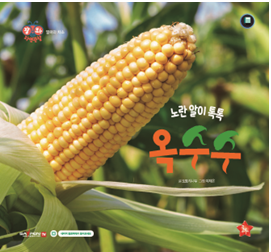
Where are the seeds of tall corn? Even if you cut corn open like an apple, you do not see seeds inside. Corn kernels are the seeds. This book follows how corn kernels grow into tall corn plants.
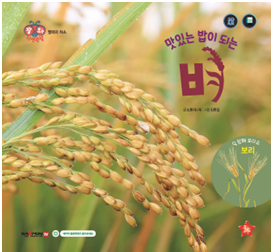
Where does the warm rice on the table come from? What is it called when rice seedlings are moved from a seedbed to a paddy field? This book observes rice plants as their green leaves and grains ripen and turn autumn fields golden.
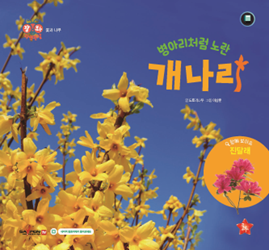
Yellow forsythia, easily seen in many places in Korea, is native to the country. Did you know forsythia also bears fruit? This book follows how forsythia blooms, bears fruit, and produces seeds.
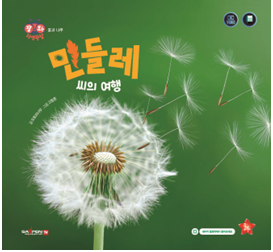
When a fluffy dandelion puff is blown, its seeds travel far on the wind. The story follows a dandelion seed as it moves to a new place and grows into another flower.
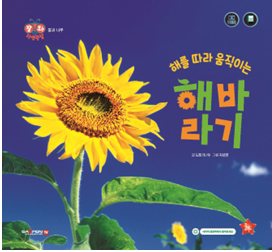
Tall sunflowers, shaped like the sun, move to receive more sunlight. How do they follow the sun? Is a sunflower really one large flower? This book reveals the secrets of sunflowers.
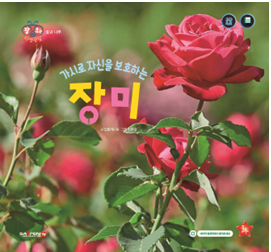
Roses are colorful and fragrant, so many insects visit them. But not every insect helps a rose. How do roses protect themselves from insects that suck their sap or chew their leaves?
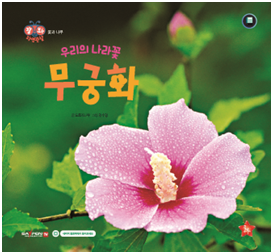
Did you know that the rose of Sharon opens new blossoms every dawn? The flower you see today is not the same one you saw yesterday. This title follows the rose of Sharon, which blooms anew each day throughout summer.
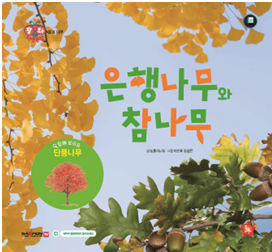
A tree that bears ginkgo nuts is called a ginkgo tree. What do we call a tree that bears acorns? An oak tree. This book follows the growth of ginkgo and oak trees, familiar signs of autumn.