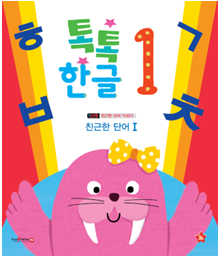
Familiar Words 1
Young readers learn familiar Korean words related to fruit, nature, food, vehicles, land animals, family, and the body.
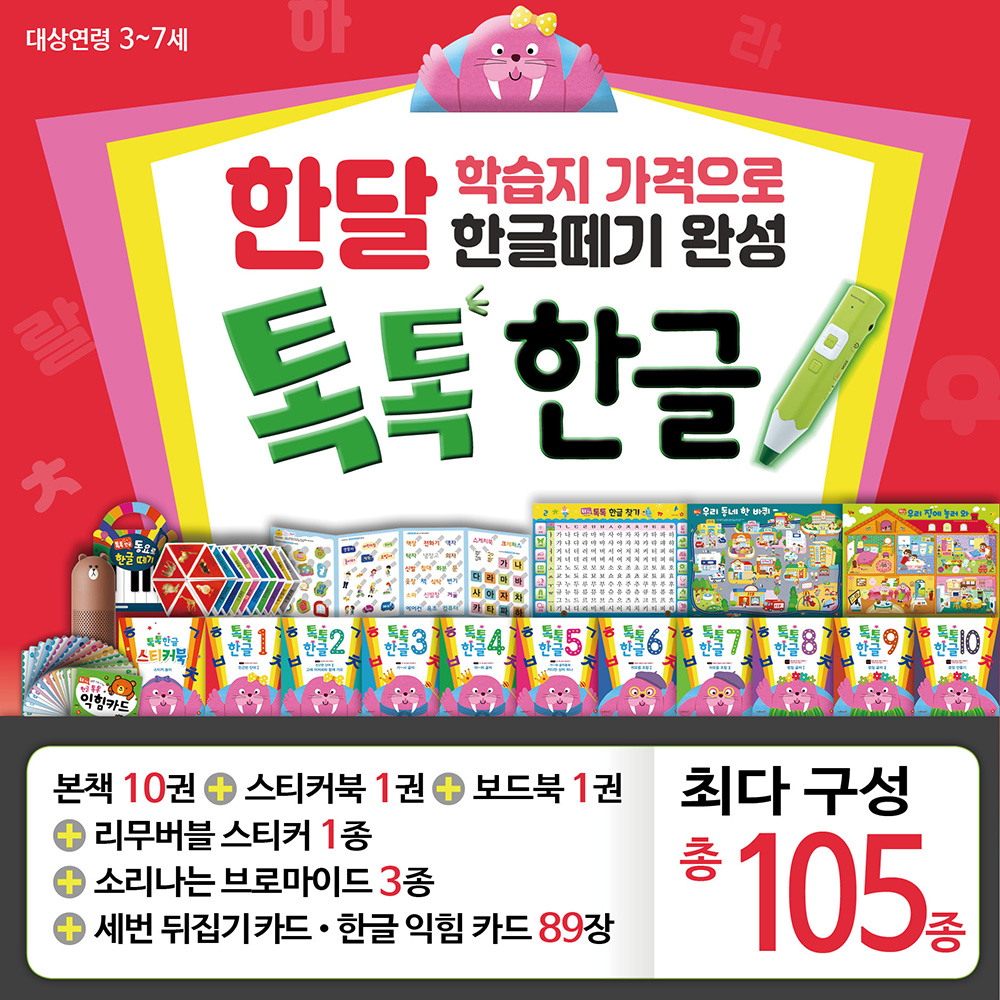
Language Learning
An early Hangul phonics program that helps children understand the sound principles of the Korean alphabet and progress from vowels and consonants to words and sentences. Stories, songs, workbooks, stickers, and cards support repeated practice.
Step 3
Review the books in this series and open available sample previews.
Young readers learn familiar Korean words related to fruit, nature, food, vehicles, land animals, family, and the body.
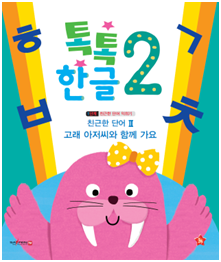
Young readers learn familiar Korean words related to sea animals, personal belongings, bathroom items, clothing, vegetables, toys, colors, and other everyday themes.
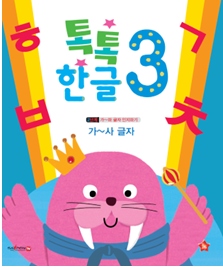
Young readers learn the sounds and shapes of Hangul syllables from ga to sa.
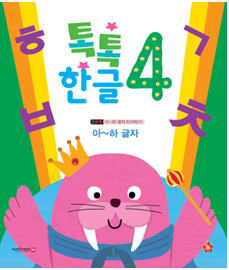
Young readers learn the sounds and shapes of Hangul syllables from a to ha.
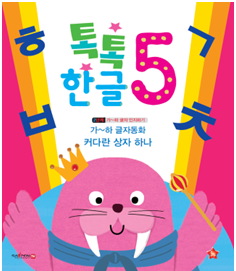
Through an engaging story, children review Hangul syllables from ga to ha.
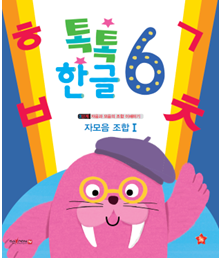
Young readers learn Korean vowel sounds such as a, ya, eo, yeo, o, and yo, and understand how consonants and vowels combine.
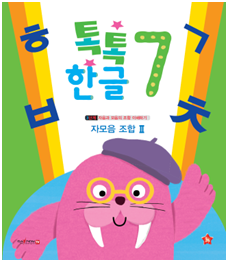
Young readers learn Korean vowel sounds such as u, yu, eu, i, ae, and e, and continue practicing consonant-vowel combinations.
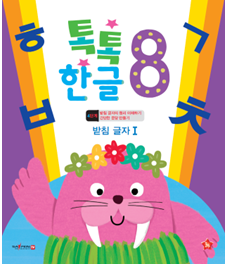
Young readers learn how final consonants work in Hangul and practice the final consonant letters ㅇ, ㄴ, ㄹ, and ㅁ, including the sounds ng, n, l, and m.
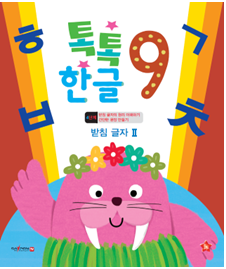
Young readers learn the sounds and principles of final consonants and practice final Hangul letters including bieup, pieup, giyeok, ssanggiyeok, siot, ssangsiot, jieut, chieut, digeut, tieut, and hieut.
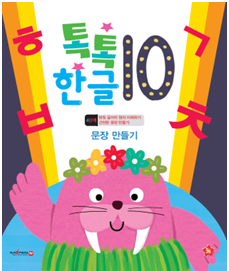
Young readers learn to make simple Korean sentences using verbs, adjectives, particles, double-consonant words, and opposites.